風蕭蕭_Frank
以文會友



馬克·卡尼與世界人口最多的國家達成貿易協議的最後期限已至
作者:戈爾迪·海德,2026年3月3日,發表於《多倫多星報》
Mark_Carney_to_India.JPG
周四,加拿大總理馬克·卡尼和夫人戴安娜·福克斯·卡尼登上飛往印度的飛機。戈爾迪·海德撰文指出,加拿大必須盡快與印度達成雙邊貿易協議,才能趕上已經簽署各自協議的美國、英國和歐盟。
阿德裏安·懷爾德/加拿大通訊社
如果加拿大總理馬克·卡尼真心想要實現加拿大市場多元化,那麽他此次訪印貿易訪問至關重要。
印度是世界上人口最多的國家,也是增長最快的大型經濟體,蘊藏著巨大的機遇,但加拿大必須迅速行動。
因此,下周,一群加拿大商界領袖將隨總理訪問印度,以支持加強兩國貿易和投資的努力。
此次訪問正值關鍵時刻,全球貿易在亞太地區乃至全球地緣政治格局變化的背景下持續演變。
印度已經是加拿大重要的經濟夥伴,數十年來,多家加拿大公司在印度成功開展了投資、出口和業務活動。
重要的是,印度同樣渴望改善與加拿大的雙邊經濟關係,以實現經濟多元化並降低經濟不確定性。印度需要加拿大的關鍵資源,包括各種形式的能源,以及新的資本投資,以支持其迅速壯大的中產階級。
卡尼總理去年邀請印度總理納倫德拉·莫迪出席七國集團峰會,開啟了加印關係的重啟進程,功不可沒。這一積極主動的舉措啟動了一係列事件,包括任命高級專員,從而有助於修複受損的外交關係。
此後,雙方保持了高層互動,其中至關重要的是,加拿大外交部長阿妮塔·阿南德去年秋季訪問加拿大。訪問期間,她與印度外長蘇傑生共同製定了一項雄心勃勃的加印關係發展計劃。這項新的路線圖明確強調加強經貿聯係。
這促成了重啟《加印全麵經濟夥伴關係協定》(CEPA)談判的決定,該協定將為建立更加雄心勃勃、穩定和全麵的經濟關係奠定基礎。兩國商界領袖都對這一關鍵進展表示讚賞。
就加拿大而言,我們應該以明確的目標參與談判,即涵蓋貿易和投資,並達成一項高質量的協議,以支持加拿大未來多年的經濟增長,而不是像特魯多政府之前所推行的那種目標較低、進展緩慢的早期貿易協定模式。
我們應該以緊迫感和開放的心態尋求達成一項全麵的協議。盡管印度曆史上可能奉行保護主義,但其世界觀已發生巨大轉變。加拿大曾經尋求先發優勢,而現在我們卻成了最後幾個尋求達成協議的國家之一。
澳大利亞、英國、歐盟甚至美國都已與印度完成了各自的貿易協議。歐盟和美國的談判規模更大、更為複雜,因此我們沒有理由不能為加拿大人爭取到更好的協議。但是,時間至關重要。
正如印度駐加拿大高級專員迪內什·帕特奈克所說,我們有充分的理由相信,我們可以在一年內達成協議。我們相信,在2026年底之前就能實現。一份快速、高質量的協議將有助於保持發展勢頭,並與莫迪總理和卡尼總理提出的雄心勃勃的目標相契合。這將提升兩國的經濟主權。
與印度建立更緊密的貿易關係的競爭異常激烈。幾乎每周都有重要的外國代表團訪問印度。加拿大有很多優勢,但我們需要確保自身處於有利地位,能夠與來自世界各地的公司競爭。貿易談判可能由政府主導,但真正使其發揮作用的是企業。
在即將到來的訪問期間,加拿大商業理事會和印度工業聯合會將重啟加印首席執行官論壇。兩國的高級商業領袖將有機會分享各自行業如何在塑造和發展這一關鍵的經濟夥伴關係中發揮建設性作用。
加拿大和印度此前也曾走過這條路。
加拿大總理斯蒂芬·哈珀十五年前首次啟動了與印度的自由貿易談判。五年後,哈珀和
莫迪總理曾承諾在幾個月內完成協議,但他們失敗了。
這次必須有所不同。這一次,加拿大和印度必須完成這項任務。
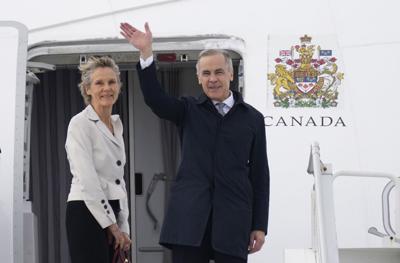
Prime Minister Mark Carney and wife Diana Fox Carney board a plane en route to India on Thursday. Canada must quickly secure a bilateral trade deal with India, writes Goldy Hyder, to catch up with the U.S., U.K. and the EU that have already inked their own deals.
If Prime Minister Mark Carney is serious about diversifying Canada’s markets, a lot is riding on his trade mission to India.
There is tremendous opportunity in the world’s most populous country and the fastest-growing large economy, but Canada must act fast.
That’s why a group of Canadian business leaders will travel with the PM to India through next week to support efforts to strengthen trade and investment between our two countries.
The visit comes at a critical time as global trading continues to evolve amid geopolitical shifts both across the Asia-Pacific and around the world.
India is already a significant economic partner for Canada, with several Canadian companies having successfully invested, exported, or done business there for decades.
Importantly, India is equally keen to improve bilateral economic ties with Canada as it seeks to diversify and mitigate economic uncertainty. India needs Canada’s critical resources, including all forms of energy, as well as new capital investment to support its exponentially expanding middle class.
Prime Minister Carney deserves credit for initiating the reset of this relationship when he invited Indian Prime Minister Narendra Modi to attend the G7 Summit last year. This proactive outreach kick-started a series of events, including the appointment of high commissioners which helped restore damaged diplomatic ties.
There has been high-level engagement since, including, critically, Foreign Affairs Minister Anita Anand’s visit last fall, during which she and her Indian counterpart, Minister Subrahmanyam Jaishankar, laid out an ambitious plan for the Canada-India relationship. This new road map had a clear emphasis on enhancing commercial ties.
This led to the decision to relaunch Canada-India Comprehensive Economic Partnership Agreement (CEPA) negotiations, which would lay the foundation for a much more ambitious, stable and comprehensive economic relationship. Business leaders from both countries have applauded this crucial development.
For our part, Canada should approach these negotiations with a clear goal of including both trade and investment, and to conclude a single high-quality deal that will support Canada’s economic growth for years, rather than the less ambitious and incremental early progress trade agreement model which had been pursued by the Trudeau government.
We should pursue a comprehensive deal with a sense of urgency and an open mind. Though India may have historically been protectionist, its world view has shifted dramatically. Where Canada once sought early-mover advantage, we are now one of the last countries looking to secure a deal.
Australia, the United Kingdom, the European Union and even the United States have now all finalized their own trade deals with India. Where the EU and U.S. represented much larger and far more complex negotiations, there is no reason we cannot achieve an even better deal for Canadians. But, again, time is of the essence.
As India’s High Commissioner to Canada Dinesh Patnaik has said, there is ample reason to believe we can secure a deal within a year. We believe it can be done before the end of 2026. A quick, high-quality deal will help sustain momentum and match the ambitious approach set out by Prime Ministers Modi and Carney. It will improve economic sovereignty for both countries.
Competition for closer trade ties with India is fierce. Rarely a week goes by that India is not hosting a significant foreign delegation. Canada has a lot to offer, but we need to ensure we that well positioned to compete with companies from all around the world. Trade talks may be led by governments, but they are brought to life by businesses.
During this upcoming visit the Business Council of Canada and Confederation of Indian Industry will restart the Canada-India CEO Forum. Senior business leaders from each country will have an opportunity to share how their sectors can play a constructive role in shaping and growing this critical economic partnership.
Canada and India have been down this road before.
Prime Minister Stephen Harper first launched free trade negotiations with India more than fifteen years ago. Five years later, Harper and Prime Minister Modi pledged to complete a deal within months. They failed.
This time must be different. This time Canada and India must finish the job.