



Judicial Missiles
By: Giorgio Provinciali
Live from Ukraine ????????
Khoroshe Demonstrating the undisputed prowess of its engineering sector, over the past two years Ukraine has achievedthe fastest development of strategic weapons since the Cold War. The latest electronic warfare (EW) systems, turbojet and micro-turbojet engines, attack drones with ranges exceeding 1,000 km, and other ballistic, anti-ship, and cruise missiles are all made in Ukraine.
At the latest meeting on the development of the capabilities of the Ukrainian Armed Forces, it emerged that from September to November,Ukraine shot down approximately 100 Russian KAB glide bombs equipped with new rocket engines, providing valuable feedback to its allies.
Designed before the war, theHRIM-2 tactical ballistic missilehas been integrated and industrialized through efforts by consortia including Fire Point, the Pavlohrad Institute, and other Ukrainian companies.
Reengineered after Russian sabotage of the solid-propellant lines between 2019 and 2021, that project is the basis for variants like theHRIM-3, which has a range of 700 800 km (vs. 350 500 km): Ukraines response to the Russian Iskander and American restrictions on the use of ATACMS et similia.
Then there are the so-calledshort-range micro-ballistic missiles with a depressed profile, hard to intercept and capable of being mounted on mobile platforms.
Finally, to mention just the most recent cost-effective projects compatible with decentralized production that Fire Point helped standardize in 20242025, there are theFlamingomissiles. Which exist and indeed strike on Russian soil.Fire Point has become the symbol of this technological renaissance: a mixed cluster (private + military engineers) that in 18 months has produced solutions that triple Kyivs offensive capabilities at strategic depth.
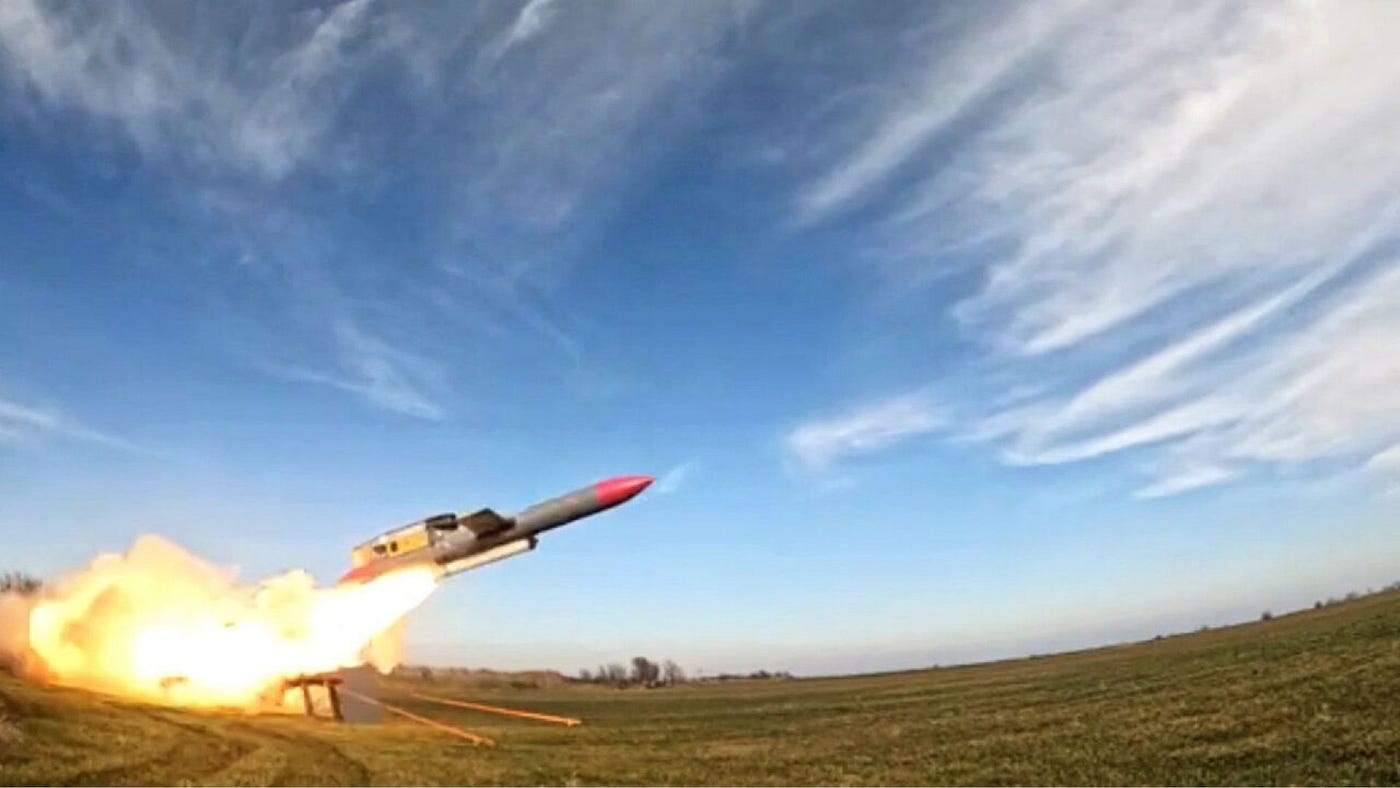
Ukraines extensive drone and missile network is the main target of a covert conflict run by Moscow and its allies on two parallel fronts: attacking production facilities and engineers from the outside with missiles and drones; and internally undermining, infiltrating, or sabotaging top leadership through fabricated scandals, judicial pressure, influence campaigns, and undercover operatives.
A recent Russian attack in Vishhorod just hours ago led to the death of a Ukrainian Fire Point engineer connected to the Flamingo project. To eliminate him, the Russians carried out a precision strike on his apartment, injuring about twenty other civilians. This is not an isolated incident, as over the past two years, Moscow has pursued Ukrainian aerospace engineers, UAV technicians, microturbine designers, and electronics researchers.
The goal is to slow down the growth of Ukrainian industry, which, despite everything, is expanding rapidly: suffice it to say that domestic drone production increased more than 500 times from 2022 to 2025.
This context also includes the judicial siege that views anti-corruption bodies like NABU and SAP as tools for internal instability.In our last article, we highlighted a few of the most high-profile investigations that led to the arrest of Russian informants, spies, and collaborators who infiltrated NABUs elite D-2 unit (Ruslan Mahamedralusov and Viktor Husanov among them), demonstrating how it operates within a Western conditionality framework: through SAP, it receives American and European technical and financial support and shares evidence and classified material with the FBI. Other analysts have confirmed that a permanent FBI representative works within NABU, with his own office.
The recent searches of NABU and SAP in the offices of the resigned Presidential Cabinet Chief (OPU) Andriy Yermak are consistent with this dynamic.
Fire Point is not just a private company; it is a strategic cluster within the Defense Tech Forces technological forces launched under President Zelenskys direct initiative and coordinated by his Office through the Ministry of Strategic Industries, The Center for Defense Innovations, the BRAVE 1 Platform, and the Presidential Office for Critical Technologies.
All these structures responded politically to Andriy Yermak because he was the head of the OPU.
Yermak did not determine the technical details, but he set priorities, access, flows, political protection, and security.
Without the OPU, Fire Point could not operate with speed, secrecy, and freedom of development.
Fire Point is testing new systems with unprecedented ranges, has launched an independent ballistic missile program, and produces micro-turbojets that reduce reliance on foreign components. Emboldened by the political shift in Washington, Moscow is intensifying its deep-sabotage efforts.
Over the past two years, Yermak has: established that Ukraine must produce missiles, drones, engines, and electronic warfare systems domestically; unblocked legal exemptions that reduced the authorization cycle for new weapons from 18 to 3 months; created confidential links between private manufacturers and military testing units; and authorized special procurement programs without public tenders, which is essential given the sectors volatility.
In other words:Fire Point exists because the political framework built by Yermak made it possible.
For different reasons, neither Moscow nor Washington likes this.
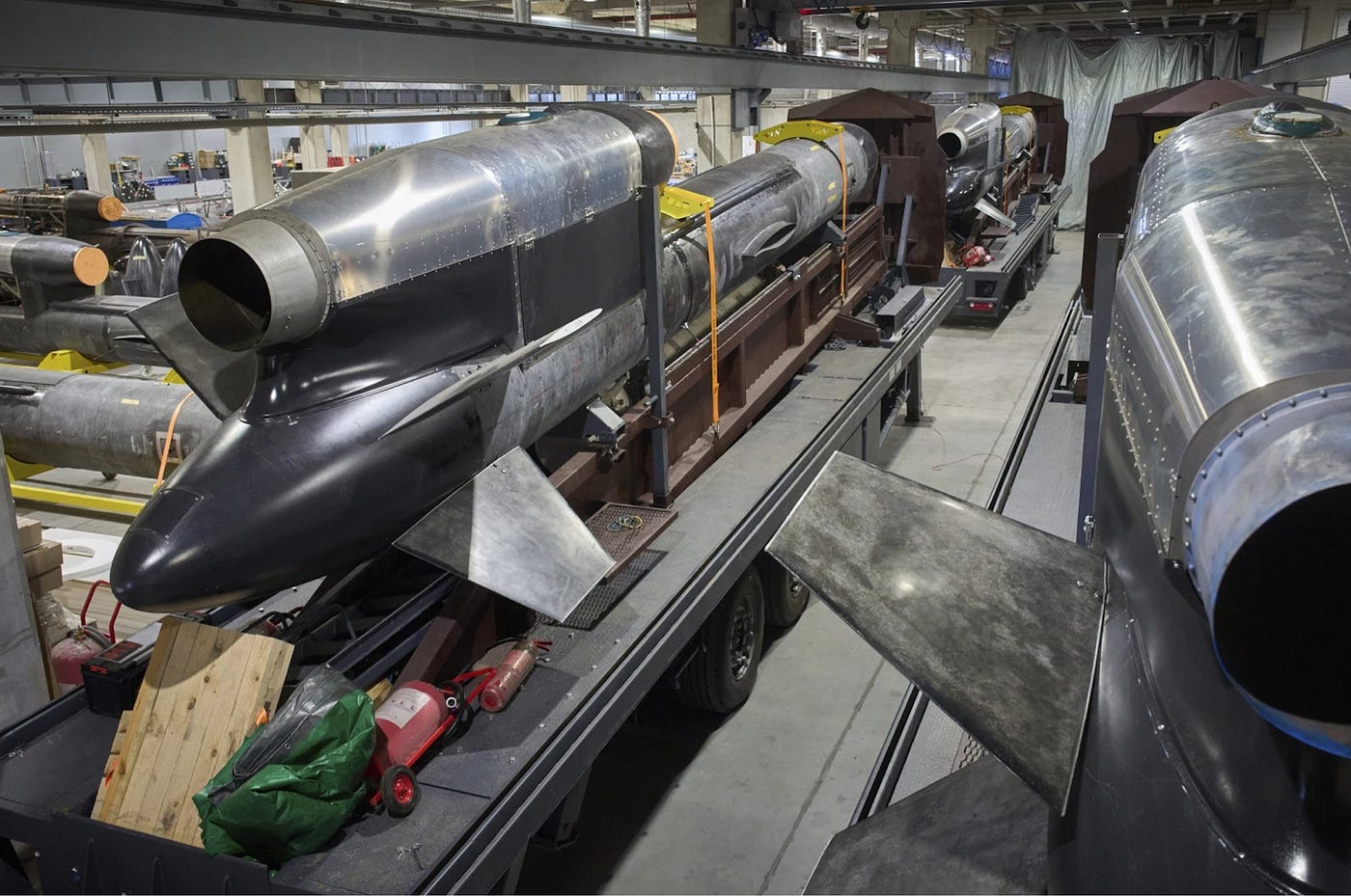
Whenever Fire Point makes a significant advance, a NABU investigation begins; whenever the HUR tests a new launcher, a leak emerges; every time Ukraine shows independence, a judicial raid is triggered.
Its an easily documentable pattern.
As Ukrainian journalist Anna Kaliuzhna hasemphasized,anti-corruption investigations must in no way halt the production and development of defense companies that produce weapons capable of striking at strategic distances.For the first time in history, Ukraine has achieved decisive strategic results by bypassing the American policeman with self-produced vehicles.
As occurred in 1994, when it was compelled to give up the worlds third-largest nuclear deterrent, and in 2022, when, during a victorious counteroffensive, it was denied crucial support, enabling the enemy to entrench itself behind the Surovikin Lines,today Ukraine is a nuisance. Both to Washington and Moscow. Which prevents it from playing any winning cards.

THANKS TO ALL WHO BACK US IN THESE HARD TIMES
感謝所有在這段艱難時期支持我們的人
????????幫我們購買無人機探測器????????????
在過去的三年裏,作為自由撰稿人,我們一直在烏克蘭戰爭的所有前線進行報道,自從大規模
https://www.paypal.com/pools/c/9kcYJAqQqQ
司法導彈
作者:Giorgio Provinciali
烏克蘭前線報道????????
霍羅舍-在展示其工程部門無可爭議的實力方麵,烏克蘭在過去兩年中實現了自冷戰以來戰略武器的快速發展。最新的電子戰(EW)係統、渦噴和微渦噴發動機、射程超過1000公裏的攻擊無人機,以及其他彈道導彈、反艦導彈和巡航導彈均由烏克蘭製造。
在最近一次關於烏克蘭武裝部隊能力發展會議上,透露出從9月至11月,烏克蘭擊落了大約100枚裝有新型火箭發動機的俄羅斯KAB滑翔炸彈,為烏盟友們提供了寶貴的反饋。
戰前設計的HRIM-2戰術彈道導彈,通過包括火點、帕夫洛赫拉德研究所和其他烏克蘭公司在內的聯盟的努力,完成了整合和工業化。
在2019年至2021年俄羅斯破壞固體推進劑生產線後進行重新研發的該項目,成為了HRIM-3等變體的基礎,其射程為700至800公裏(相比之前為350至500公裏):這是烏克蘭對俄羅斯伊斯坎德爾導彈以及美國對ATACMS等武器使用限製的回應。
還有所謂的短程微型彈道導彈,具有俯衝軌跡,難以攔截,並且可以安裝在移動平台上。
最後,僅提及火點在2024年至2025年幫助標準化的最新經濟高效、適應去中心化生產的項目,即是弗拉明戈導彈。這些導彈已投入使用,並能夠打擊俄羅斯境內。火點已成為這種技術複興的象征:一個由民間與軍方工程師組成的混合團隊,在18個月內開發出解決方案,使基輔的戰略縱深方麵的攻勢能力提高了三倍。
(圖:一枚正在發射的弗拉明戈導彈圖片來源:經濟學人)
烏克蘭廣泛的無人機和導彈網絡是莫斯科及其盟友在兩個平行戰線上進行的隱秘衝突的主要目標:一方麵通過導彈和無人機從外部攻擊生產設施和工程師;另一方麵通過虛構醜聞、司法壓力、宣傳戰和潛伏特工行動,從內部削弱、滲透或破壞高層領導。
就在幾個小時前,俄羅斯在維希霍羅德的襲擊導致一名與弗拉明戈項目相關的烏克蘭火點工程師遇難。為了消滅他,俄軍對他的公寓進行了精確打擊,導致大約20名其他平民受傷。這並非孤立事件,在過去兩年中,莫斯科一直追捕烏克蘭航空航天工程師、無人機技術人員、微渦輪設計師和電子研究人員。
其目標是減緩烏克蘭工業的增長,盡管如此,該工業仍在迅速擴展:僅舉一例,從2022到2025年,國內無人機的生產增加了超過500倍。
這個背景下還包括司法圍剿,將反腐機構如國家反腐敗局(NABU)和特別反腐局(SAP)視為製造內部不穩定的工具。在我們上一篇文章中,我們指出了一些頗具影響力的調查,這些調查導致俄羅斯線人、間諜和滲透到NABU精英D-2小組的叛徒的被捕(包括魯斯蘭馬哈梅德拉蘇夫和維克托胡薩諾夫),展示了該機構如何在西方條件框架內的運作:通過SAP,它獲得美國和歐洲的技術與財政支持,並與FBI共享證據和機密材料。其他分析人士證實,FBI在NABU內設有常駐代表,並擁有自己辦公室。
最近NABU和SAP對辭職的總統辦公廳主任安德烈葉爾馬克辦公室進行的搜查與這一動態相一致。
火點不僅是一家私營公司;它還是國防科技部隊內的一個戰略集群是在澤連斯基總統的直接倡議下啟動的技術力量,由他的辦公室通過戰略工業部、國防創新中心、BRAVE 1平台和關鍵技術總統辦公室協調。
所有這些結構在政治上由安德烈葉爾馬克負責,因為他是總統辦公室的負責人。
葉爾馬克並未決定技術細節,但他設定了優先事項、渠道、流程、政治保護和安全。
沒有總統辦公室,火點無法以迅速、保密和自由發展的方式運作。
火點正在測試具有前所未有射程的新係統,已經啟動了獨立的彈道導彈項目,並生產出對外國組件依賴性減少的微渦噴發動機。在華盛頓政治局勢變化的鼓舞下,莫斯科正在加大其對烏深度破壞的努力。
在過去兩年中,葉爾馬克已做到以下幾點:實現了烏克蘭必須在國內生產導彈、無人機、發動機和電子戰係統的目標;解封法律豁免,將新武器的授權周期從18個月縮短到3個月;創建立私人製造商與軍事測試單位之間的機密聯係;並在沒有公開招標的情況下授權特殊采購項目,這在該行業波動性較大的情況下尤為重要。
換句話說:火點的存在是因為葉爾馬克所建立的政治框架使其成為可能。
出於不同的原因,莫斯科和華盛頓都不喜歡這一點。
(圖:一枚弗拉明戈導彈圖片來源:Liga.net)
每當火點取得重大進展時,NABU便會展開調查;每當HUR測試新發射器時,泄密事件便會出現;每當烏克蘭展現獨立性時,司法突襲便會被觸發。
這是一種容易被記錄的模式。
正如烏克蘭記者安娜卡柳茲娜所強調的,反腐敗調查絕不能阻礙防務公司生產能夠在戰略距離內打擊的武器的生產和發展。曆史上第一次,烏克蘭首次通過自主生產的裝備,繞過美國的監管,取得了決定性的戰略成果。
正如1994年發生的情況,當時烏克蘭被迫放棄世界第三大核威懾力量,以及2022年在一次勝利反攻期間未能獲得關鍵支持,使敵人能夠在蘇羅維金防線後鞏固其陣地,如今的烏克蘭對華盛頓和莫斯科都是一個麻煩。這妨礙了烏克蘭打出任何決勝的牌。
(圖:我在霍羅舍,在寫這篇文章前片刻。烏克蘭頓涅茨克州????????版權所有,Giorgio Provinciali)