



Ukraines Anti-Drone Edge: Why Kyivs Air Defense Model Outclasses Americas in a Saturation War
By: Giorgio Provinciali
Live from Ukraine ????????
Chernivtsi Between drones that have been operationally-tactically neutralized and those destroyed in depots (not just Shahed/Geran-type ones),Ukraine struck more drones in a single day on Saturday than the US and Israel managed to do in the entire war they ignited in the Middle East: 2,558. This also sets an all-time daily record for the war Russia unleashed in Ukraine, proving thatKyivs defenses are by far the most well-structured and economically sustainable against such threats. This stands out even more when compared to the Middle East, where accordingto President Zelensky over 800 PAC-3 MSE interceptors for Patriot systems were fired in the first three days of the US-Israeli operation against Iran: which is more than Ukraine had available for the entire war.
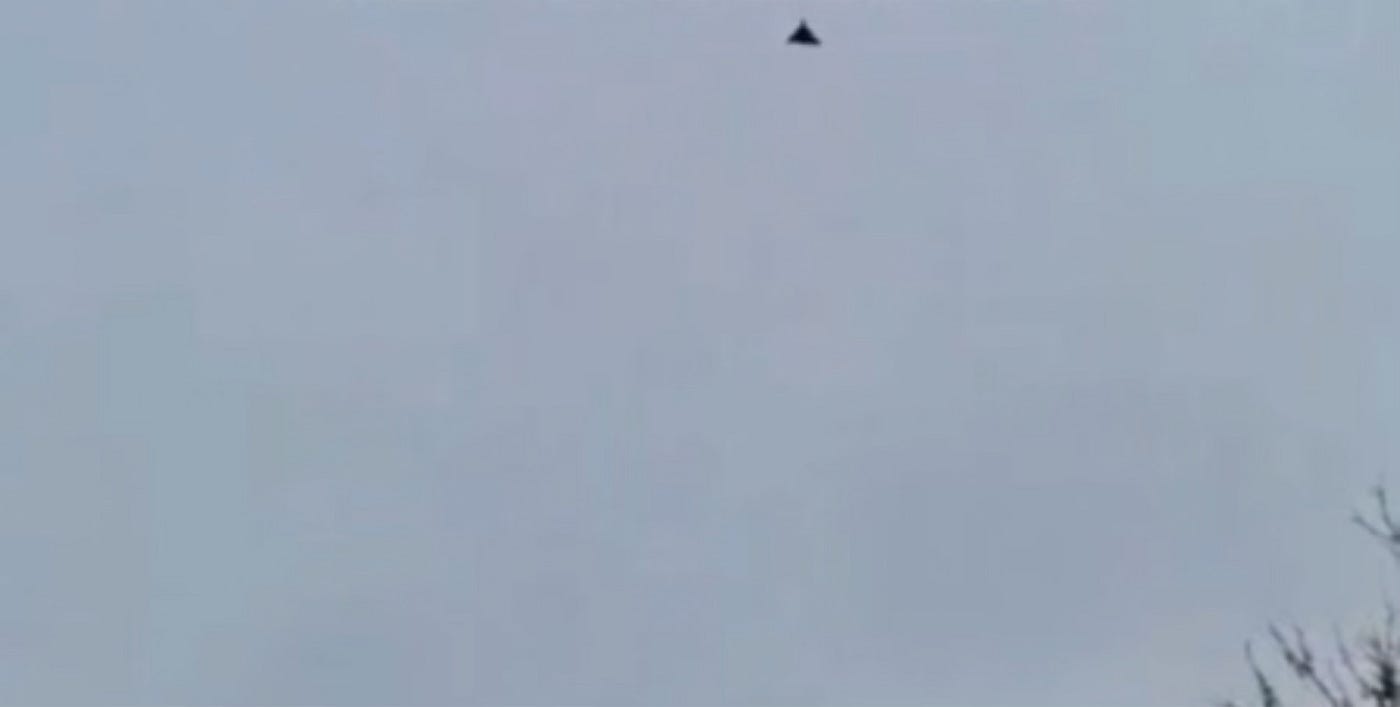
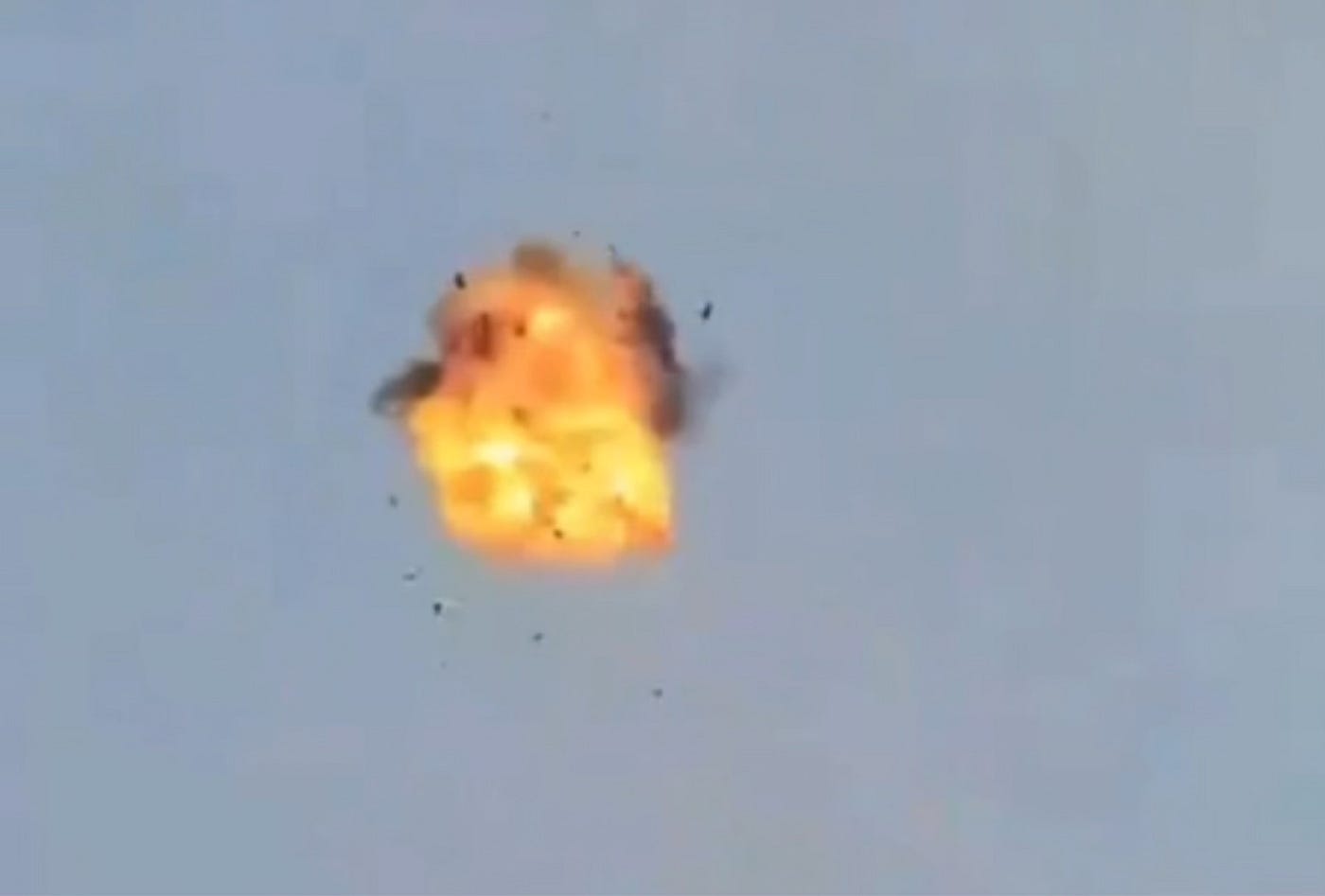
In the first ten days of the US-Israeli operation, Iran launched over 2,000 vectors, with more than half being drones. Despite the White House leadersboastthat American reserves have never been more abundant, even Lockheed Martintriplingthe output, the US currentlyproducesonly 50 PAC-3 MSE units per month, which remains insufficient to meet the demand. Each costs the US over $5 million, and often more than double that price to importing countries. To have a reasonable chance of destroying a ballistic threat, at least two interceptors are needed, but targeting drones may only require one. However, Ukraine has learned the hard way thatRussia and Iran use their drones not only to strike but also to map radar defensesbefore launching missiles like Iskander and Kh-101. For example, a joint Russian-Iranian drone costing around $30,000 managed todamagean AN/TPY-2 radar in Jordan, valued between $500 million and $1 billion, knocking out a key part of the US THAAD network designed to intercept ballistic threats at the edge of space. To counteract this damage,Patriot systems in the Middle East are now consuming even more interceptors.
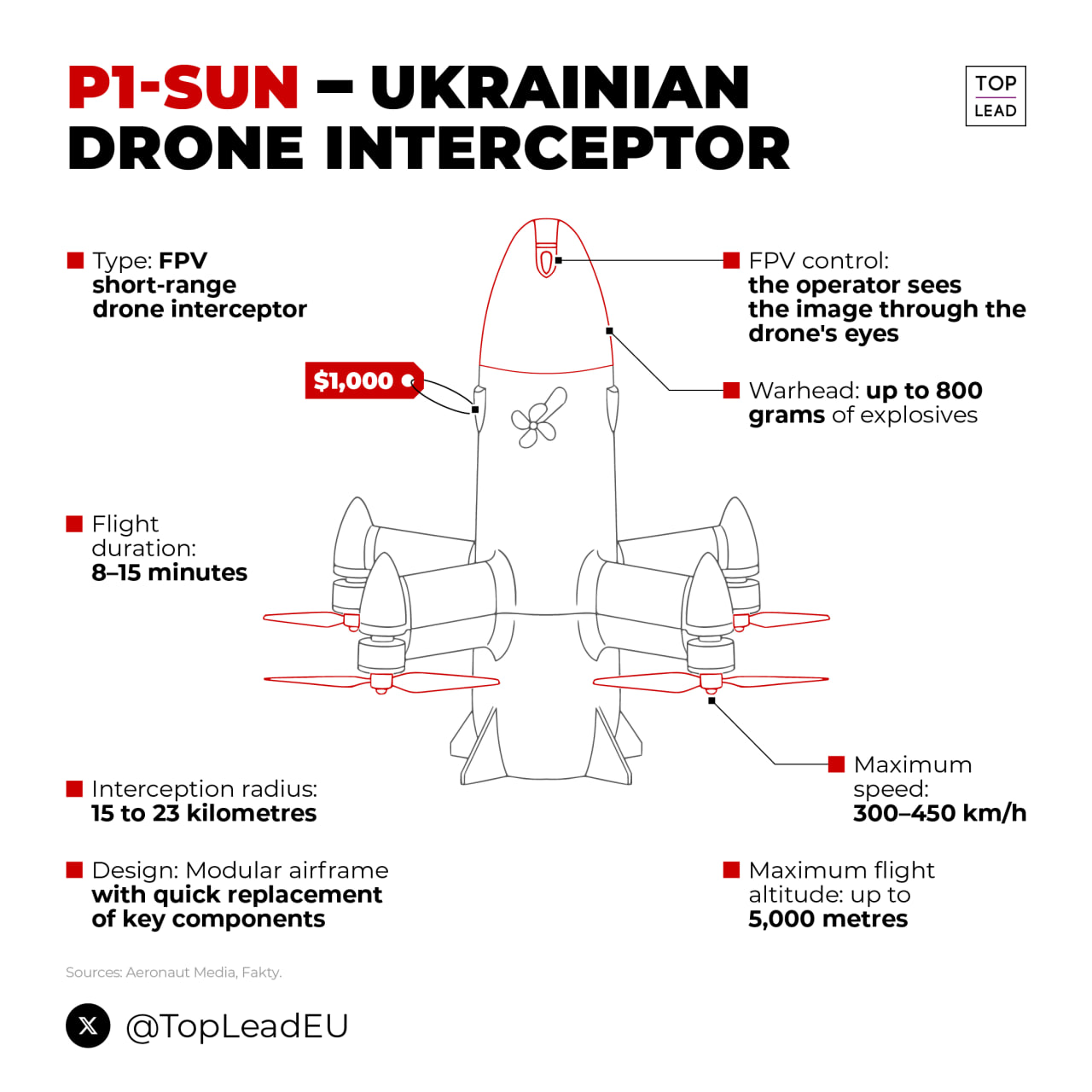
Its not surprising thatcountries in the region and the US are eager for Ukrainian-made anti-drone systemslike the P1SUN.The Ukrainian model is more sustainablefor at least three reasons.
First, it relies ona combination of means, procedures, and industrial adaptation, which significantly reduces interception costs making itat least ten times cheaper to defend than to attack. This economic advantage is reversed and magnified to a terrifying degreein the American model, where attackers spend between 200 and 400 times less.
Second, the Ukrainian approach is based on understanding thatdrones are not just impact weapons but tactical probes:they saturate defenses, identify engagement windows, expose radars and launchers, and wear down the most valuable enemy equipment. Using resources this way, even before the most dangerous threats arrive, immediately compromises radar sites like those supporting the American defense system, such as THAAD.
Third,Ukraines defense network is broader, more distributed, stratified, and territorially adapted. After years of ongoing bombing, Ukraine has built a defense that depends not only on high-end systems like Patriot and SAMP/T but ona dense network of sensors, mobile units, light anti-aircraft weapons, electronic warfare systems, and distributed interceptors all coordinated across territoriesunder real-world pressure.
As Alla Perdei and I have repeatedly described from the field, thislayered approachgreatly narrows penetration routes, increases the likelihood of distributed interception, makes losing a single radar or missile battery less critical, lowers the average cost per kill, and enables the use of diverse means against various threats.
In short, the Ukrainian network is more effective for countering saturation warfare because it is less centralized and more interconnected.
Instead of concentrating on safeguarding only a few key assets with expensive systems,it distributes its defenses across the entire territory, absorbing hits and creating multiple friction points against enemy launchers. For 1,476 days, Ukraine has endured coordinated attacks that now involve approximately five hundred vectors (cruise and ballistic missiles) each night.In such a saturated environment, the American model becomes unsustainable. Even if the US purchased Ukrainian interceptors, it would still need to fundamentally overhaul its entire defense strategy.

For decades, Washington has structured its defenses to protect high-value assets with equally sophisticated and costly systems.
A single week of intense warfare like the one they conducted in the Gulf was enough to show how that model fails when the enemy employs large amounts of inexpensive, expendable, and adaptable vectors.
Therefore,buying Ukrainian drones would help, but not be sufficient. The US should shift from a strategy focused on a few high-value targets which, as with THAAD, can be disabled easily to a more layered, networked, and dense system.
The signs that Washington has recognized this are already evident. The Pentagon hasstartedintegrating the Replicator 2 program, a low-cost interceptor for fighting small UAVs, based on the DroneHunter. However, the review needs to be more comprehensive becauseUkraines advantage isnt just in developing a good interceptor; its in creating an entire ecosystem adapting every part of the chain to industrial attrition warfare.
Kyiv can provide them with a tool; however, the challenge is that Washington will have to rebuild the entire paradigm from scratch.
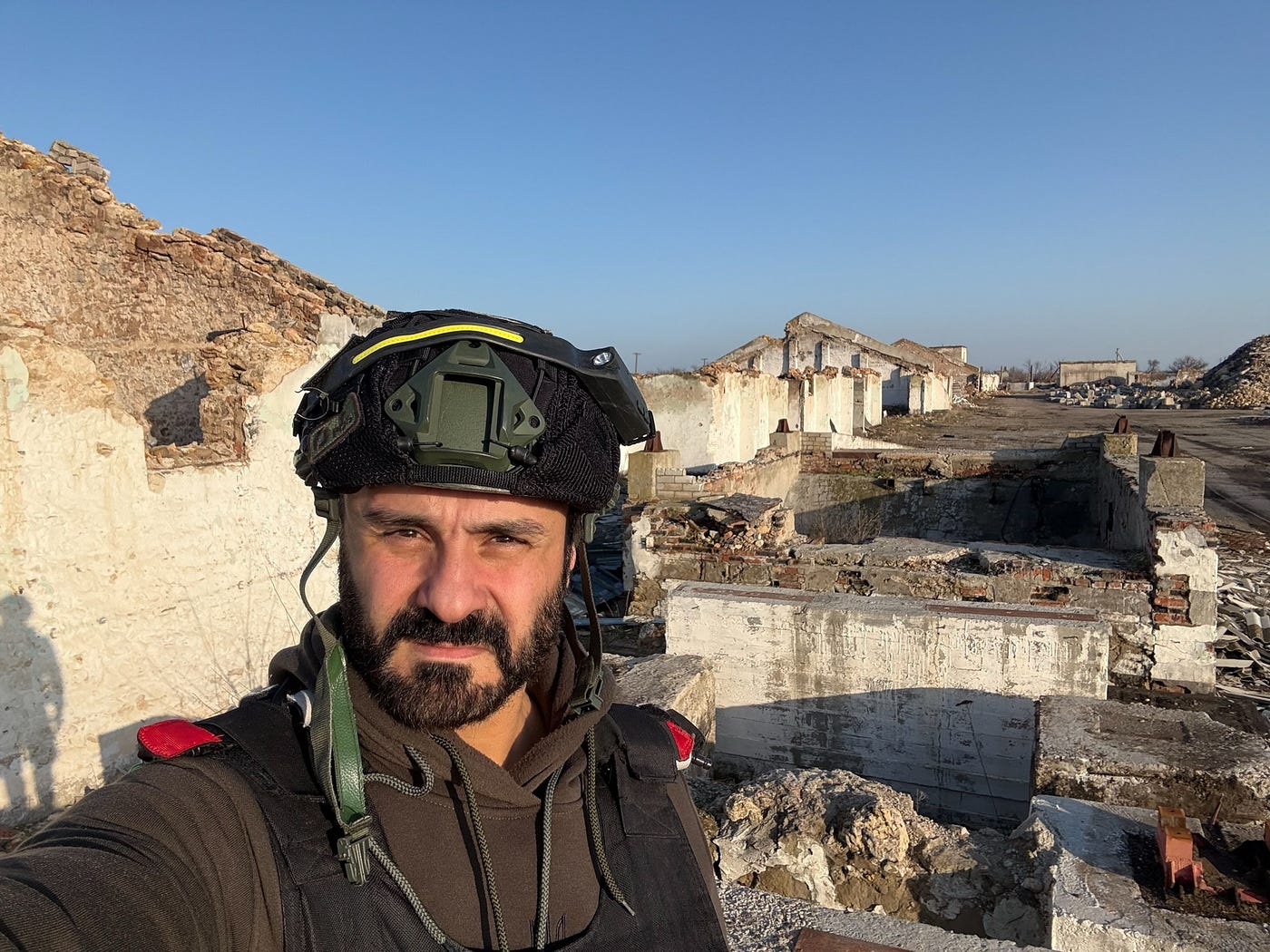
The ongoing blackouts severely damaged our houses heating system in Western Ukraine while we were in the Donbas.
Without electricity, the pump couldnt circulate the liquid while the fire was lit. As a result, the system caught fire, and the whole house was at risk of burning. Fortunately, it did not, but the whole system needs to be changed, and the house needs to be restored. Tubes are all bent, walls are blackened by haze, and the heating system doesnt work, requiring an entirely new system.
We are doing our best since Allas parents live there, but theres still a lot to work on here, too, as the people around us are in no better situation.
Were renewing our fundraising campaign and thanking everyone who joins us in helping us restore what Russia is destroying. Even a small donation helps. Well keep you updated on developments.
Thank you all, dear friends ????????
烏克蘭的反無人機優勢:為什麽基輔的防空模式在飽和式戰爭中遠勝美國
作者:Giorgio Provinciali
翻譯:旺財球球
烏克蘭前線報道????????
切爾尼夫齊在被戰術性地攔截以及在庫房中被摧毀的無人機(不僅僅是沙赫德/格蘭型)之間,烏克蘭周六單日內擊落或摧毀的無人機數量比美國和以色列在他們在中東引發的整場戰爭中擊落的還多:2,558架。這也創下了俄羅斯在烏克蘭發動戰爭以來的單日紀錄,證明基輔方麵在應對此類威脅時擁有迄今最完善、最具成本效益的防禦體係。與中東的情況相比時,這一優勢更為明顯據澤連斯基總統稱,美國-以色列對伊朗行動的前三天內,發射了超過800枚用於愛國者係統的PAC-3 MSE攔截導彈:這一數量超過了烏克蘭整個戰爭期間所擁有的攔截器總數。
(圖:一架遠程俄製無人機飛越烏克蘭村莊)
(圖:被烏克蘭攔截器摧毀的同一架無人機)
在美以行動的頭十天,伊朗發射了超過2000枚載具,其中超過一半是無人機。盡管白宮領導人誇口稱美國儲備量之多前所未有、洛克希德馬丁將產量提高了三倍,但美國當前每月僅生產約50枚PAC-3 MSE攔截器,仍不足以滿足需求。每枚成本超過500萬美元,且對進口國而言價格往往翻倍。要較有把握地摧毀彈道威脅,通常至少需要兩枚攔截器,但對付無人機可能隻需一枚。然而,烏克蘭的慘痛經驗表明,俄羅斯與伊朗使用無人機不僅用於打擊目標,還用於在發射伊斯坎德爾、KH-101等導彈前偵測和繪製雷達防線的分布。例如,一枚造價約3萬美元的俄伊聯合無人機成功損壞了約旦的一座AN/TPY-2雷達,該雷達價值在5億到10億美元之間,導致美國用於在近太空高度攔截彈道威脅的THAAD網絡的關鍵節點癱瘓。為彌補這一損失,中東地區的愛國者係統現在正在消耗更多的攔截彈。
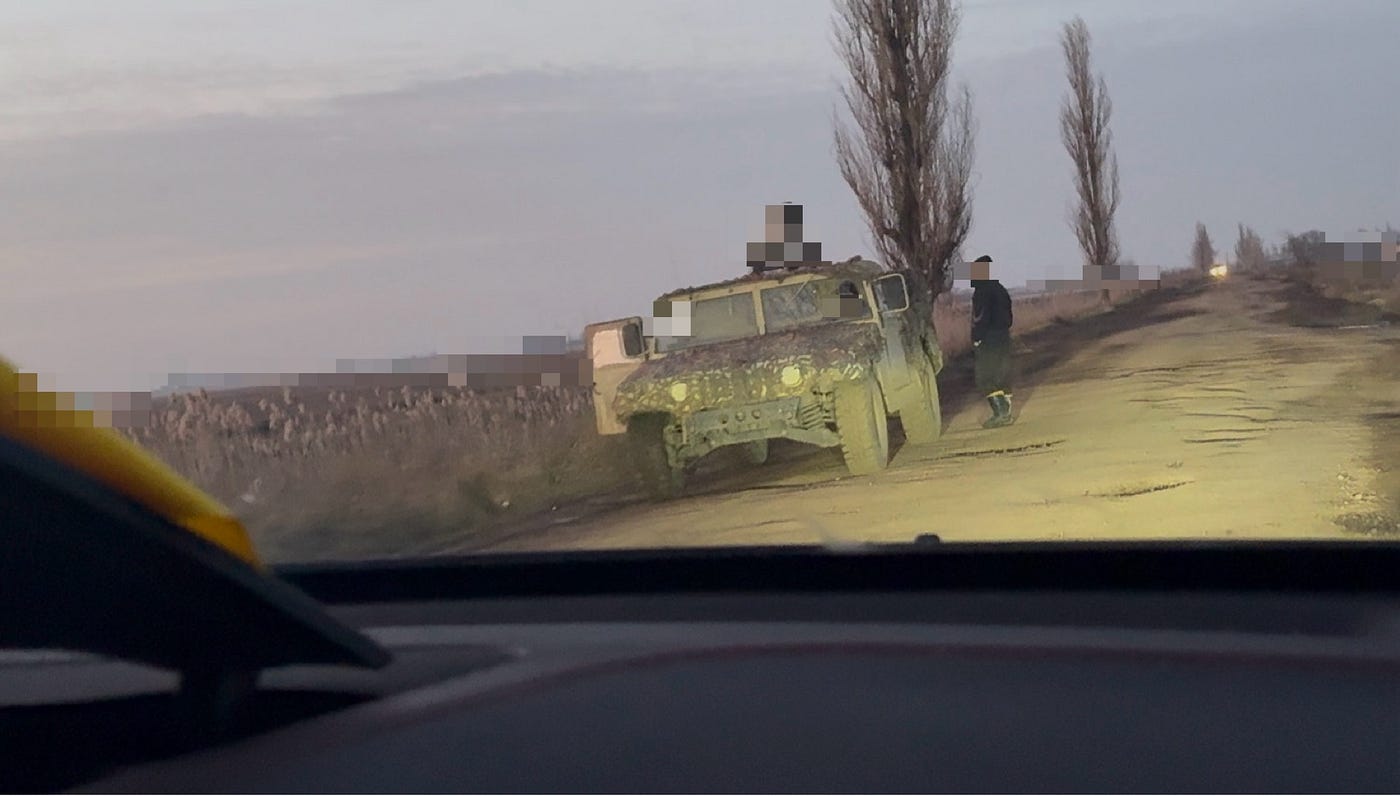
(圖:一些沙赫德殺手在行動版權所有,Giorgio Provinciali)
難怪該地區國家以及美國都急於采購烏克蘭製造的反無人機係統,例如P1SUN。烏克蘭的模式之所以更具持續性,至少有三個原因。
第一,它依賴多種手段、流程與工業適配能力的組合,大幅降低了攔截成本使防禦成本至少比攻擊便宜十倍。這一經濟優勢在美國模式中被顛倒並放大到令人震驚的程度:攻擊方花費比防禦方少200到400倍。
第二,烏克蘭的方案建立在這樣一種認識之上:無人機不僅僅是撞擊武器,還是戰術性探測器:它們會飽和防空係統、識別交戰窗口、暴露雷達及發射裝置位置,並消耗最有價值的敵方裝備。在最危險的威脅尚未抵達之前就以這種方式消耗對手資源,會立即削弱像美國THAAD這樣依賴關鍵雷達站位的防禦體係。
第三,烏克蘭的防禦網絡更加廣泛、分布化、分層化,並且根據不同區域進行了適應性布局。經曆多年持續轟炸之後,烏克蘭建立了一種防禦體係,該體係不僅依賴像愛國者與SAMP/T這樣的高端係統,還依托密集的傳感器網絡、機動單元、輕型防空武器、電子戰係統與分布式攔截器並在長期實戰壓力下實現跨區域協同。
正如我與Alla Perdei多次在前線所描述的,這種分層方法大大縮小了突破路線、提高了分布式攔截的可能性、使單一雷達或導彈陣地的損失不再致命、降低了攔截的平均成本,並能夠針對不同威脅使用多樣化手段。
簡言之,烏克蘭網絡在應對飽和式戰爭時更為有效,因為它更去中心化且互聯性更強。
(圖片來源:TOPLeadEU)
烏克蘭並非集中昂貴係統僅保護少數關鍵資產,而是將防禦分布於整個國土之上,針對敵方發射器削弱攻擊並製造多個阻滯點。烏克蘭已連續1,476天承受協同攻擊,如今每晚大約要麵對五百個載具(巡航導彈與彈道導彈)的襲擊。在如此飽和的環境中,美式防禦模式變得難以為繼。即便美國采購烏克蘭的攔截器,也仍需從根本上改造其整體防禦戰略。
(圖:我在赫爾鬆州一個小村莊拍下這張照片,該地每天都會受到遠程與FPV無人機的襲擊。牌子寫著榮耀歸於英雄版權所有,Giorgio Provinciali)
數十年來,華盛頓一直采用一種防禦模式:用同樣複雜而昂貴的係統來保護高價值目標。
然而,僅僅像他們在海灣地區實施的那樣一周的高強度作戰,就足以表明這種模式的失敗:當敵方使用大量廉價、可消耗且可快速調整的載具發動攻擊時,它根本難以承受。
因此,購買烏克蘭無人機會有所幫助,但遠遠不夠。美國應當從以少數高價值目標為核心的戰略(例如THAAD那樣易於被癱瘓的係統)轉向更加分層化、網絡化和密集化的體係。
華盛頓已開始注意到這一點的跡象已經顯現。五角大樓已開始整合複製者2號項目一種基於DroneHunter、用於抵抗小型無人機的低成本攔截器。然而,審視必須更為全麵,因為烏克蘭的優勢不僅在於開發出一種優良的攔截器,而在於構建整個生態係統將供應鏈的每一環都適配於適應工業消耗戰。
基輔可以為他們提供一種工具;但挑戰在於,華盛頓必須從零開始重建整個防禦範式。
(圖:寫下一篇文章前幾個小時我在烏克蘭赫爾鬆擊殺區????????版權所有,Giorgio Provinciali)
***
持續的停電嚴重損壞了我們在烏克蘭西部的家中的供暖係統,而我們當時就在頓巴斯。
沒有電,點著的爐火無法通過水泵循環熱水。結果,係統起火,整個房子麵臨著燒毀的風險。幸而未被燒毀,但整個係統需要更換,房子也需要修複。管道都是歪的,牆壁被煙霧熏黑,供暖係統無法正常工作,需要徹底更換。
我們正在盡最大努力,因為Alla的父母住在那裏,但這裏還有許多工作要做,周圍的人處境也好不到哪兒去。
我們正在重啟籌款活動,感謝每一位支持我們修複被俄羅斯摧毀一切的朋友。即使是小額捐款也有幫助。我們會及時更新進展。
感謝大家,朋友們。
????????如果你相信我們的工作,請支持我們????????????
在過去的三年裏,我們一直在烏克蘭戰爭的各個前線進行報道
https://www.paypal.com/pools/c/9mFvpzKUrU