



Under Fire From the ZNPP: Nuclear Co-Management and Territorial Referendums as Legal Fictions
By: Giorgio Provinciali
Live from Ukraine ????????
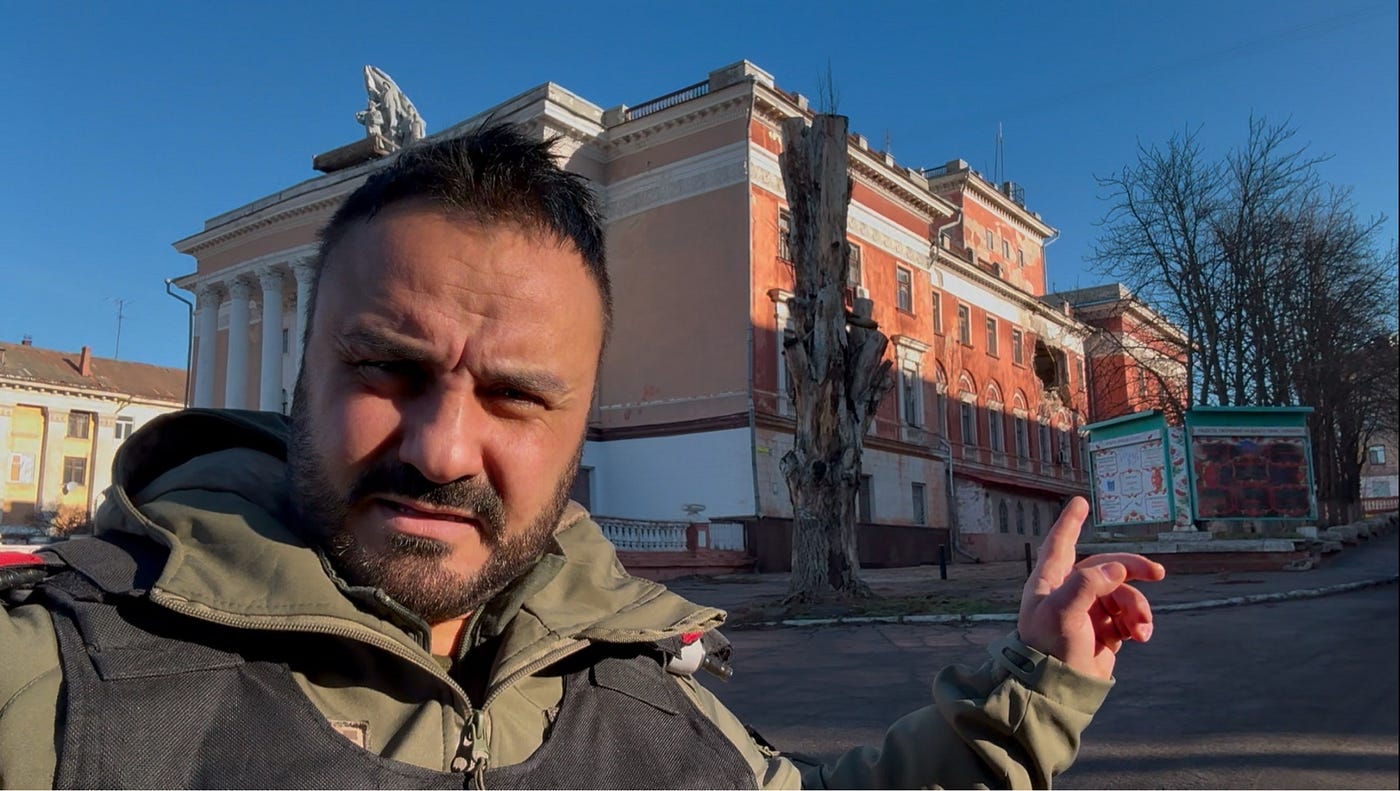
Nikopol From the Zaporizhzhia Nuclear Power Plant (ZNPP) in Enerhodar, which they have illegally occupied since 2022, the Russian Armed Forces continue to target the populations of Nikopol, Marhanets, and dozens of other once-thriving, vibrant cities, now reduced todesolate wastelands. For years, these areas have seenat least one death or serious injury every day, and even leaving home to go shopping has become a nightmare. FPV drones and artillery fire from the ZNPP and surrounding areas are aimed directly at civilians and the housing infrastructure they inhabit, leaving buildings that now appear asghostly structures with blackened, pitted facades.
Speaking with an array of survivors of this macabre Safari,we discussed the ZNPP management planoutlinedin point 12 of the so-called 20-point peace plan and thecommitmentin point 18 to hold elections and even a referendum immediately following the eventual signing of this agreement. We foundboth to be legally inconsistent and politically destabilizing. In short,unenforceable, as we have already noted on these pages with points1,2,5,6, and11.
The United Statesproposestripartite management of the ZNPP, with Washington as the primary manager. Kyivrespondswith fifty-fifty co-management with the US.
Both options are doomed.
Accordingto international law, a nuclear power plant on a states sovereign territory cannot be co-managed by a third country without an explicit, neutral mandate (for example, the IAEA) or a temporary international administration approved by the UN Security Council.
Neither applies here.
Any proposal assigning Washington a managerial role, therefore, violates the principle of territorial sovereignty, creates the dangerous precedent of political administration of a nuclear facility in a war zone, and transforms the NPPZ into a contested geopolitical asset. That isthe opposite of the protected civilian infrastructure needed by the people who live here.
Ukraines counterproposal is no less problematic:ceding nuclear management powers to a third state exposes Kyiv to legal challenges, while Moscow would interpret it as an instrumental internationalization of the conflict, increasing not reducing the risk of escalation.
The only solution compatible with international law remains the withdrawal of the occupying forces, with the restoration of full Ukrainian control and the IAEAs exclusive technical, not political, supervision.
Understandably, those who live here are firmly convinced that any other proposal would be a source of ongoing tensions.
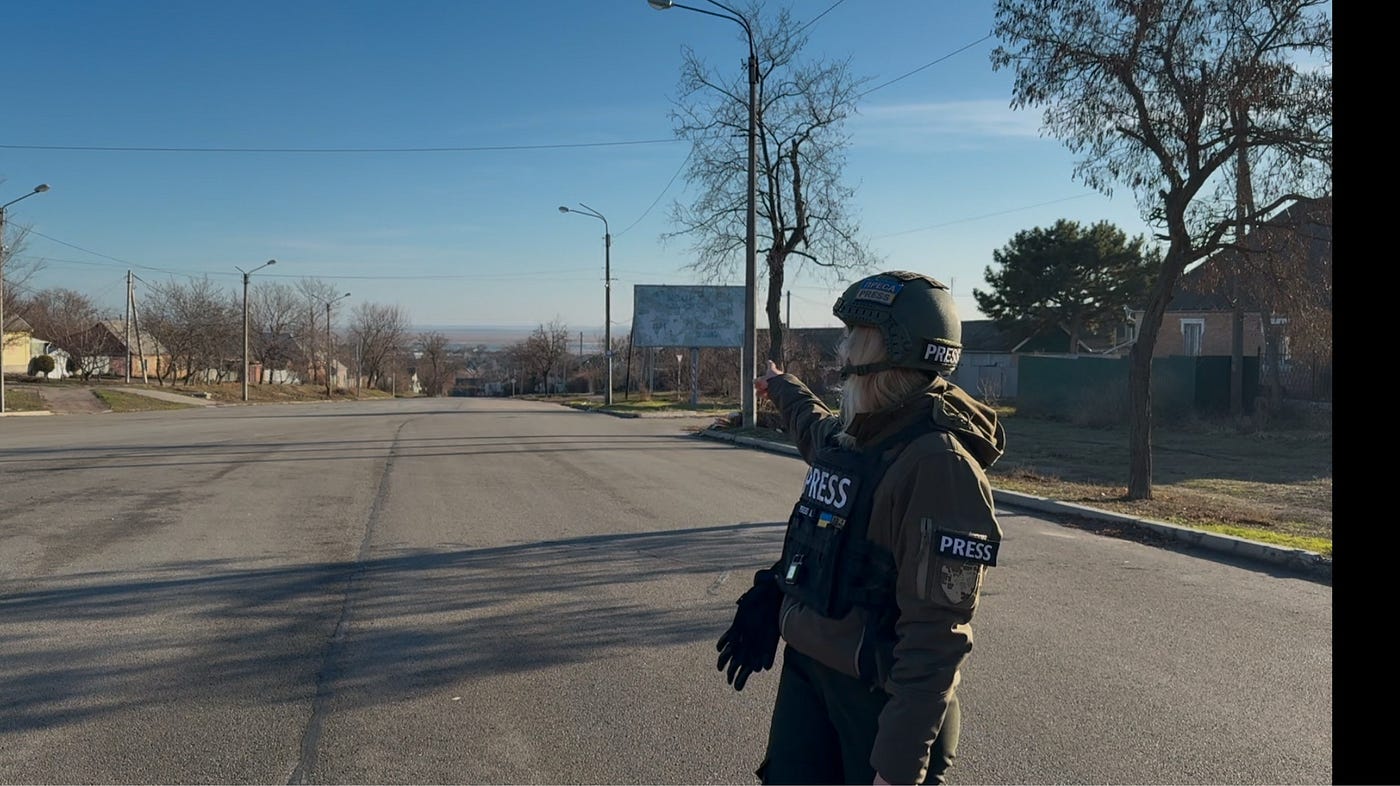
Likewise, in these frontline areas,the unsustainability of holding elections immediately after signing an unfair agreement like this is palpable. Millions of Ukrainians, including internally displaced persons, refugees abroad, citizens in occupied territories, and soldiers at the front, would be deprived of the right to vote.
Holding elections under such conditions violatesthe principle of the universality and equality of suffrage, a cornerstone of international human rights law.
They would not be elections but a fundamentally flawed procedure.
Added to this isthe risk of external interference. Russian Foreign Minister Sergei Lavrov has alreadycalledforUkrainians in Russiato vote as well. Butwhich territory is Russian and which Ukrainian, if what lies beyond the Dnipro (dry after Russias construction of the Nova Khakovka dam) belongs de jure to Ukraine and is de facto administered by Moscow?
The manipulations would be massive and would raise a question, unsolvable with such peace plans, that lies at the root of the war:who determines which territories are legitimately Ukrainian or Russian, if status is the very subject of the conflict?
Pan-Ukrainian referendums have been held only twice. On December 1, 1991, to confirm the Act of Proclamation of Independence (turnout was over 84%, with 90.32% of votes in favor, an absolute majority, in all regions, including Crimea and the East); on April 16, 2000, at the request of then-President Leonid Kuchma, who asked for a vote of confidence in Parliament, a bicameral system, a reduction in the number of deputies, and the revocation of immunity (turnout was around 80%, with over 80% of votes in favor on all questions).
However,today the problem is not historical but constitutional.
The Ukrainian Constitution, in fact, setsinsurmountable limits:accordingto Article 2, Ukraine is a unitary state whose territory is intact and inviolable;accordingto Article 157, the Constitution cannot be amended if this is intended to violate its territorial integrity.
As Ukrainian constitutionalist Andriy Magera hasclarified,a referendum on territorial modification is admissible only in the case of enlargement, not cession. Since this isnot the case at hand, the legal basis for holding an all-Ukrainian referendum at a level that entails territorial renunciation is lacking.
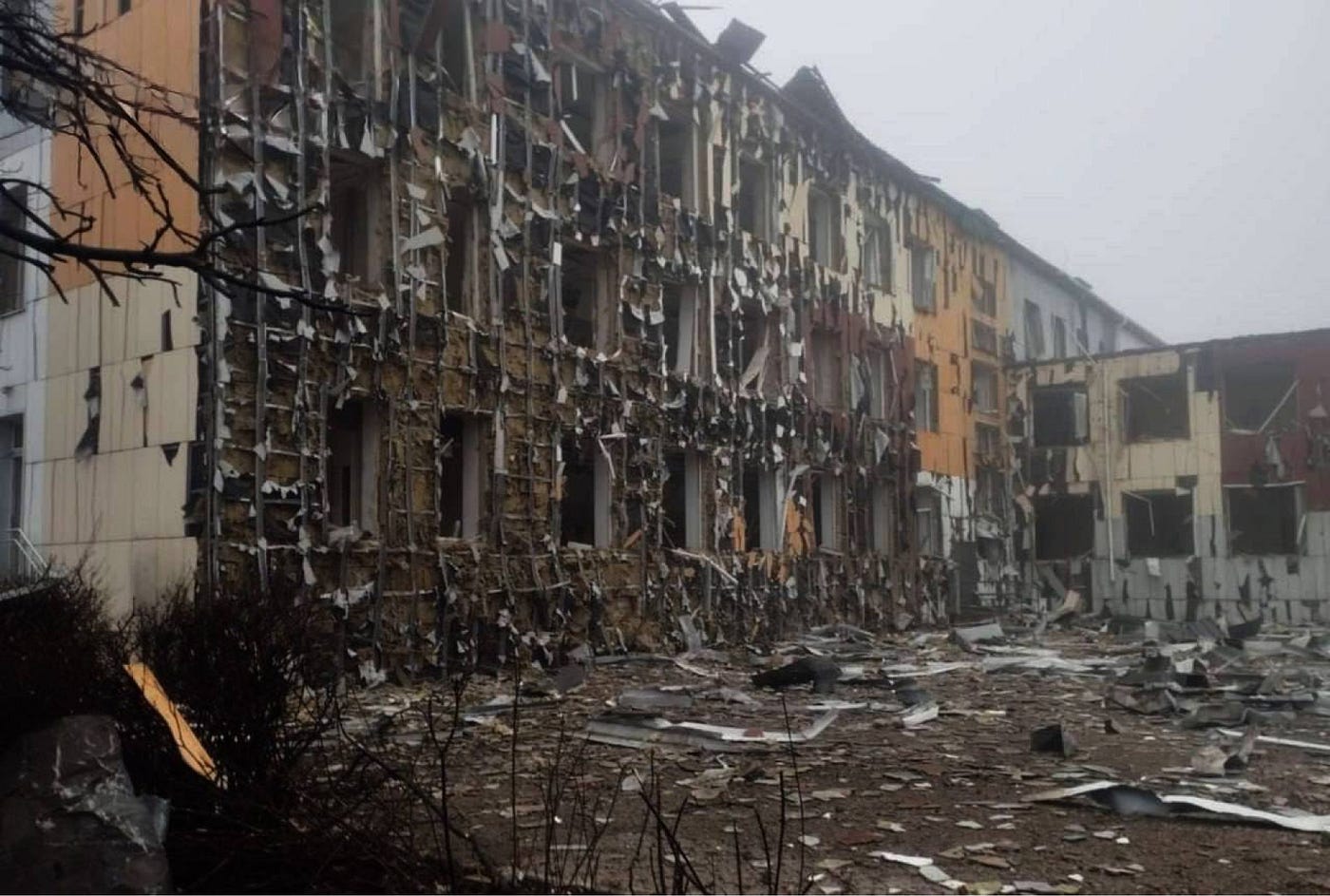
The reality which emerges a couple of kilometers as the crow flies from the ZNPP is clear:any proposal for international and political management, immediate elections, or territorial referendums will not bring peace at all: it will delegitimize, polarize, and pave the way for the next conflict.
No agreement that violates a countrys sovereignty, electoral rights, or Constitution is peace: it is merely a fragile truce, legally unsustainable, politically unenforceable, and militarily explosive.

A sincere thank you ?? to those who support us in our fundraising campaign????????????????????????
來自紮波羅熱核電站的炮火:核共同管理與領土公投的法律虛構
作者:Giorgio Provinciali
翻譯:旺財球球
烏克蘭前線報道????????
尼科波爾自2022年非法占領以來,俄羅斯武裝部隊持續從位於埃內爾霍達爾的紮波羅熱核電站(ZNPP)襲擊尼科波爾、馬爾哈內茨以及其他曾經繁榮的城市,這些城市如今已淪為荒涼的廢墟。多年來,這些地區每天都至少發生一起死亡或重傷事件,甚至外出購物變成了一場噩夢。從ZNPP及周邊地區發射的FPV無人機和炮火直接瞄準平民及他們居住的住房基礎設施,留下了一座座如今看起來如同幽靈般的焦黑、坑窪的建築。
在與經曆過這駭人聽聞的狩獵事件的幸存者交談時,我們討論了所謂20點和平計劃第12點所列的紮波羅熱核電站管理計劃,以及第18點承諾在簽署協議後立即舉行選舉甚至公投。我們發現這兩項內容在法律上均不一致且在政治上具有不穩定性。簡而言之,無法執行,正如我們在本刊前期對第1、2、5、6和11條所指出的那樣。
(圖:我正在指向烏克蘭馬爾哈內茨的一座被俄羅斯聯邦摧毀的民用建築????????版權所有,Giorgio Provinciali)
美國提議對ZNPP進行三方管理,以華盛頓作為主要管理者。基輔則與美國進行五五分成的共同管理。
這兩種方案都是注定要失敗的。
根據國際法,一個國家主權領土上的核電站不能在沒有明確中立授權(例如國際原子能機構)或未經聯合國安理會批準的臨時國際管理的情況下由第三國共同管理。
這兩種情況在這裏都不適用。
因此,任何賦予華盛頓管理角色的提議都違反了領土主權原則,創造了在戰區對核設施進行政治管理的危險先例,並將核電保護區轉變為一個具有爭議的地緣政治資產。與此相反,這裏所需的是受保護的民用基礎設施,服務於生活在這裏的人們。
烏克蘭的反建議同樣問題重重:將核管理權交給第三國使基輔麵臨法律挑戰,而莫斯科將其解釋為對衝突的工具性國際化,從而增加而非減少升級的風險。
唯一符合國際法的解決方案是占領軍撤軍,恢複烏克蘭的完全控製,並由國際原子能機構進行專門的技術監管,而非政治監管。
可以理解,居住在這裏的人們堅信,任何其他提議都會成為持續緊張局勢的源頭。
(圖:在烏克蘭尼科波爾的報道中,Alla指著埃內羅達爾的紮波羅熱核電站????????-版權所有,Giorgio Provinciali)
同樣,在這些前線地區,在簽署如此不公正協議後立即舉行選舉的不可持續性是顯而易見的。數百萬烏克蘭人,包括國內流離失所者、海外難民、被占領地區的公民以及前線士兵,都將被剝奪投票權。
在這種情況下舉行選舉違反了普遍性和平等選舉權的原則,這是國際人權法的基石。
這將不是選舉,而是一個根本有缺陷的程序。
更糟糕的是外部幹預的風險。俄羅斯外交部長謝爾蓋拉夫羅夫已呼籲在俄羅斯的烏克蘭人也參與投票。但是,如果第聶伯河以外的地區(在俄羅斯建造新哈科夫卡大壩後已幹涸)在法律上屬於烏克蘭,而事實上由莫斯科管理,那麽哪個地區是俄羅斯的,哪個是烏克蘭的呢?
這些操控將是大規模的,並會提出一個無法通過此類和平計劃解決的問題,這個問題根植於戰爭的根源:如果地位正是衝突的主題,那麽誰來決定哪些領土是合法的烏克蘭或俄羅斯?
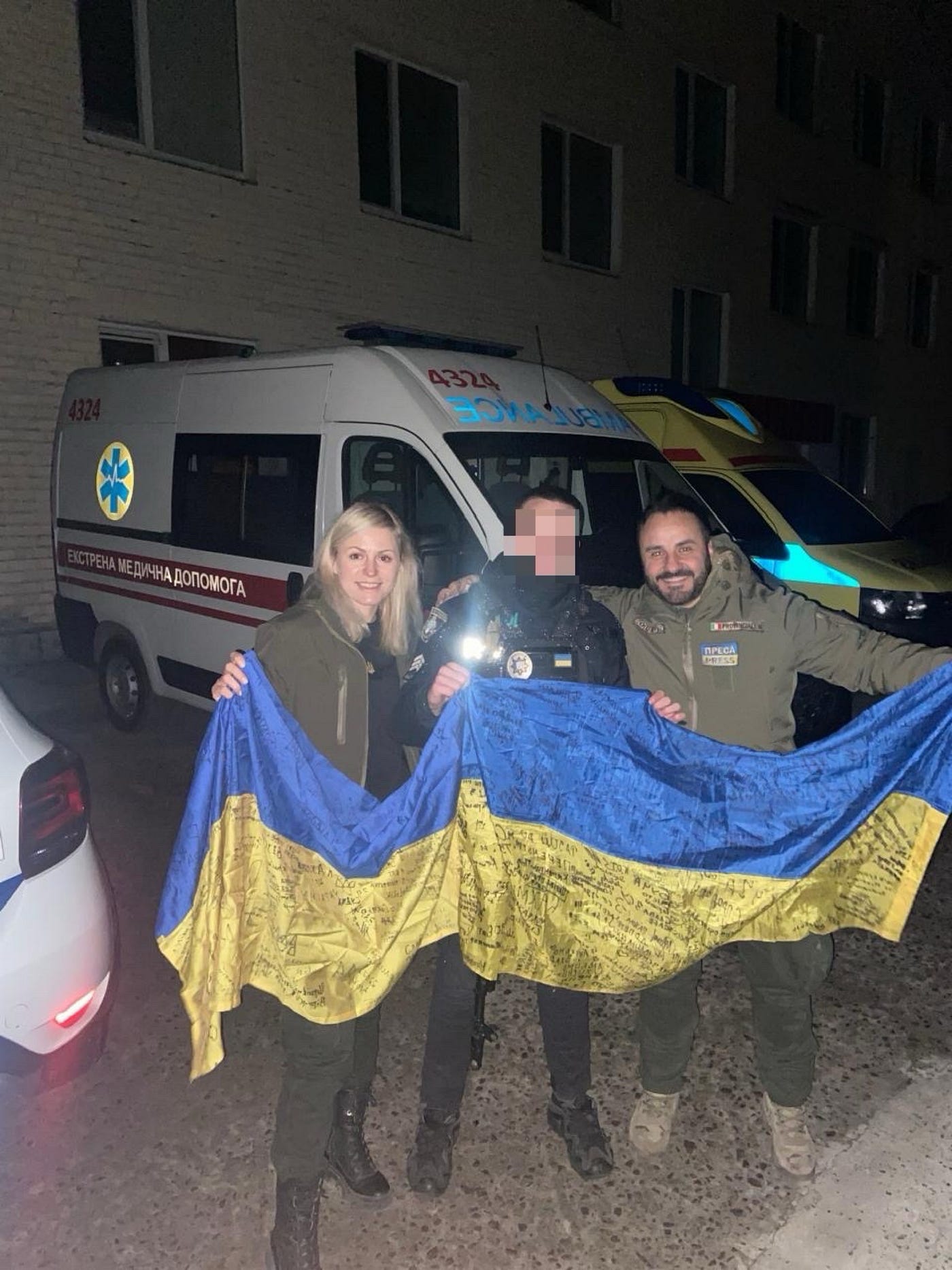
(圖:Alla和我在烏克蘭馬爾哈涅茨與一名警察一起舉著烏克蘭國旗????????-版權所有,Giorgio Provinciali)
全烏克蘭公投僅舉行過兩次。第一次是在1991年12月1日,以確認獨立宣言(投票率超過84%,支持率為90.32%,在包括克裏米亞和東部在內的所有地區均為絕對多數);第二次是在2000年4月16日,應時任總統列昂尼德庫奇馬的要求,進行對議會的信任投票、雙院製的建立、減少代表人數,以及撤銷免疫權(投票率約為80%,所有問題的支持率均超過80%)。
然而,如今的問題不再是曆史問題,而是憲法問題。
事實上,烏克蘭憲法設定了不可逾越的限製:根據第2條,烏克蘭是一個統一的國家,其領土完整且不可侵犯;根據第157條,如果憲法修訂旨在破壞其領土完整,則不得進行修改。
正如烏克蘭憲法學者安德裏馬赫拉所澄清的,關於領土變更的公投僅在擴張的情況下是可接受的,而不是在讓渡的情況下。
正如烏克蘭憲法學家安德烈馬赫拉所闡明的那樣,關於領土變更的公投隻在擴張的情況下是可接受的,而在放棄的情況下則不可接受。由於此情況不適用,因此沒有法律依據在涉及領土放棄的情況下舉行全烏克蘭公投。
(圖:俄羅斯是一個恐怖國家)
從紮波羅熱核電站鳥瞰幾公裏外,現實顯得很清晰:任何關於國際和政治管理、立即舉行選舉或領土公投的提議都根本不會帶來和平:它隻會使合法性喪失,導致兩極分化,並為下一個衝突鋪平道路。
任何違反一個國家的主權、選舉權或憲法的協議都不是和平:這隻是一項脆弱的休戰,法律上不可持續,政治上不可執行,軍事上則具有爆炸性。
(圖:俄羅斯摧毀了我身後的廣播電視塔。烏克蘭人在火雨下不知疲倦地工作,以修複它,他們成功了????????版權所有,Giorgio Provinciali)