Ukraine Is Setting the Pace
By: Giorgio Provinciali
Live from Ukraine
Vinnytsia – Since the so-called “ceasefire” went into effect, air raid alerts have remained active in several regions of Ukraine due to guided bombs over Zaporizhzhia and other Russian vectors – mostly drones – aimed at the regions of Kharkiv, Sumy, Donetsk, Luhansk, Dnipropetrovsk, Poltava, and Kherson. Ukrainian residential, commercial, and industrial infrastructure has been hit in nearly all these oblasts, immediately undermining Vladimir Putin’s promises.
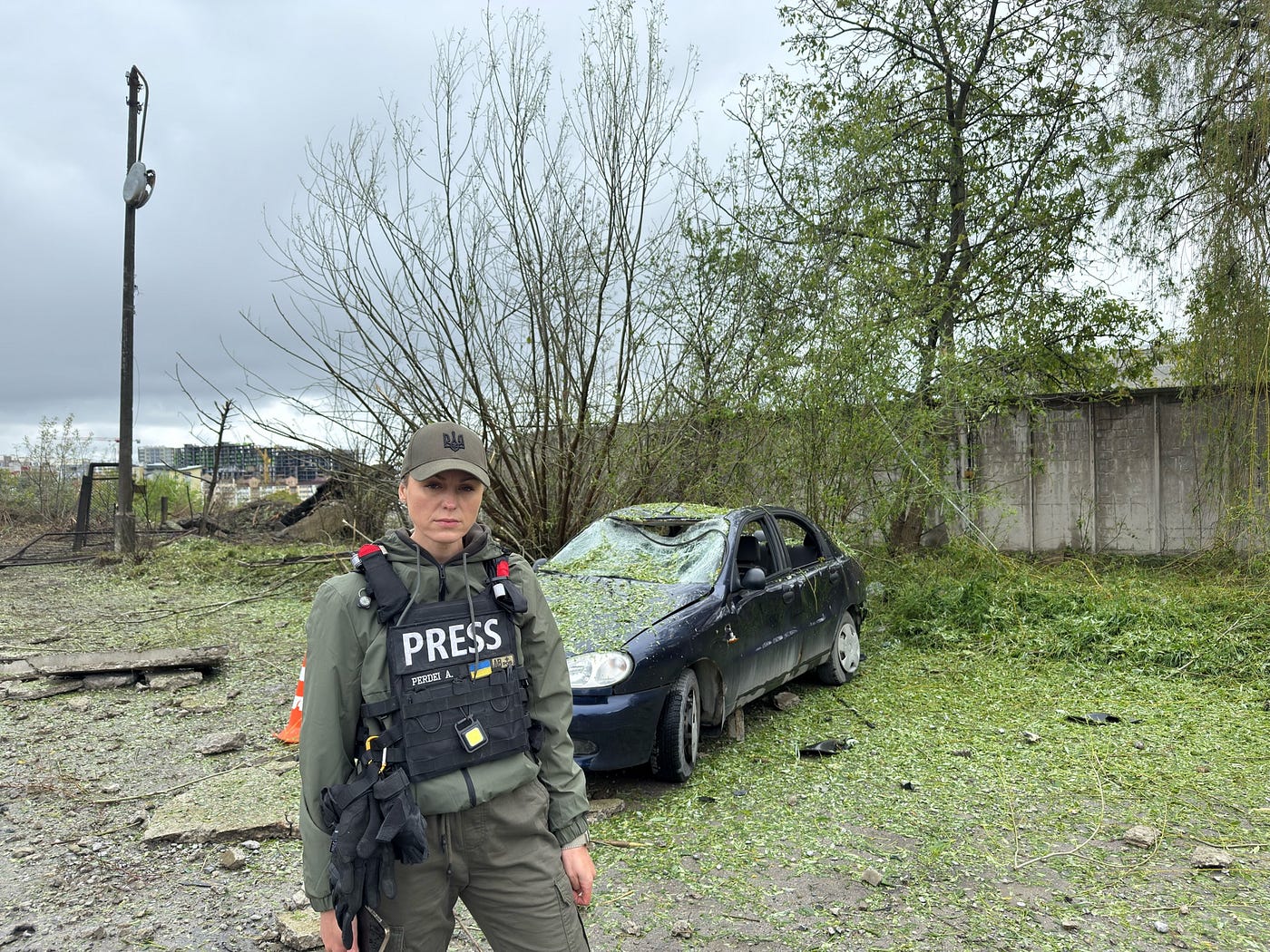
The Russian “truce” involved launching 108 long-range drones and three other missiles of different types at peaceful Ukrainian cities, which, like Zaporizhzhia and Dnipro, observed a day of mourning yesterday for the deaths caused the previous day by Russian bombs. While rescue crews searched through the rubble to recover victims now exceeding 50 in the former capital and 20 in the latter, other Ukrainian civilian buildings were similarly damaged. Around 11:00 a.m. yesterday, a Russian drone crashed into a kindergarten in the center of Sumy, killing a security guard and injuring two women. Rescuers also reported 17 injured in Chernihiv, 5 dead and 37 injured in Poltava, and another 5 dead and 12 injured in Kramatorsk. More broadly, at midday yesterday, President Zelensky announced that Ukraine would decide on the actions to take in response to as many as 1,820 Russian violations of the ceasefire within just twelve hours.
Beyond the official statements, little has actually changed. For at least three days, a large-scale Russian strike campaign has been ongoing against Ukraine’s transportation network, targeting logistics to hit the most active areas. In Kharkiv alone, the Russians have attacked more than a dozen gas stations. Other targets include regions such as Kyiv, Kherson, Zaporizhzhia, Donetsk, Sumy, and Dnipropetrovsk, where increasingly sophisticated V2U drones with AI-assisted targeting capabilities have also struck tracks, locomotives, and trains. Disrupting the multimodal interchange hubs and transition points between thermal and electric mobility – which facilitate Ukrainian logistics – represents a fierce attempt to cripple the ability to repair and rotate vehicles and personnel that help causing significant damage to the Russian Federation.
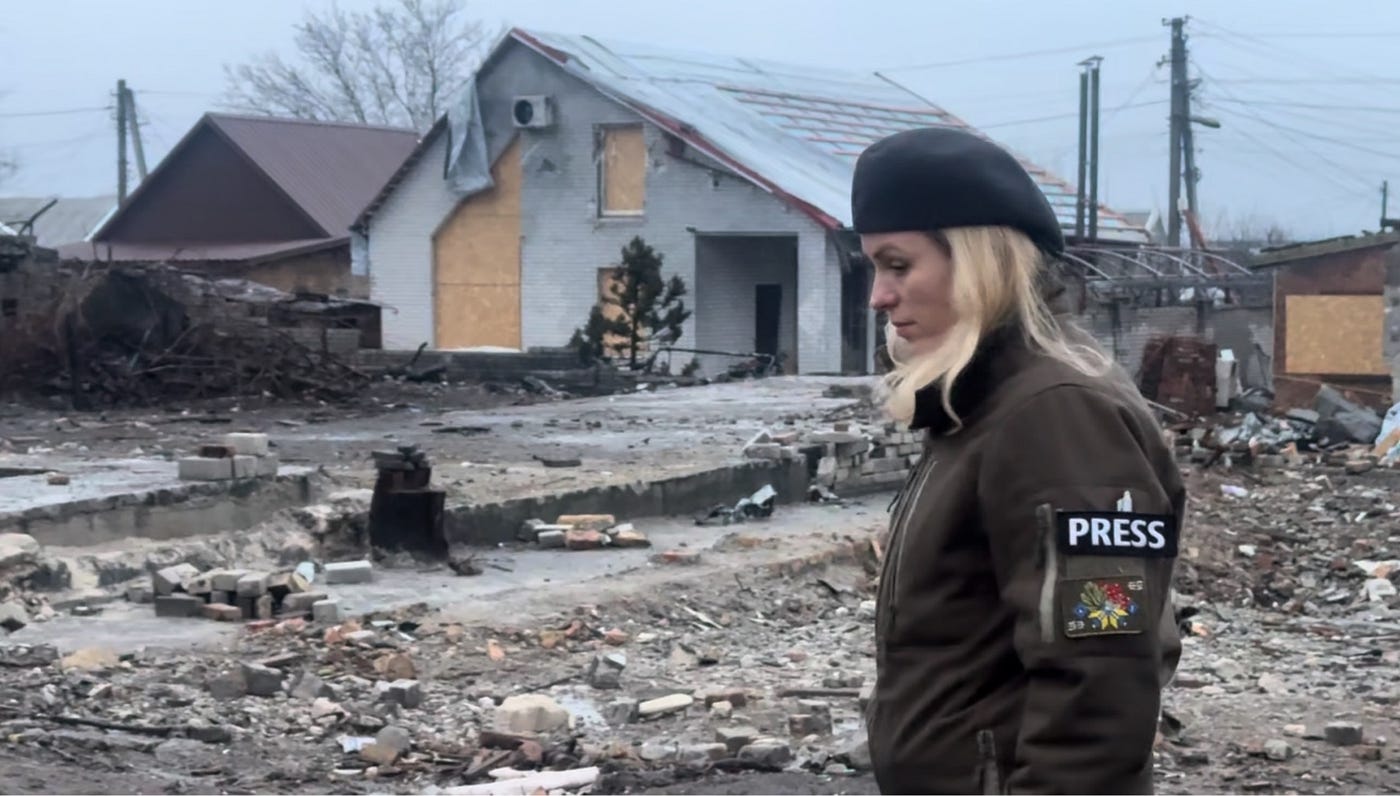
In April, Ukrainian drone strikes over 20 km doubled from March and quadrupled from February, while the number of tasks completed by robotic systems increased by the same margin. Concerning interceptor drones, in the first four months of 2026, the Ukrainian Armed Forces received twice as many as in 2025.
These figures come from the latest report by the Kyiv Ministry of Defense on the first quarter of 2026, clearly illustrating the current situation and forecasting an even stronger performance by Ukrainian unmanned forces as early as May.
This technological edge has now solidified, with Ukraine consistently leading in technological and operational interdiction. Meanwhile, for over five months, Russia has been losing more human material than it can recruit and more territory than it attempts to capture.
Labeling Russian attacks as “retaliation” or “random terrorism” would be an oversimplification. On the ground, Russia continues pushing in several sectors, but given the balance of cost, depth, logistics, and technological adaptation, Ukraine now appears capable of setting the pace of innovation.
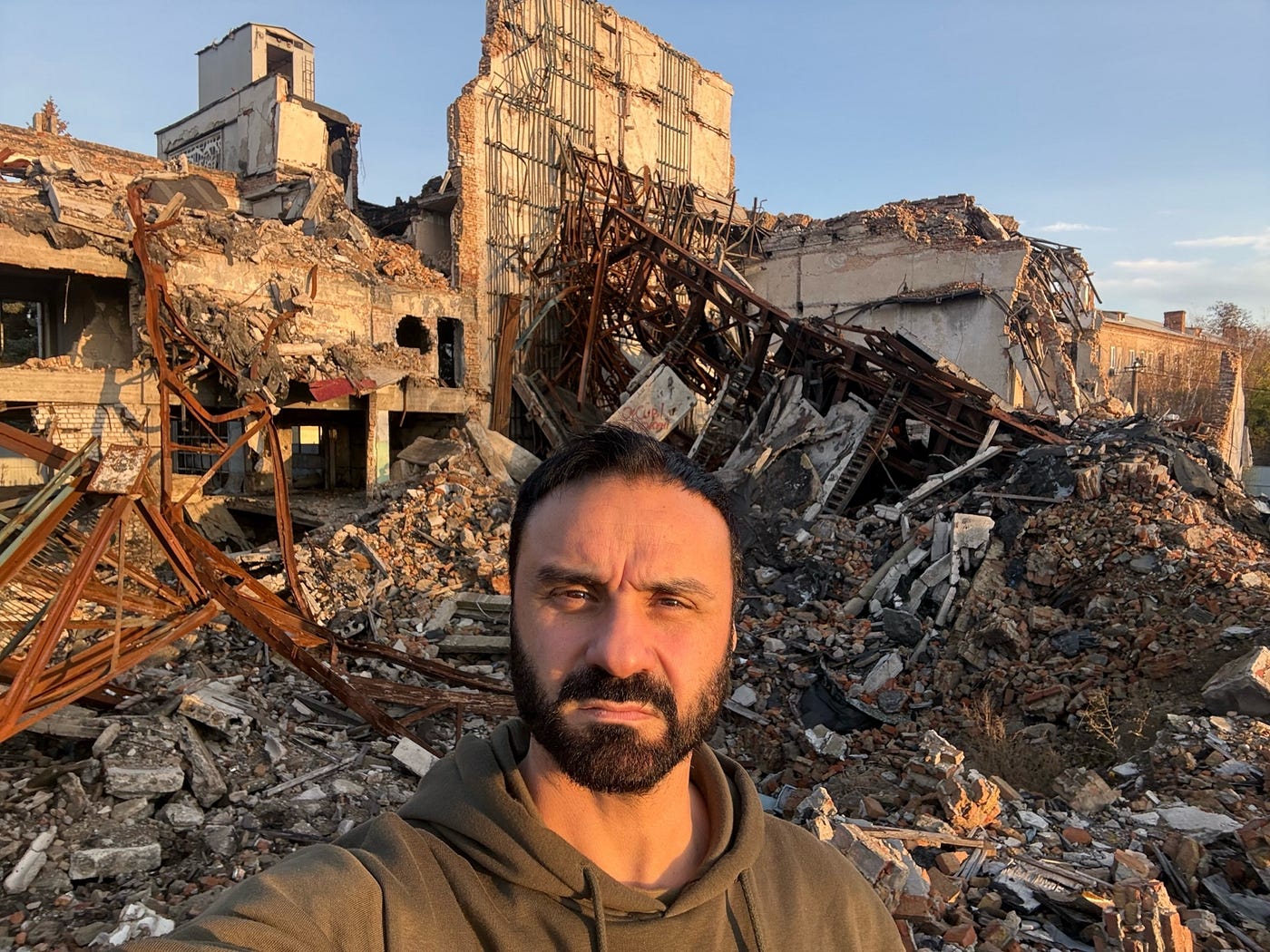
While Moscow prepares to celebrate the imperial liturgy, displaying the hammer and sickle and Zs made of St. George’s ribbon, Russian forces in the Ukrainian theater are suffering net losses of territory and personnel, the likes of which have not been seen since August 2024. The fury against Ukrainian logistics reveals precisely this weakness. The Russian Federation is targeting these nodes not because it controls the pace of the war but because it fears it has lost it.
Since Ukraine transformed drones from a tactical tool to a national operational system, Russian depth has become vulnerable, and Ukrainian depth has become the target of systemic retaliation.
In 1.534 days of war, we recorded over 250 videos from ground zero and wrote more than 1,500 articles.
We are doing our best to provide genuine, first-hand reports from zones where almost no press dares to go. This means living in a kill zone constantly. We take the risk, but without your invaluable support, our voices would remain unheard and silent. Without brave people sharing our articles from afar, they would remain unread. Our reports would go unseen, and our efforts would be lost. There’s still a lot of work to do here, as the people around us are also in no better situation.
We’re renewing our fundraising campaign and thanking everyone who joins us in helping to restore what Russia is destroying. Moving forward with only a small reimbursement for each article from a brave newspaper that believes in us is extremely challenging. That’s why we are grateful to all the kind people who support us and trust in our mission.
Even a small donation helps.
We’ll keep you updated on developments.
Thank you all, dear friends
烏克蘭正在掌握節奏
作者:Giorgio Provinciali
翻譯:旺財球球
烏克蘭前線報道
文尼察 —— 自所謂的“停火”生效以來,由於紮波羅熱地區持續遭受製導炸彈襲擊,以及其他來自俄羅斯方向(主要是無人機)的打擊,烏克蘭多個地區的防空警報始終未曾解除。這些攻擊主要針對哈爾科夫、蘇梅、頓涅茨克、盧甘斯克、第聶伯羅彼得羅夫斯克、波爾塔瓦以及赫爾鬆等州。幾乎在所有這些州,烏克蘭的居民、商業和工業基礎設施都遭到打擊,立即撕毀了弗拉基米爾·普京的承諾。
(圖:Alla與我在烏克蘭特爾諾皮爾報道 ——版權所有,Giorgio Provinciali)
俄羅斯的“休戰”包括向和平的烏克蘭城市發射了108架遠程無人機和另外三枚不同類型的導彈襲擊,像紮波羅熱和第聶伯羅一樣,昨日為前一天俄方炸彈造成的死難舉行了哀悼日。救援隊在廢墟中搜尋遇難者之際,前首都(紮波羅熱)死亡人數已經超過50人、第聶伯羅超過20人,其他烏克蘭民用建築亦遭類似破壞。昨日上午約11點,一架俄方無人機墜入蘇梅市中心的一所幼兒園,造成一名保安死亡,另有兩名女性受傷。救援人員還報告切爾尼戈夫17人受傷,波爾塔瓦5人死亡37人受傷,克拉馬托爾斯克5人死亡12人受傷。更廣泛地範圍來看,澤連斯基總統昨日中午宣布,烏克蘭將對短短十二小時內多達1,820起俄方違反停火的行為決定采取何種應對措施。
(視頻:我在歐洲新聞台的報道 ——版權所有,euronews)
官方聲明之外,實際變化很少。至少三天來,俄方一直針對烏克蘭的交通網絡實施大規模的攻擊行動,襲擊物流係統以打擊最活躍的區域。僅在哈爾科夫,俄軍就攻擊了十餘座加油站。其他目標還包括基輔、赫爾鬆、紮波羅熱、頓涅茨克、蘇梅和第聶伯羅彼得羅夫斯克等地區。在這些地區,配備AI輔助瞄準功能、技術不斷精湛的V2U無人機還襲擊了鐵軌、機車和列車。破壞多式聯運樞紐以及熱力與電力機動之間的轉換節點(這些是支撐烏克蘭物流的關鍵),是俄羅斯試圖削弱烏克蘭修複摧與車輛及人員輪換能力的猛烈措施,這些能力正式烏克蘭能夠對俄羅斯聯邦造成重大損害的關鍵所在。
(圖:Alla與我在烏克蘭紮波羅熱一次俄軍針對民用目標的重擊後現場報道 ——版權所有,Giorgio Provinciali)
四月,烏克蘭無人機在20公裏以外的打擊次數較三月翻倍,較二月則增長四倍,機器人係統完成的任務數量也呈相同的增長趨勢。關於攔截無人機,2026年前四個月烏克蘭武裝部隊獲得的數量是2025年的兩倍。
這些數據來自基輔國防部關於2026年第一季度的最新報告,清楚描繪了當前形勢,並預測烏克蘭無人力量在五月將有更強表現。
這一技術優勢已然鞏固,烏克蘭在技術與作戰攔截方麵持續領先。與此同時,五個多月來,俄羅斯在人力上損失超過其征募能力,在領土上損失超過其試圖奪取的麵積,這種情況前所未有。
將俄方襲擊標簽為“報複”或“隨機恐怖主義”未免過於簡單。在戰場上,俄羅斯仍在若幹戰區推進,但考慮到成本、縱深、後勤與技術適應性的綜合平衡,烏克蘭如今顯得能掌控創新節奏。
(圖:Alla與我在烏克蘭帕夫洛赫拉德一次俄軍針對民用基礎設施的攻擊後數現場報道 ——版權所有,Giorgio Provinciali)
當莫斯科準備慶祝帝國禮儀、展示鐮刀和錘子以及由聖喬治絲帶拚成的Z標時,烏克蘭戰區的俄羅斯部隊正遭受自2024年8月以來罕見的領土與人員淨損失。對烏克蘭後勤的瘋狂打擊恰恰暴露了這種弱點。俄聯邦之所以針對這些節點,並非因為它掌控了戰爭節奏,而是因為它擔心自己已失去對節奏的掌控。
自烏克蘭將無人機從戰術工具轉變為國家級作戰體係以來,俄方縱深變得脆弱,而烏克蘭縱深則成為係統性報複的目標。
***
在1534天的戰爭中,我們從前線錄製了250多段視頻,並撰寫了1500多篇文章。
我們盡最大努力從幾乎沒有媒體敢進入的地帶進行真實的一手報道,這意味著我們長期生活在“殺傷區”。我們承擔風險,但若沒有你們寶貴的支持,我們的聲音將無從傳出。若沒有遠方的勇敢的人們轉發分享我們的文章,它們將無人問津。我們的報道會被忽視,我們的努力將付諸流水。這裏還有大量工作要做,周圍的人們境況同樣艱難。
我們正在更新籌款活動,感謝每一位加入我們、幫助修複俄羅斯破壞的人們。僅靠一家勇敢的報紙為我們每篇文章支付微薄稿酬以維持前線報道極為困難。因此,我們感激所有支持並信任我們使命的善良人們。
哪怕是小小的捐助也有助益。
我們會持續為你們更新事態進展。
謝謝大家,親愛的朋友們
如果你認可我們的工作,請支持我們
在過去三年裏,自烏克蘭大規模戰爭爆發以來,作為自由撰稿人,我們一直在烏克蘭戰爭的所有前線進行報道…
Paypal捐款鏈接:https://www.paypal.com/pools/c/9oqgW5u5oE
