In A War Of Taps, The Attacked Is Asked To Show Restraint, And The Aggressor Gets Funded
By: Giorgio Provinciali
Live from Ukraine
Mykolaiv — Although it’s still snowing in many Ukrainian cities, in anticipation of rising temperatures, Russian terror is already shifting its targets, always aiming to inflict minimal physical damage while maximizing civilian, logistical, and psychological impact. Thus, Moscow intends to transform the Ukrainian summer into an extension of the winter energy war, shifting the center of gravity from electricity to water.
In recent hours, several Russian drones have targeted the city's water infrastructure from which I am writing. Ukrainian anti-aircraft fire shot them down, but an apartment building, a two-story house, and a car were still damaged.
Similarly, Russian air forces have been targeting water supply systems in the Kherson, Zaporizhzhia, Chernihiv, Sumy, and Kharkiv oblasts for days. The Russians are targeting water catchment plants, the points from which entire Ukrainian cities draw water.
In many situations, alternatives are unavailable, and in some cases, even the backup system is located near the main plant. Therefore, it can be damaged during the same or subsequent attacks. The problem, however, is not only the immediate damage but also the time required: building a new fixed plant takes approximately 9–12 months; therefore, it cannot be completed by the summer. Mobile pumps can mitigate the crisis, but cannot fully replace the structural redundancy of an urban water network.
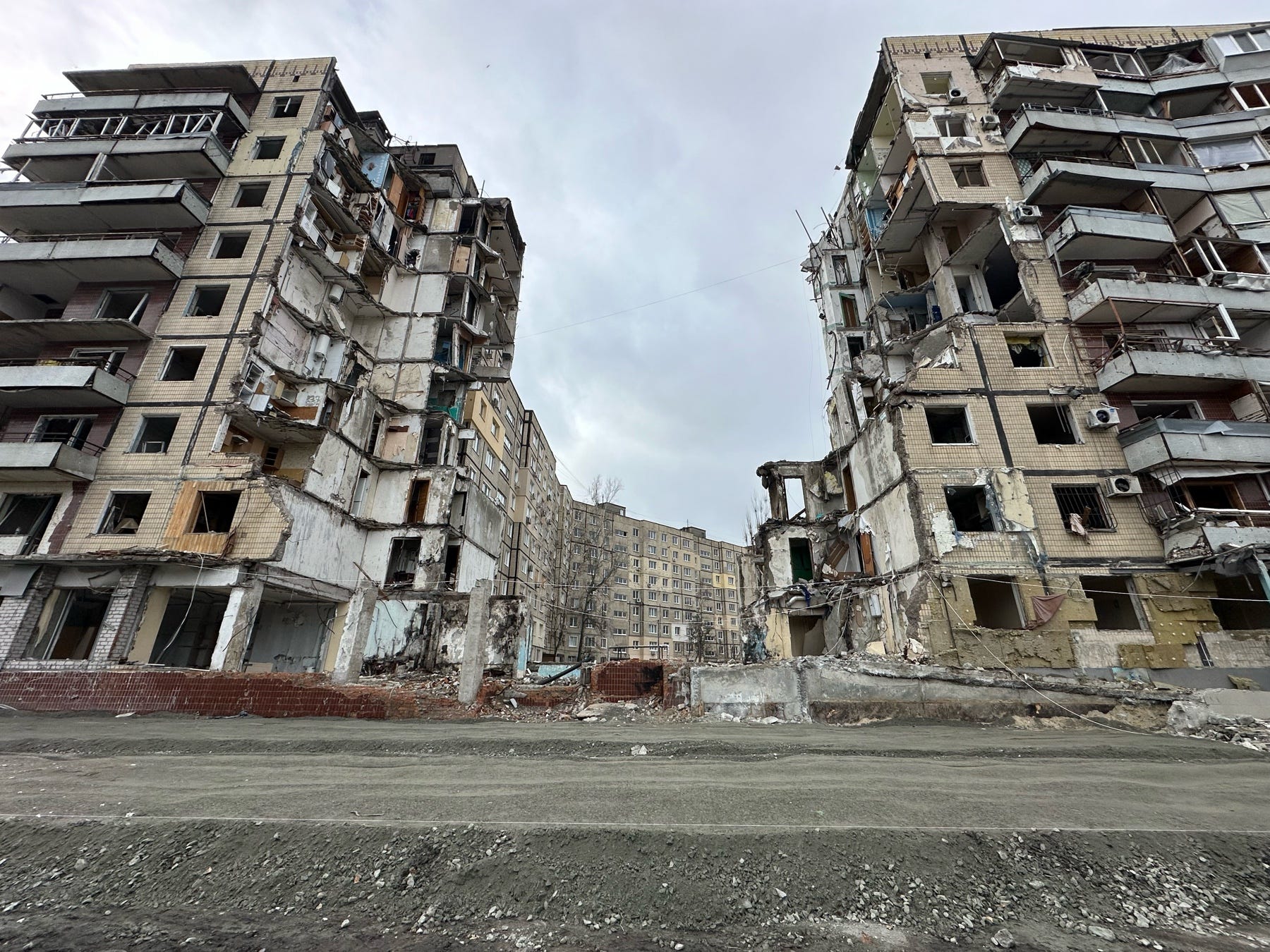
The decision announced by the Ukrainian General Staff to build a continuous defensive line from the Kyiv Reservoir to Sumy must therefore be read in this context, as well as in that of preventing the creation of a buffer zone and the withdrawal of its armed forces from the state border. In a modern warfare that, as Alla Perdei and I have already explained, must no longer be limited to conquest but to control and permanent pressure, water infrastructure and logistical corridors form a single architecture of vulnerability.
So too do gas pipelines, dams, reservoirs, and railway lines: they are all part of the same battlefield. So much so that new Russian attempts to infiltrate gas pipelines in Kupiansk have already been reported. As I reported on these pages on April 15, in that same region, Moscow’s air force has already dropped several glide bombs against the Pecheney reservoir.

The logic is crystal clear: if the Russians continue to use devastated, flooded, and guarded pipelines, it means the open field is even worse.
Drones, sensors, artillery, thermal imaging cameras, and other ISR tools have made the surface so lethal that even a half-destroyed pipeline appears, from their perspective, a less suicidal route than an open advance. This confirms the reading of war as a space of gradients that Alla Perdei and I have long offered from the field. Infiltration does not occur beyond what, until recently, we would have called the “front”, but within the infrastructure that runs through it. Underground, canals, pipelines, water networks, anti-drone corridors, urban, plant, and electronic coverage.

It’s a brutal yet coherent logic: if Moscow can no longer achieve rapid breakthroughs, it will attempt to disperse its pressure geographically to weaken Ukraine’s ability to withstand simultaneous attacks on the most vulnerable areas, cities, and diplomatic efforts.
The goal is not to conquer large cities: the Russian regime lacks the strength to do so. For over five months, it has been depleting its manpower faster than it can recruit and has lost the strategic initiative by failing to keep pace with Kyiv’s technological advances in drone warfare.
The goal is to create conditions for an attempted assault on that Donbas fortress belt, which it has never overcome in 12 years, by engaging Ukrainian forces on multiple flanks and forcing Kyiv to reduce attacks on the Russian oil sector.
Within this framework, the signals coming from the West are disconcerting: President Zelensky explicitly stated that «unnamed partners (read: Europeans, ed.) have asked Ukraine not to strike Russian terminals and refineries», while the US Vice President called the end of American aid to Ukraine «one of the things the US administration is most proud of».
A morally untenable aberration: while Russia threatens Ukrainian water, Kyiv is being asked not to strike Russian oil.
Those demanding restraint against the aggressor’s economic sources are those who fuel them with record purchases of gas and LNG, and those who triggered the global energy emergency by unleashing the Third Gulf War.
The false symmetry is plain to see: a water collection plant serves civilian survival; a refinery, an oil terminal, or a pumping station also serves the aggressor state’s ability to finance, fuel, and sustain its unjustified war.
Ukraine responded with its drones, striking another key hub in the Russian oil supply chain in the Perm region: first, a Transneft pumping station over 1,500 kilometers from the Ukrainian border, then the AVT-4 unit of the Lukoil-Permnefteorgsintez refinery. Debunking the hypocrisy of Western de-risking, and reminding us that, in this ‘war of the taps’, it still holds the upper hand in controlling the flows that matter.
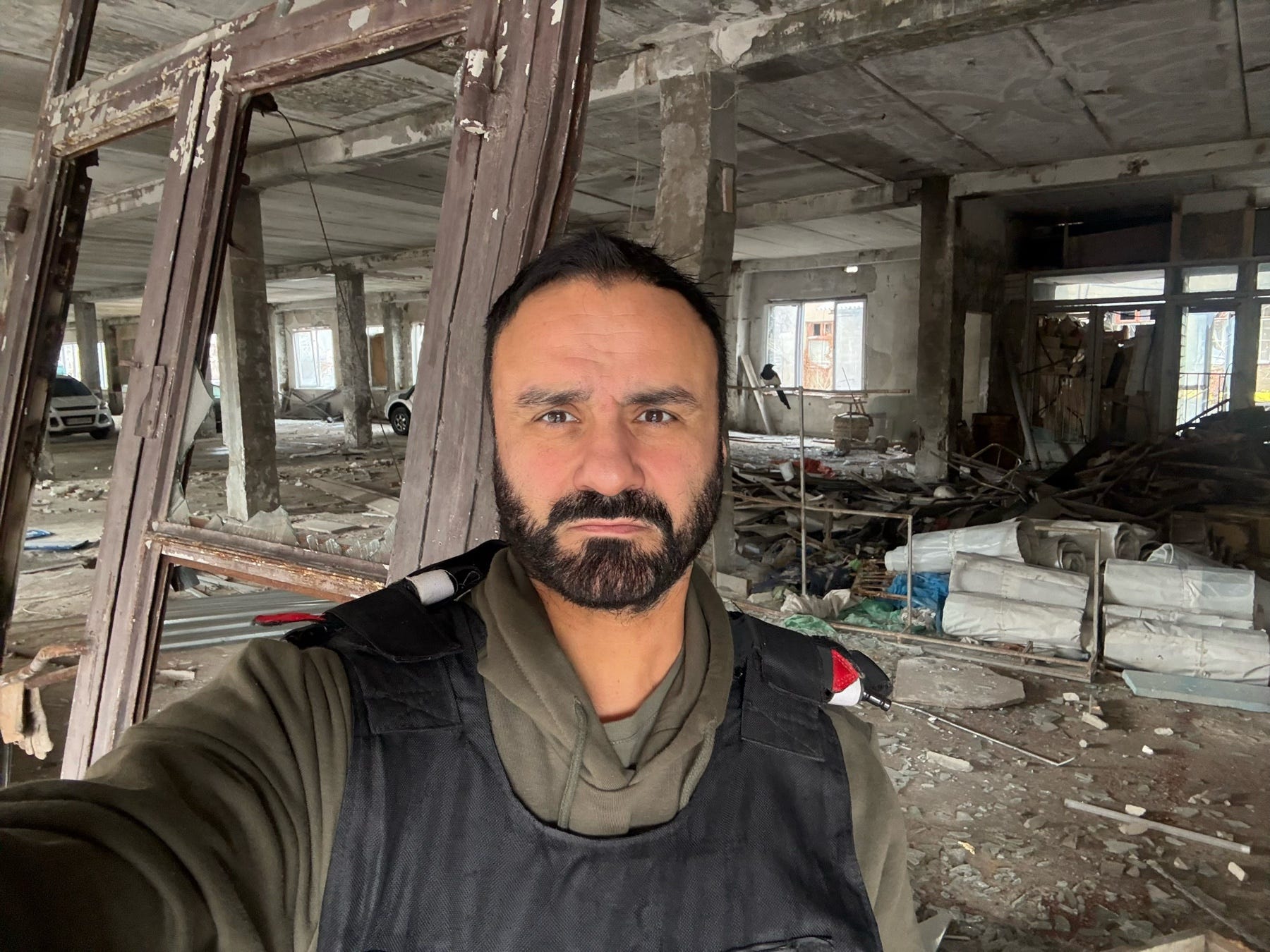
In 1.527 days of war, we recorded over 250 videos from ground zero and wrote more than 1,500 articles.
We are doing our best to provide genuine, first-hand reports from zones where almost no press dares to go. This means living in a kill zone constantly. We take the risk, but without your invaluable support, our voices would remain unheard and silent. Without brave people sharing our articles from afar, they would remain unread. Our reports would go unseen, and our efforts would be lost. There’s still a lot of work to do here, as the people around us are also in no better situation.
We’re renewing our fundraising campaign and thanking everyone who joins us in helping to restore what Russia is destroying. Moving forward with only a small reimbursement for each article from a brave newspaper that believes in us is extremely challenging. That’s why we are grateful to all the kind people who support us and trust in our mission.
Even a small donation helps.
We’ll keep you updated on developments.
Thank you all, dear friends
在“水龍頭之戰”中,被攻擊者被要求克製,而侵略者卻獲得資助
作者:Giorgio Provinciali
翻譯:旺財球球
烏克蘭前線報道
尼古拉耶夫 —— 雖然許多烏克蘭城市仍在下雪,但隨著氣溫即將回升,俄羅斯的恐怖行動已經開始轉移目標,其策略始終是盡量減少物理破壞、同時最大化對平民、後勤和心理層麵的打擊。因此,莫斯科意在將烏克蘭的夏季轉變為冬季能源戰的延續,把重心從電力轉向供水。
就在過去的幾個小時內,數架俄羅斯無人機襲擊了我目前坐在城市的市政供水基礎設施。烏克蘭防空火力將其擊落,但仍有一棟公寓樓、一座兩層住宅和一輛汽車受損。
同樣地,俄空軍數日來一直針對赫爾鬆、紮波羅熱、切爾尼戈夫、蘇梅和哈爾科夫州的供水係統發動攻擊。俄羅斯人對集水廠下手,那是整座城市供水係統的核心節點。
(視頻:Alla與我在烏克蘭赫爾鬆拍攝的影像—— 版權所有,Giorgio Provinciali)
在許多情況下,(城市供水)並無備用係統;有時備用係統與主設施毗鄰,因此可能在同一次或隨後的襲擊中受損。然而,問題不僅在於即時損毀,更在於重建所需時間:建造一座新的固定水廠大約需要9–12個月,因此在夏季前無法完成。移動泵雖能緩解危機,但無法完全替代城市供水網絡的結構冗餘。
(圖:第聶伯在一次俄羅斯襲擊針對平民目標的襲擊後 —— 版權所有,Giorgio Provinciali)
因此,烏克蘭總參謀部宣布在基輔水庫至蘇梅之間構建一條連續防線的決定,必須在這一背景下解讀,同時也要考慮防止形成緩衝區並防止其武裝部隊從國家邊界撤出。在現代戰爭中,正如我與Alla Perdei此前多次闡述的,戰爭不應再僅限於占領,而應包括控製與持續施壓,因此,供水基礎設施與後勤走廊構成了一體化的脆弱架構。
天然氣管道、水壩、水庫與鐵路線路亦然:它們都是同一戰場的一部分。以至於已有報道稱俄羅斯在庫皮揚斯克企圖破壞天然氣管線。正如我在4月15日曾報道的,在同一地區,莫斯科空軍已向佩琴尼水庫投下數枚滑翔炸彈。
(圖:我與Alla在烏克蘭尼古拉耶夫與赫爾鬆之間遭俄軍擊中烏克蘭民用基礎設施現場報道 —— 版權所有,Giorgio Provinciali)
邏輯十分清晰:如果俄羅斯繼續利用已損毀、被淹沒且有人把守的管線,那意味著空曠地帶更為危險。
無人機、傳感器、火炮、熱像儀及其他情報監視偵察工具已將地表變得極其致命,即便半毀的管線在其視角下,也好過在赤裸裸無遮掩下推進。這印證了我與Alla長期以來在前線提出的“梯度戰場空間”的觀點。滲透並非發生在傳統意義上的“前線”之外,而是在貫穿前線的基礎設施內部:地下、運河、管線、供水網絡、反無人機走廊、城市、工廠與電子覆蓋區。
(圖:截至2026年5月1日,許多烏克蘭城市仍在下雪 —— 版權所有, Giorgio Provinciali)
這是殘酷卻一致的邏輯:如果莫斯科不能再實現快速突破,它便會嚐試在地理上分散壓力,以削弱烏克蘭同步抵禦多個最薄弱地區、城市和外交戰線的能力。
目標並非征服大城市:俄羅斯政權已無力為此而戰。五個多月來,其人力消耗速度超過補充速度,並因未能跟上基輔在無人機戰領域的技術進步而喪失戰略主動權。
目標是通過在多個側翼牽製烏克蘭部隊,為對頓巴斯那道其12年未能攻破的堡壘地帶的企圖性衝擊創造條件,並迫使基輔減少對俄羅斯石油領域攻擊。
(視頻: Alla與我在第聶伯拍攝的影像 —— 版權所有, Giorgio Provinciali)
在此框架下,來自西方的信號令人不安:澤連斯基總統明確表示,“未具名的夥伴(即歐洲人,編者注)已要求烏克蘭不要打擊俄羅斯的終端和煉油廠”,而美國副總統稱終止對烏援助是“美國政府最自豪的事情之一”。
這是道德上站不住腳的悖論:當俄羅斯威脅到烏克蘭的供水時,卻有人要求基輔不要打擊俄羅斯的石油設施。
那些要求對侵略者的經濟來源保持克製的人,恰恰是通過創紀錄的天然氣和液化天然氣采購為其提供戰爭資金的人,以及通過挑起第三次海灣戰爭引發全球能源危機的人。
這種虛假的對等顯而易見:集水廠關係到平民生存;而煉油廠、石油終端或泵站則關係到侵略國為其無理戰爭提供資金、燃料供應和維持作戰能力。
烏克蘭以無人機作出回應,打擊了俄羅斯彼爾姆地區石油供應鏈中的另一個關鍵樞紐:首先是距烏邊境一千五百多公裏的跨油運輸泵站,然後是盧克石油佩爾姆煉油廠的AVT-4裝置。此舉揭穿了西方所謂去風險化的偽善,並提醒我們,烏克蘭在這場“閥門之戰”中,仍在對關鍵流動控製權方麵占據上風。
(圖:我在烏克蘭哈爾科夫一處遭俄羅斯襲擊的民用設施處報道—— 版權所有,Giorgio Provinciali)
***
在1527天的戰爭中,我們從前線錄製了250多段視頻,並撰寫了1500多篇文章。
我們盡最大努力從幾乎沒有媒體敢進入的地帶進行真實的一手報道,這意味著我們長期生活在“殺傷區”。我們承擔風險,但若沒有你們寶貴的支持,我們的聲音將無從傳出。若沒有遠方的勇敢的人們轉發分享我們的文章,它們將無人問津。我們的報道會被忽視,我們的努力將付諸流水。這裏還有大量工作要做,周圍的人們境況同樣艱難。
我們正在更新籌款活動,感謝每一位加入我們、幫助修複俄羅斯破壞的人們。僅靠一家勇敢的報紙為我們每篇文章支付微薄稿酬以維持前線報道極為困難。因此,我們感激所有支持並信任我們使命的善良人們。
哪怕是小小的捐助也有助益。
我們會持續為你們更新事態進展。
謝謝大家,親愛的朋友們
如果你認可我們的工作,請支持我們
在過去三年裏,自烏克蘭大規模戰爭爆發以來,作為自由撰稿人,我們一直在烏克蘭戰爭的所有前線進行報道…
Paypal捐款鏈接:https://www.paypal.com/pools/c/9oqgW5u5oE
