原文鏈接:
An Energy Truce Agreement As A Strategic Blackmail
By: Giorgio Provinciali
Live from Ukraine
Kyiv – As President Volodymyr Zelensky explained yesterday, the so-called«energy truce agreement» is not the result of direct dialogue but of American mediation. Therefore, «as long as Russia does not strike Ukrainian energy infrastructure, Ukraine will not strike Russian infrastructure».
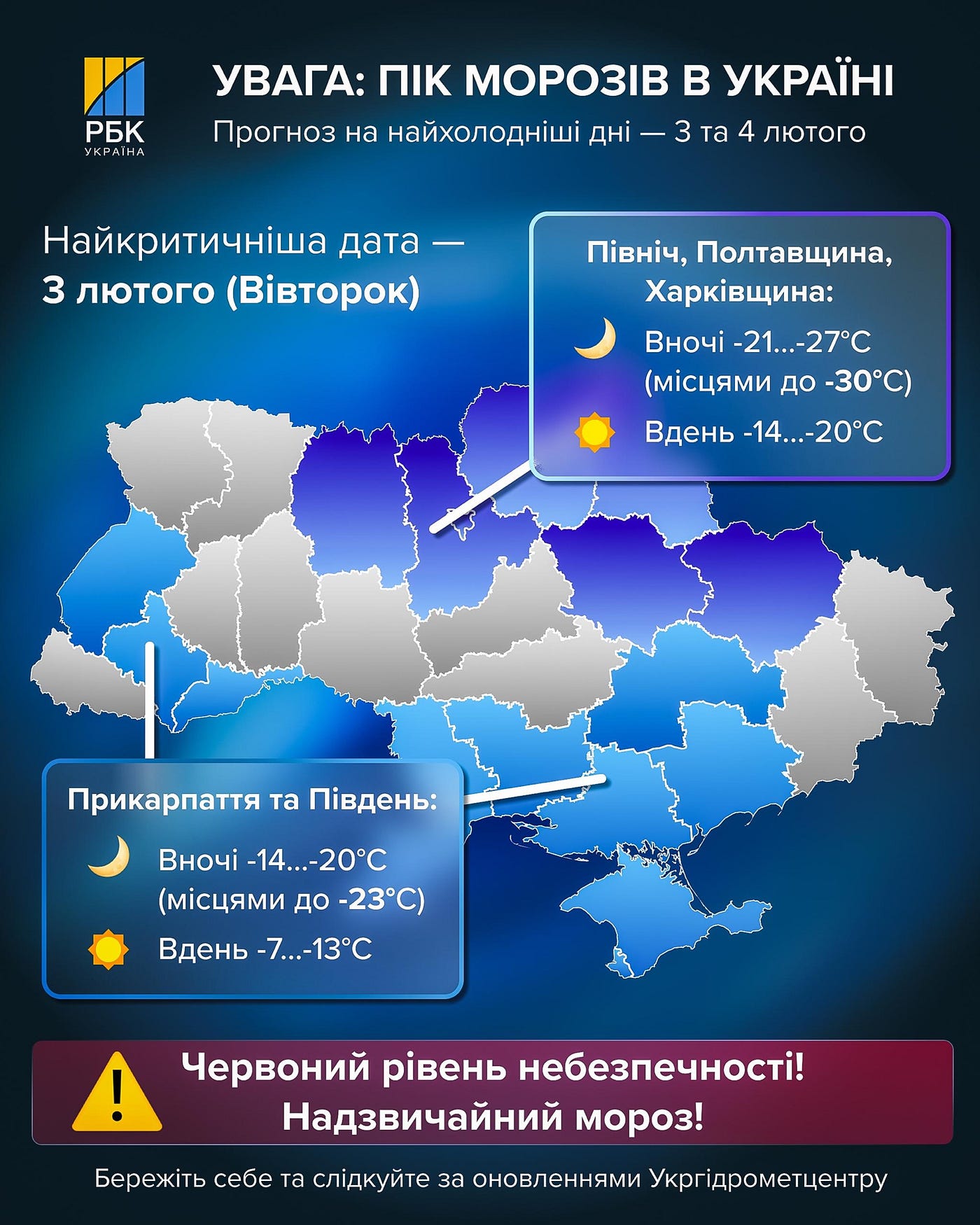
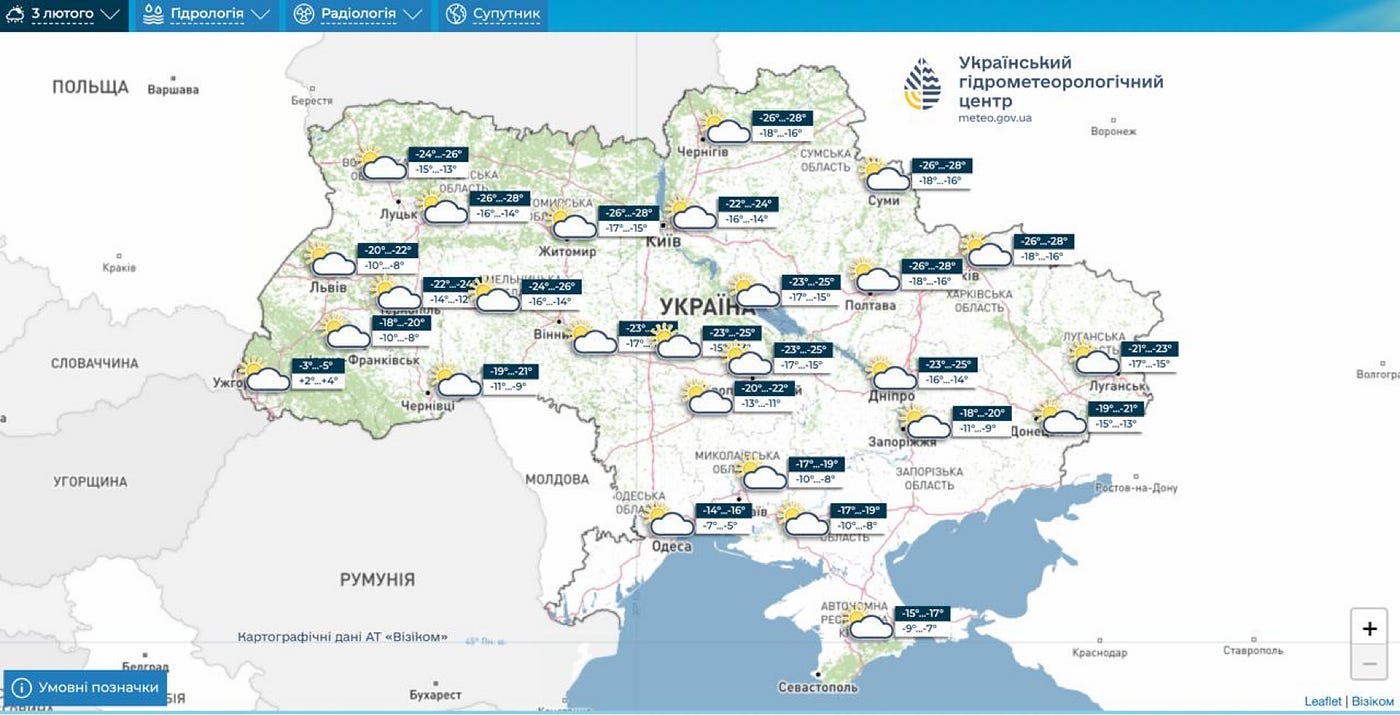
Although technically possible, the idea of an energy ceasefire is strategically incompatible with Russia’s current posture. Moscow uses energy not as an isolated military objective but as an instrument of systemic coercion: it pressures Ukraine’s civilian population and strains its air defenses, forcing them to consume a high level of interceptors, with the aim of politically weakening it both internally and in external relations with its partners. Weather forecasts indicate an imminent new drop, with Arctic temperatures approaching 30 degrees below zero just as the so-called «energy ceasefire» ends, and will remain so for the entire coming week. To be precise, according to data from the Ukrhidromettsentr, the expected minimum temperature between February 1st and 3rd will be -28°C, and in Kyiv, the maximum temperatures will reach -24°C at night.
Halting the attack before the peak of frostbite would mean Moscow forgoing the maximum strategic benefit of the attack. This is also why Ukrainian intelligence is openly discussing preparations for a new attack. In this sense, the ‘truce’ leaked by Moscow through Vladimir Putin and relaunched in the political and media circuit involving Donald Trump does not appear to be a concession at all, but rather informational cover useful for lowering the international alert threshold and creating political ambiguity in the West, with the aim of buying time to synchronize vectors, weather, and the buildup of forces.
The activation of the state of preparedness in Lviv announced by Mayor Andryj Sadovy is not a symbolic gesture but a response to concrete indicators: intelligence, previous attack patterns, and weather forecasts.
The words of Deputy Prime Minister Oleksy Kuleba are even more revealing: «Ukrainian energy system is fragile and already working at its limit; the cold makes repairs long and difficult, and the severe shortage of interceptors further reduces the margin for error».
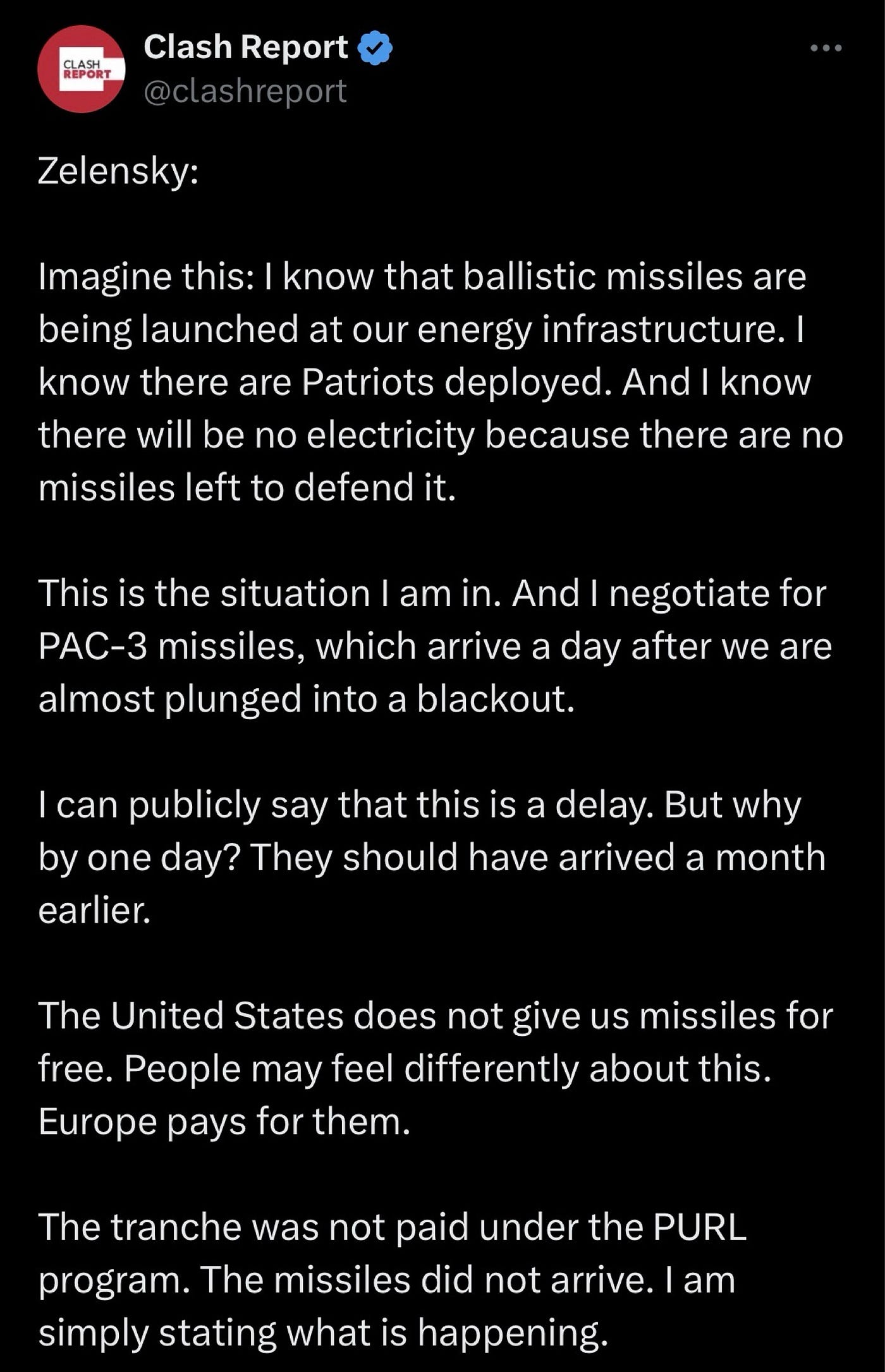
In this regard, and as proof of what I denounced in these pages last week, Zelensky also posed a question yesterday: why were the Patriot PAC-3 interceptors – not ‘donated’ but paid for by Ukraine’s European partners – delivered by the US to Kyiv the day after the most devastating Russian strike on Ukraine’s energy infrastructure? Zelensky explained that he had been informed of the impending Russian ballistic missile strike and had begged for those missiles because the defenses were exposed.
Therefore, the Americans were aware of the urgency of restoring Ukraine’s defenses, which were understaffed in anticipation of a brutal Russian attack like that. Yet, they cynically delivered the precious cargo – paid handsomely by Ukraine’s European partners – the very day after it occurred, bringing the country’s energy system to its knees.
The picture on the eastern front is even clearer: the Russians are amassing troops near the Serebriansk forest and toward Siversk and Dronivka, with attempts to cross the Siversky Donets’ River. Units of the 81st Ukrainian Airmobile Brigade intercept enemy movements day and night, inflicting losses while confirming a massing of enemy troops.
Consistent with this, Moscow is therefore using the freezing temperatures as cover for a ground assault.
If credible negotiations were truly underway, we would not see this level of preventive alert, attack scenarios would not be publicly anticipated, and we would not see a Head of State publicly denouncing that the means to defend his country arrive only after the damage has been inflicted.
In this context, the idea of ??a US-mediated «energy truce» appears for what it is: not a stabilization measure but a narrative device. While a ceasefire is discussed, interceptors are delayed; while de-escalation is invoked, Moscow is allowed to strike at the moment of maximum climate and infrastructure vulnerability. Energy thus becomes the battlefield where two forces of coercion overlap: the Russian one, cynical and overt; and the American one, more subtle but no less decisive.
It should also be clarified why an energy truce, if applied symmetrically, would disproportionately favor the Russian Federation. In recent months, selective Ukrainian attacks on Russian refineries, depots, and energy distribution hubs have caused immediate and measurable economic damage, affecting refining capacity, fuel exports, and domestic tax flows. In terms of intensity and speed, these effects have been more significant than those of Western sanctions, which are often circumventable or spread out over time. Freezing this pressure would restore Moscow’s margins for industrial and financial recovery, stabilize the energy revenues that directly fuel the war effort, and reduce one of the few asymmetric tools with which Kyiv has managed to strike at the economic heart of the Russian war machine.
Since the farce trumpeted as a success by Putin’s spokesman in Washington, Donald Trump, went into effect, Ukrainian police have received over 2,000 reports of bomb threats in Kyiv and nearly all regions: Vinnytsia, Volyn, Dnipropetrovsk, Donetsk, Zakarpattia, Zaporizhia, Ivano-Frankivsk, Kirovohrad, Lviv, Mykolaiv, Odesa, Poltava, Rivne, Sumy, Ternopil, Kharkiv, Khmelnytskyi, Cherkasy, Chernivtsi, and Chernihiv. Government agencies, schools, and businesses were reportedly mined, bringing virtually the entire country to a standstill.
Meanwhile, Moscow refocused its attacks on Ukrainian logistics, also striking an American company in Kharkiv and a bus carrying passengers in Kherson.
Truly a ‘success’. Made in the USA.
The continuous blackouts severely damaged the heating system of our house in Western Ukraine while we were in Donbas.
Without electricity, the pump couldn’t circulate the liquid while the fire was lit. As a result, the system caught fire, and the whole house was at risk of burning. Fortunately, it did not, but the whole system needs to be changed, and the house needs to be restored. Tubes are all bent, walls are blackened by haze, and the heating system doesn’t work, requiring an entirely new system.
We are doing our best since Alla’s parents live there, but there’s still a lot to work on here, too, as the people around us are in no better situation.
We’re renewing our fundraising campaign and thanking everyone who joins to help us restore what Russia is destroying. Even a small donation helps. We’ll keep you updated on developments.
Thank you all, friends
能源停火協議:一種戰略性勒索
作者:Giorgio Provinciali
翻譯:旺財球球
烏克蘭前線報道
基輔 — 正如總統弗拉基米爾·澤連斯基昨日所解釋的,所謂的“能源停火協議”並非直接對話的產物,而是美國居間斡旋的結果。因此,“隻要俄羅斯不打擊烏克蘭的能源基礎設施,烏克蘭就不會打擊俄羅斯的基礎設施”。
盡管從技術上可行,但能源停火的想法與俄羅斯當前的姿態在戰略上並不兼容。莫斯科並不把能源當作孤立的軍事目標來使用,而是作為一種係統性脅迫工具:它向烏克蘭平民施壓並牽製其防空力量,迫使其消耗大量攔截彈,以期在國內和對外關係上從政治上削弱烏克蘭。天氣預報顯示將有新一輪降溫即將來臨,北極氣溫接近零下30度,而所謂的“能源停火”恰在此時結束,並將在接下來的一周內持續低溫。準確地說,根據烏克蘭水文氣象中心的數據,預計2月1日至3日的最低氣溫將達到-28°C,而在基輔,夜間最低氣溫將降至約-24°C。
(圖片來源:RBK)
(圖片提供:Ukrhidromettsentr)
在嚴寒高峰到來之前停止打擊,就意味著莫斯科會放棄此輪打擊可獲得的最大戰略收益。這也是為何烏克蘭情報機構公開討論為新一輪打擊做準備的原因。從這個意義上說,通過弗拉基米爾·普京泄露並在涉及唐納德·川普的政治與媒體圈子裏被再次炒作“停火”,根本不是讓步,反倒像是一種信息掩護,用以降低國際警覺閾值並在西方製造政治模糊,從而爭取時間以同步作戰、天氣與兵力集結。
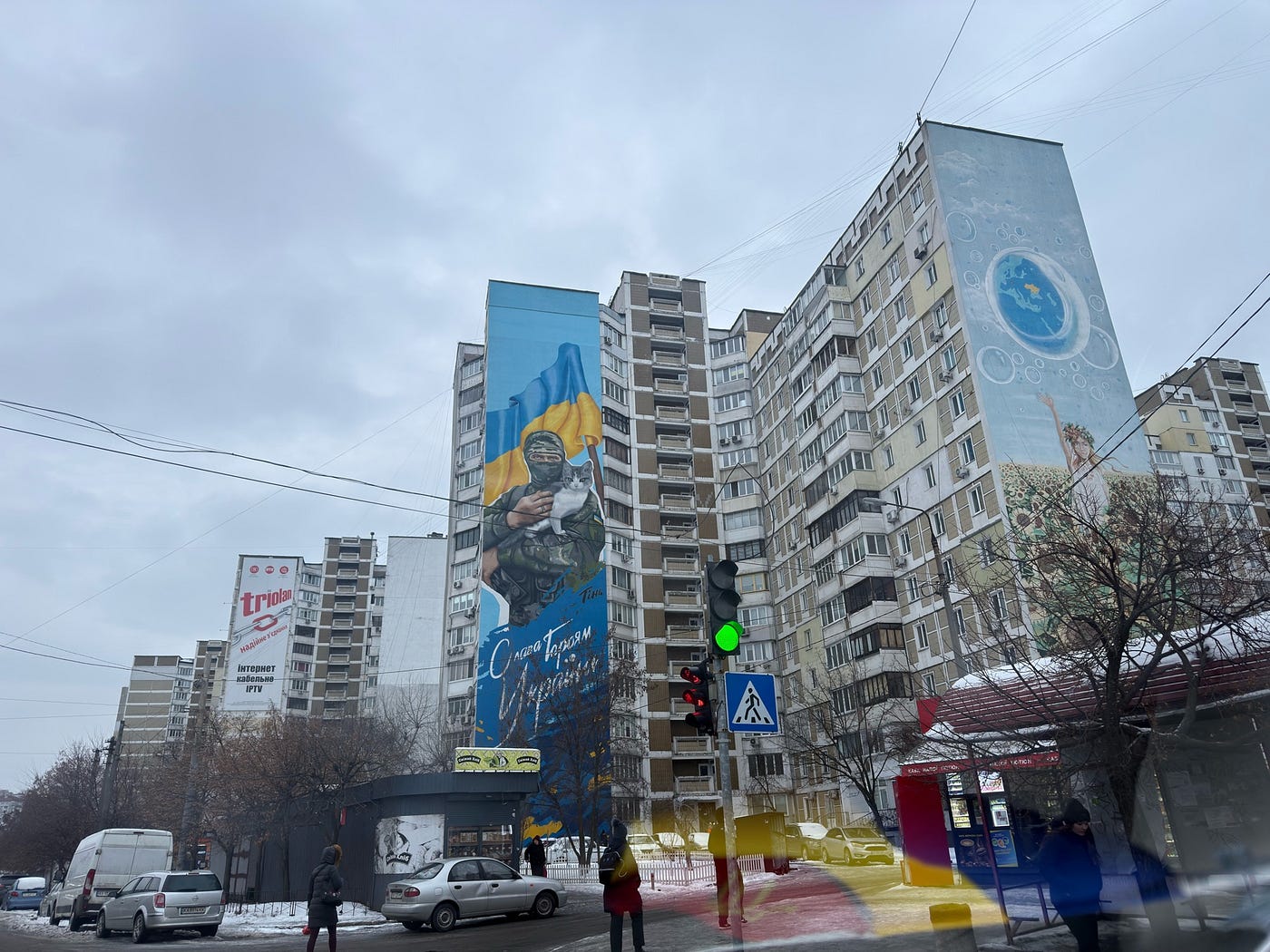
(圖:我在撰寫本文前不久在基輔拍攝了這張照片。牌匾寫著“榮耀屬於烏克蘭英雄”——版權所有,Giorgio Provinciali)
利沃夫市長安德裏·薩多維宣布啟動戰備狀態,這並非象征性舉動,而是對具體指標的回應:情報信息、以往攻擊模式與天氣預報。
副總理奧列克西·庫列巴的話更具說明性:“烏克蘭的能源係統脆弱且已運轉在極限;嚴寒使維修漫長而艱難,攔截彈的嚴重短缺進一步縮小了容錯空間。”
在這方麵,正如我上周在本刊揭示的,澤連斯基昨日也提出了一個問題:為何那些由烏克蘭的歐洲夥伴支付、並非“捐贈”的愛國者PAC-3攔截彈,竟在對烏克蘭能源基礎設施造成最具破壞性的一輪俄方打擊後的第二天,才由美國交付給基輔?澤連斯基解釋說,他早已獲悉即將發生的俄方彈道導彈打擊,並懇求提供這些導彈攔截器,因為防禦當時暴露無遺。
因此,美國方麵非常了解恢複烏克蘭防禦力量的緊迫性,而當時烏克蘭在麵臨類似如此殘酷的俄方攻擊前防禦人手不足。然而,美國冷血地在打擊發生後的第二天才交付這批由烏克蘭歐洲夥伴高價購買的珍貴貨物,使該國的能源係統陷入癱瘓。
(圖片來源:Clash Report 在“X”上的發布)
東線的形勢更為清晰:俄軍正在塞列布裏安斯克森林附近及向西弗爾斯克與德羅尼夫卡方向集結部隊,並試圖渡過西弗爾斯基頓涅茨河。烏克蘭第81空降旅的部隊晝夜攔截敵方行動,給予打擊的同時也確認了敵軍的集結態勢。
與此相符,莫斯科正利用極寒天氣作為地麵攻勢的掩護。
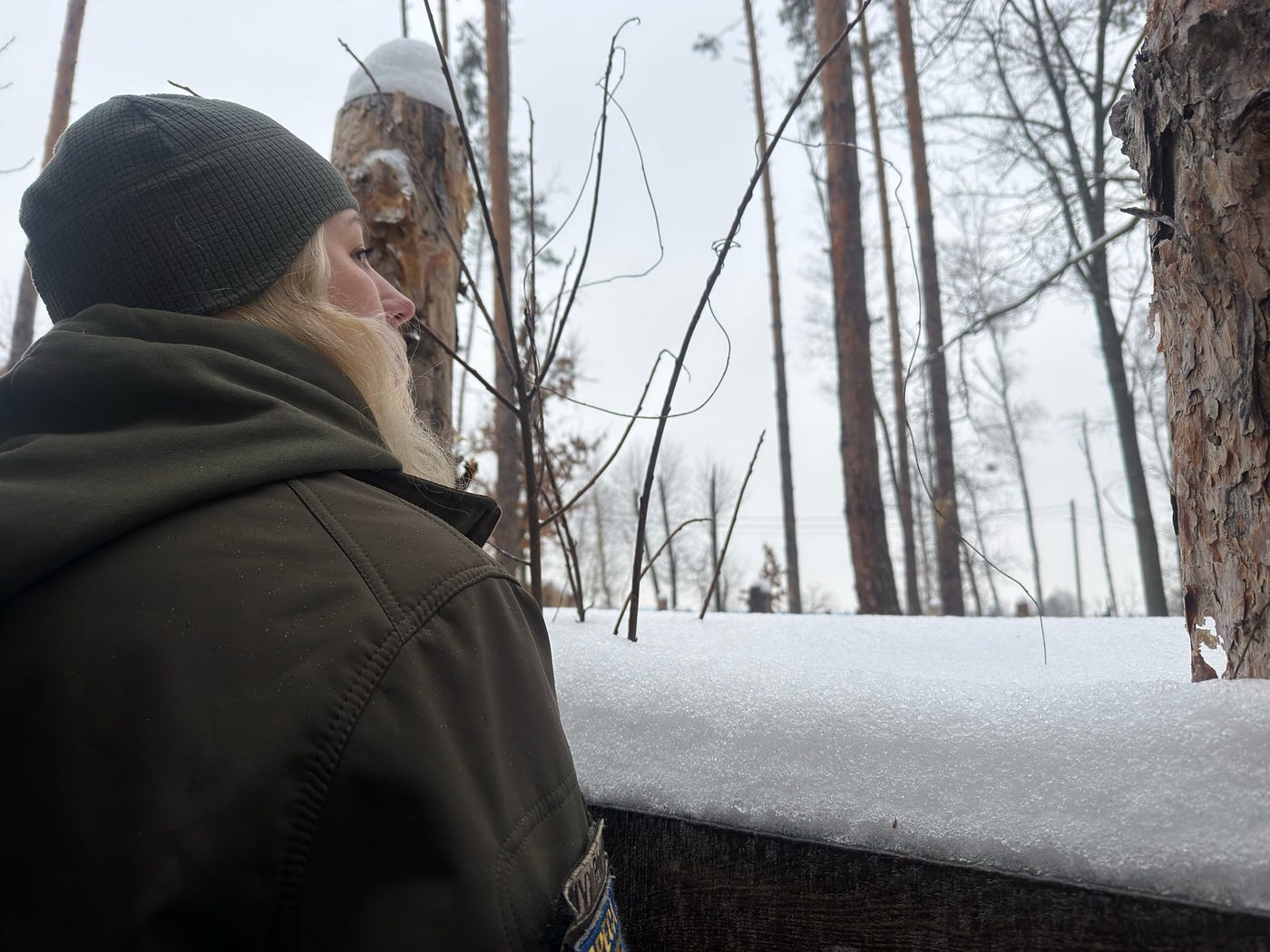
(圖:Alla從戰壕向外望去——版權所有,Giorgio Provinciali)
若真有可信的談判在進行,我們不會看到如此程度的預防性警戒;攻擊情景也不會被公開預告;國家元首也不會公開控訴保衛國家的手段在損害發生後才到位。
在這種情境下,由美國居中斡旋的“能源停火”暴露出其本質:它並非一種穩定化措施,而是一種敘事工具。在討論停火的同時,攔截彈被延遲;在呼籲緩和的同時,莫斯科被允許在氣候與基礎設施最脆弱之時發起攻擊。於是,能源成為兩股脅迫力量交匯的戰場:一股是冷酷且公開的俄方脅迫;另一股是更為巧妙但同樣具有決定性的美方脅迫。
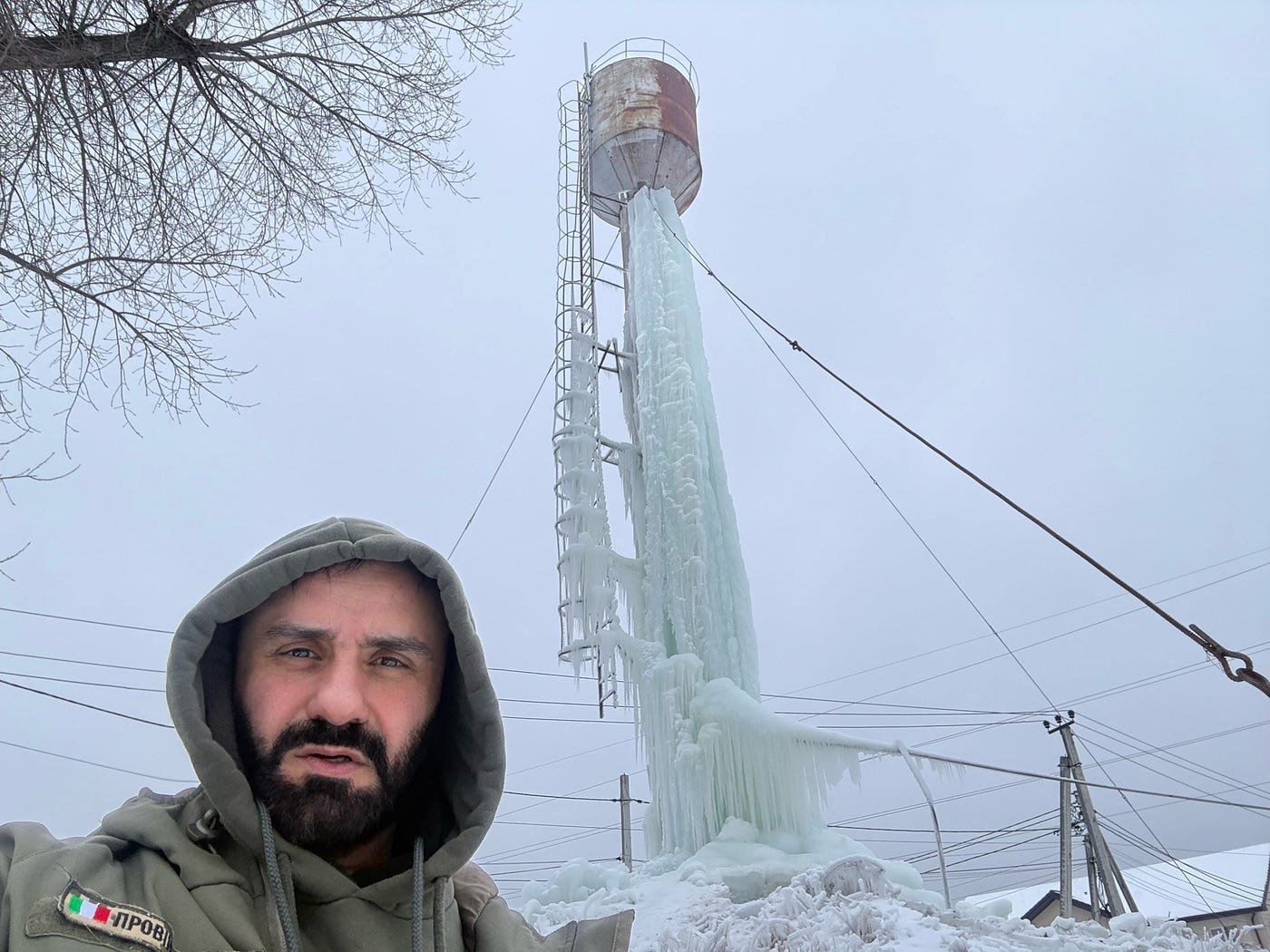
(圖:我昨日在基輔霍斯托梅爾拍下了這張極具衝擊力的照片 ——版權所有,Giorgio Provinciali)
還需說明的是,即便對稱性地實施能源停火,也會不成比例地有利於俄羅斯。近幾個月來,烏克蘭對俄方煉油廠、油庫和能源分配樞紐的選擇性打擊已造成直接且可量化的經濟損失,影響了煉油能力、燃料出口與國內稅收流入。在強度與速度上,這些影響比西方製裁更為顯著——後者往往可被規避或效果延遲。凍結這種壓力將恢複莫斯科的工業與財政複原空間,穩定直接支撐戰爭的能源收入,並削弱基輔為數不多能夠有效地打擊俄國戰爭機器經濟命脈的非對稱工具之一。
自普京在華盛頓的發言人,唐納德川普所吹噓的“成功”的鬧劇生效以來,烏克蘭警方在基輔及幾乎所有地區已接獲超2000起炸彈威脅舉報:文尼察、沃倫、第聶伯羅彼得羅夫斯克、頓涅茨克、外喀爾巴阡、紮波羅熱、伊萬諾?弗蘭科夫斯克、基洛沃格勒、利沃夫、尼古拉耶夫、敖德薩、波爾塔瓦、裏夫內、蘇梅、捷爾諾波爾、哈爾科夫、赫梅利尼茨基、切爾卡瑟、切爾尼戈夫。有報告政府機構、學校和企業被安置了炸彈,幾乎使整個國家陷入停擺。
與此同時,莫斯科將攻擊重心轉向烏克蘭後勤體係,還襲擊了位於哈爾科夫的一家美國公司以及在赫爾鬆一輛載客公交車。
確實是“一次成功”。美式製造。
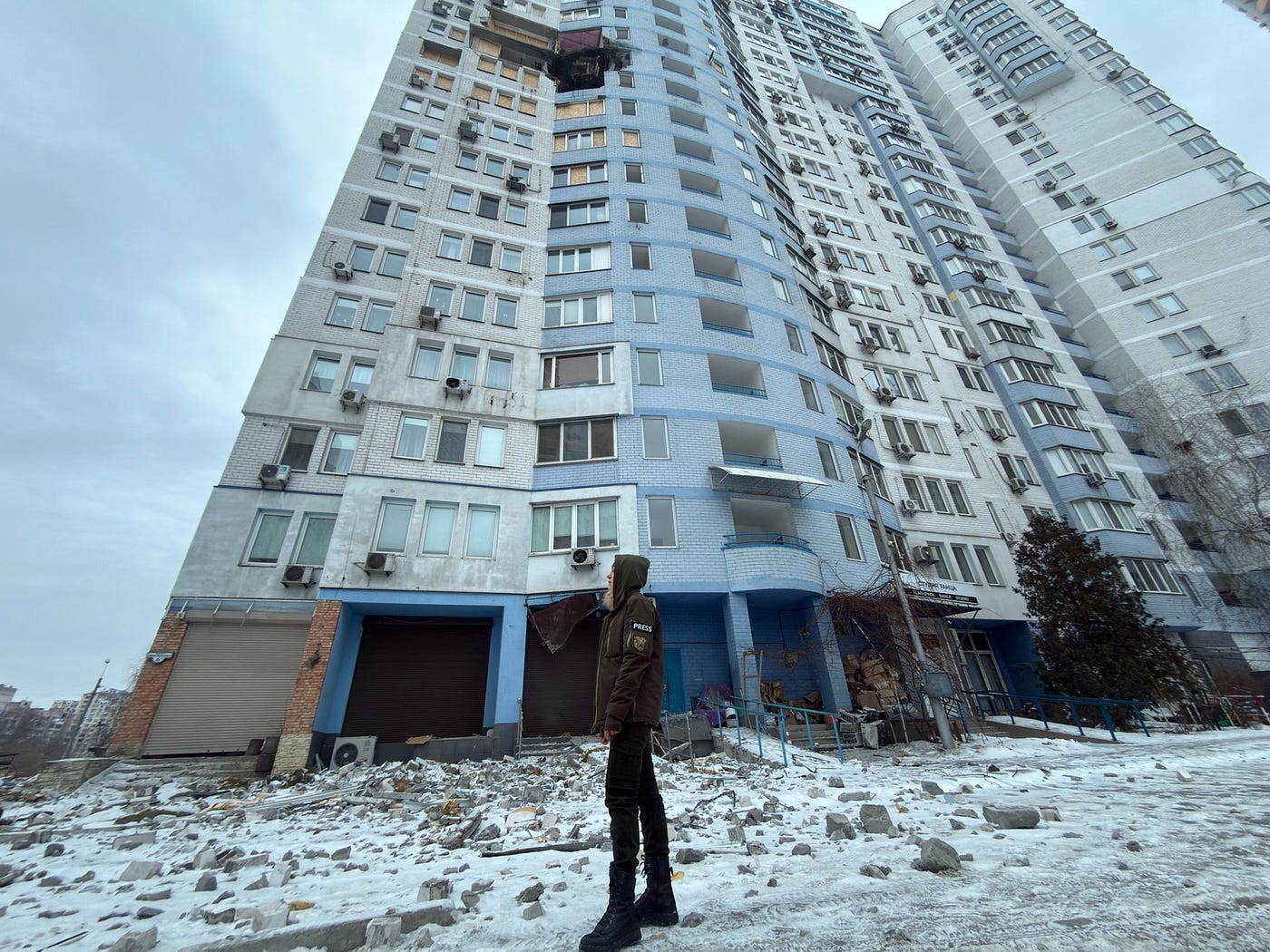
(圖:我在撰寫本文前片刻在基輔拍下的這張照片——版權所有,Giorgio Provinciali)
***
持續的停電嚴重損壞了我們在烏克蘭西部的家中的供暖係統,而我們當時就在頓巴斯。
沒有電,點著的爐火無法通過水泵循環熱水。結果,係統起火,整個房子麵臨著燒毀的風險。幸而未被燒毀,但整個係統需要更換,房子也需要修複。管道都是歪的,牆壁被煙霧熏黑,供暖係統無法正常工作,需要徹底更換。
我們正在盡最大努力,因為Alla的父母住在那裏,但這裏還有許多工作要做,周圍的人處境也好不到哪兒去。
我們正在重啟籌款活動,感謝每一位支持我們修複被俄羅斯摧毀一切的朋友。即使是小額捐款也有幫助。我們會及時更新進展。
感謝大家,朋友們。
如果你相信我們的工作,請支持我們
在過去的三年裏,我們一直在烏克蘭戰爭的各個前線進行報道……
https://www.paypal.com/pools/c/9lP2mIk7Nk


