Front And Rearways In Modern Warfare
By: Giorgio Provinciali
Love from Ukraine
Synelnykove – Although the Russian army is essentially stationary in positions that, like Pokrovsk, are about 50 kilometers far from where they were twelve years ago, cities like this one – which is 150 kilometers far from the current contact zone – are subjected to near-constant attacks daily. The scene in Synelnykove is almost ground zero: the roofs of most of its houses are torn apart or patched up with tarpaulins provided for humanitarian purposes by international organizations and volunteer groups, while the more imposing buildings are mostly eroded or completely destroyed by bombs.
As described yesterday in Pavlohrad, the last years of the war here too show that physical control of the terrain is no longer the sole metric of operational success.
Moscow can, in fact, remain virtually immobile along certain lines while increasing the depth of engagement, persistence on target, and saturation density.
As we have also reported in videos (available on the YouTube channel of the Italian newspaper “La Ragione”) from various sides of the front, the result is an artificial expansion of the kill zone, which is no longer limited by the mere range of multirotor radio frequency (≈ 20 km) or fiber optic (≈ 50 km) drones, as they are in turn released by other, larger vectors to locations more than 200 km far from the contact zones.
This blurring of the distinction between front and rear areas puts constant pressure on the population – especially civilians – far from the front, with the aim of eroding their resilience. The Russian Air Force initially launched its drones over Synelnykove to paralyze the railway, energy, and logistics infrastructure. As we have documented in our previous video reports, the success of those strikes was extremely limited and confined to short time frames, which the Ukrainians further reduced by restoring the station and railway tracks in record time and adopting alternative measures, such as using coal to fuel locomotives and power plants, as well as production facilities and heating systems. Furthermore, Ukraine has invested in decentralization and technological innovation.
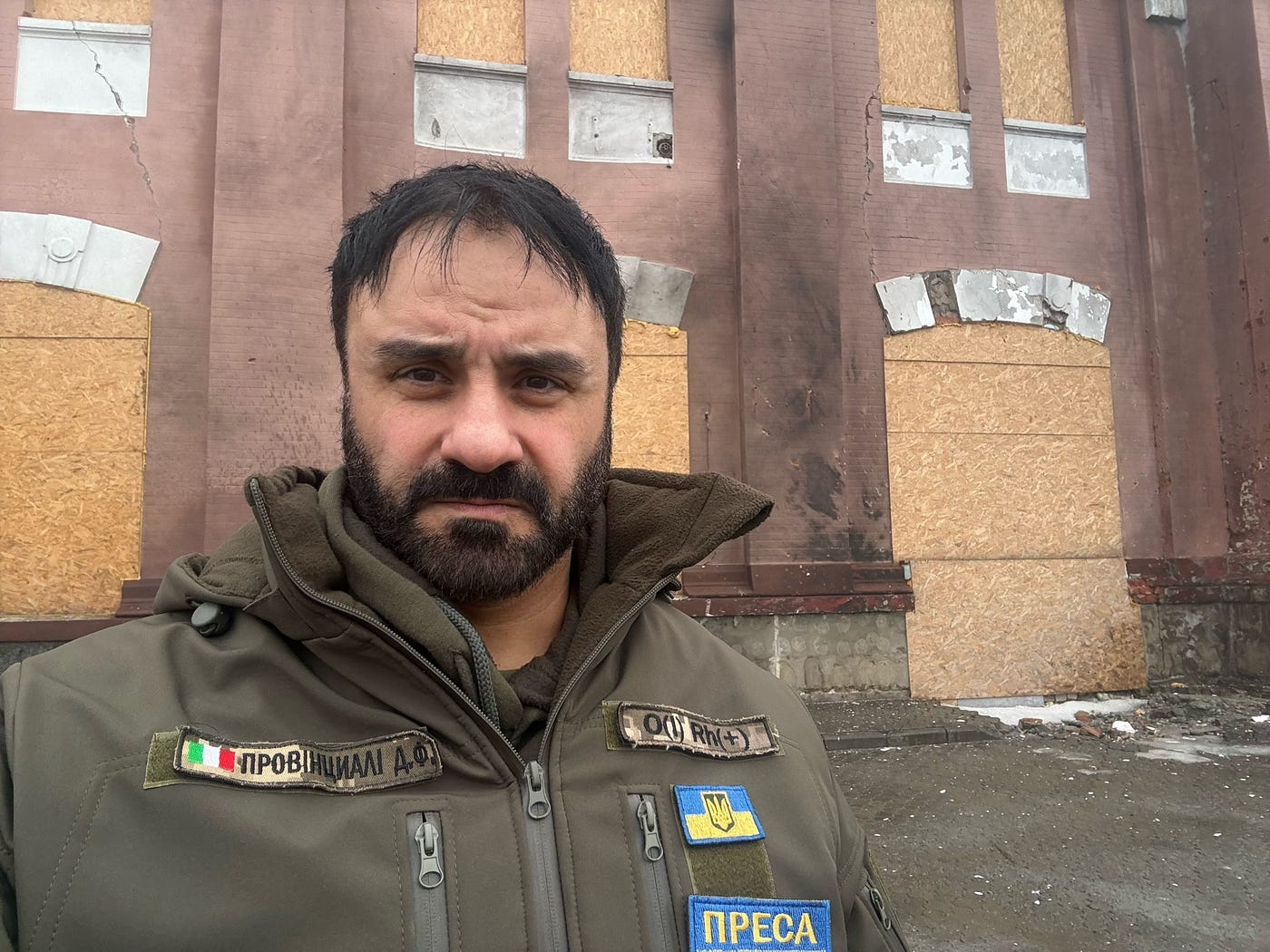
The subsequent waves of Russian strikes have been aimed at disrupting civilian life. Moscow’s air force targeted local businesses, administrative buildings, apartment buildings, and individual homes not only to degrade Ukrainian military capacity but also to terrorize the civilian population.
The desertification of areas as far as 150 km from the contact zones fuels an illusion, still measurable in square kilometers, that the Kremlin has now adapted to modern warfare: control rather than occupation.
What we are experiencing has therefore already become a network war that erases distances, making unconquered areas uninhabitable.
It’s not so much Russian soldiers on the ground who are advancing, but rather their technology – primarily Chinese, but also incorporating Western components – despite the various economic sanctions packages adopted so far, which have attempted to limit Moscow’s purchasing and productive power without, however, impacting its core business of selling fossil fuels.

While Russia’s ability to advance territorially is very limited, its capacity to deploy deep-lying fire has grown exponentially.
Since 2014, the war in Donbas has been fought primarily with artillery, and since 2022 with increasingly infantry and armored units. In 2026, guided glide bombs, cruise and ballistic missiles, and, above all, drones will have the greatest impact. The technical capabilities of what until a few months ago were considered short-range versions of these devices have progressively expanded to the point of obliterating the very concept of a rear-line presence. Multirotor drones are used both as loitering munitions and as sentries. Once landed on the ground or at a convenient elevated position, they can wait for weeks on standby before striking their intended target, which is not necessarily a military vehicle but could also be an ambulance, a van loaded with humanitarian aid, or a press car like ours. This has extended the concept of the kill zone well beyond the positions where the Russians have managed to establish more or less permanent footholds.
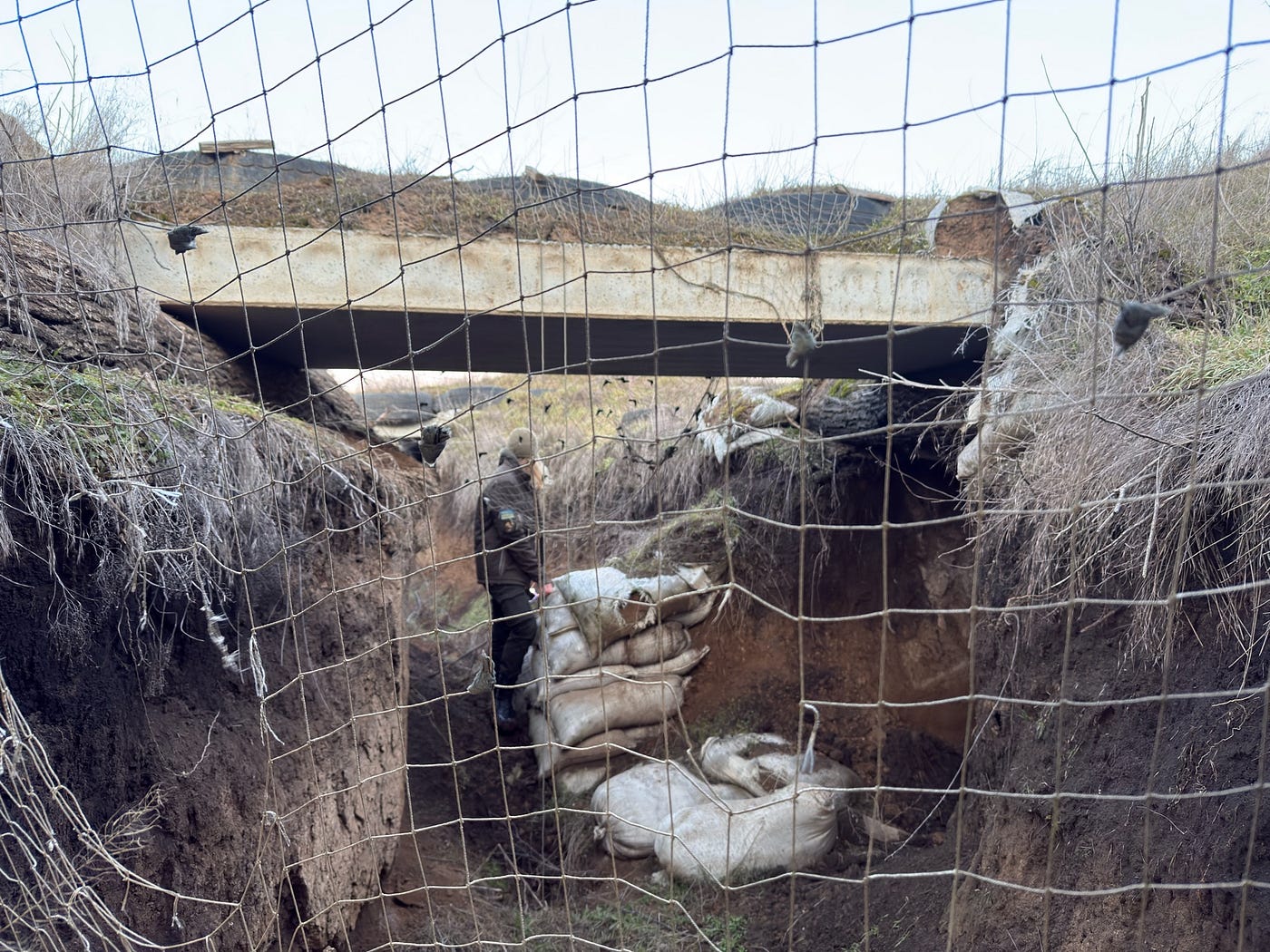
Similarly, the ability to launch long-range strikes has also grown, as long-range, high-explosive drones now produce almost the same effect as other, much more expensive cruise missiles, with the difference that they, in turn, are increasingly being used to carry other, even more selective, weapons of death.
This is the case in Synelnykove, which, despite being so far from the most critical areas of the front, is itself becoming a kill zone. Only yesterday, Ukrainian containment measures allowed the elimination of two Russian FPV drones, controlled from a full 150 km away by operators who, strictly speaking, are perhaps inappropriate to call soldiers today.
However, limiting the idea that Moscow is not advancing to a flag raised over the rubble of a large city would be a huge misjudgment.
Russia’s territorial stagnation – evident along axes such as Pokrovsk – is not a denial of its offensive capacity but rather a sign of a different way of exerting power: no longer, or not primarily, maneuver, but rather the technological projection of deep fire. It’s a model that, in updated form, recalls the transformation already seen in Donbas between 2014 and 2015: back then, Grad, Uragan, and tubular artillery transformed cities like Debaltseve or Avdiivka into permanent friction zones; today, it’s the integration of drones, glide bombs, and civilian networks that dissolves the very concept of rear areas.

The ongoing blackouts severely damaged our house’s heating system in Western Ukraine while we were in the Donbas.
Without electricity, the pump couldn’t circulate the liquid while the fire was lit. As a result, the system caught fire, and the whole house was at risk of burning. Fortunately, it did not, but the whole system needs to be changed, and the house needs to be restored. Tubes are all bent, walls are blackened by haze, and the heating system doesn’t work, requiring an entirely new system.
We are doing our best since Alla’s parents live there, but there’s still a lot to work on here, too, as the people around us are in no better situation.
We’re renewing our fundraising campaign and thanking everyone who joins us in helping us restore what Russia is destroying. Even a small donation helps. We’ll keep you updated on developments.
Thank you all, dear friends
現代戰爭中的前線與後方
作者:Giorgio Provinciali
翻譯:旺財球球
烏克蘭前線報道
辛涅利科沃 —— 雖然俄羅斯軍隊基本上在陣地上停滯不前,那些陣地(如波科夫斯克)距離十二年前其所在位置大約相距50公裏,但像辛涅利科沃這樣距離當前接觸帶約150公裏的城市,仍每天幾乎不斷遭受襲擊。辛涅利科沃的場景幾乎可稱 “震中”:大多數民房的屋頂被掀開或用國際組織與誌願團體提供的人道主義防水布臨時修補,而較為宏大的建築多被炸蝕或完全毀壞。
正如我們昨天在帕夫洛赫拉德所描述的,這裏的戰爭近年同樣表明,對地麵的實際控製已不再是衡量作戰成功的唯一標準。
莫斯科實際上可以在某些戰線上保持幾乎靜止的態勢,同時提升打擊深度、延長目標持久性並提高飽和打擊密度。
正如我們在意大利報紙《La Ragione》YouTube 頻道發布的多方前線視頻所示,結果是殺傷區域的人為擴展,這一區域不再僅受多旋翼無線電頻率無人機(≈20公裏)或光纖無人機(≈50公裏)射程的限製,因為這些無人機又由其他更大的運載載具投放到距接觸帶200多公裏之外的地點。
這種前線與後方界限的模糊對遠離前線的民眾——尤其是平民——施加持續壓力,目的是削弱他們的抗壓能力。俄空軍最初對辛涅利科沃發動無人機打擊,意在癱瘓鐵路、能源與後勤基礎設施。正如我們在以往的視頻報道中記錄的那樣,那些打擊的成效非常有限並且僅持續短暫時間,而烏克蘭方麵通過創紀錄的速度修複車站與鐵軌並采取替代措施,例如用煤為機車和發電廠、以及生產設施和供暖係統供能,進一步縮短了影響時效。此外,烏克蘭還在去中心化與技術創新。
(圖:我在烏克蘭辛涅利科沃的火車站,該站曾被俄軍擊中兩次——版權所有,Giorgio Provinciali)
隨後幾波俄方打擊則旨在擾亂民眾生活。莫斯科空軍將矛頭指向了當地商業、行政樓、公寓樓與單戶民宅,不僅為了削弱烏克蘭的軍事能力,更在於恐嚇平民。
即便距接觸帶150公裏之遠的區域也出現了荒蕪化,在若幹平方公裏尺度上仍會滋生一種錯覺,即克裏姆林宮已適應現代戰爭:控製而非占領。
我們所經曆的已然成為一種抹除距離的網絡化戰爭,使未被征服的地區變得無法居住。
不是地麵上的俄軍士兵在推進,而是他們的技術在進步——以中國製造為主,但也包含西方零部件——盡管迄今為止已有多輪經濟製裁試圖限製莫斯科的采購與生產能力,但並未觸及其銷售化石燃料這一核心經濟命脈。
(圖:Alla在波科夫斯克後方報道 ——版權所有,Giorgio Provinciali)
盡管俄軍在地麵上推進的能力非常有限,其部署遠程火力的能力卻呈指數級增長。
自2014年以來,頓巴斯戰爭主要以炮兵為主,自2022年起步兵與裝甲部隊的比重逐漸增加。到2026年,製導滑翔炸彈、巡航和彈道導彈,尤其是各類無人機,將產生最大的影響。幾個月前還被視為短程版本的這些裝備,其技術能力逐步擴展到幾乎抹除後方存在這一概念的程度。多旋翼無人機既被用作自殺式彈藥,也被用作哨兵。一旦降落在地麵或某個有利的高處,它們可以待命數周,然後再發動打擊,目標未必是軍用車輛,也可能是救護車、載有人道物資的貨車,或像我們這樣的新聞車。由此,殺傷區的概念被遠遠延伸,超出了俄方已建立或多或少保持的陣地範圍。
(圖:當我們在曾經被稱為“零點”的戰壕裏報道時,我拍下了Alla這張照片,現在,這個概念已被顛覆 ——版權所有,Giorgio Provinciali)
同樣,發動遠程打擊的能力也在增強,如今遠程高爆無人機幾乎能產生與更加昂貴的巡航導彈相近的效果,不同之處在於這些無人機又越來越多地被用來攜帶更具選擇性的致命武器。
辛涅利科沃便是這種情況,盡管離前線最關鍵的地區甚遠,但它本身正在成為一個殺傷區。就在昨天,烏克蘭的遏製措施成功擊落了兩架從150公裏外操控的俄製FPV無人機,那些遠程操作者如今在嚴格意義上被稱為士兵也許並不貼切。
然而,如果將莫斯科未能推進基於一麵在大城市廢墟上插上的國旗的理解,那將是重大誤判。
俄羅斯在諸如波科夫斯克等軸線上的領土停滯,並不否認其進攻能力,而是表明其行動重點方式發生了變化:不再主要依靠機動作戰,而是依靠縱深火力的技術投射。這一模式在更新後的形式上,令人聯想到2014–2015年頓巴斯已顯現的轉變:當時,喀秋莎(Grad)、颶風(Uragan)和管狀火炮將德巴爾采沃或阿夫迪伊夫卡等城市轉為持久摩擦區;今天,是無人機、滑翔炸彈與民用網絡的整合,消解了後方區域的概念。
(圖:我在辛涅利科沃為本文報道之前片刻 ——版權所有,Giorgio Provinciali)
***
持續的停電嚴重損壞了我們在烏克蘭西部的家中的供暖係統,而我們當時就在頓巴斯。
沒有電,點著的爐火無法通過水泵循環熱水。結果,係統起火,整個房子麵臨著燒毀的風險。幸而未被燒毀,但整個係統需要更換,房子也需要修複。管道都是歪的,牆壁被煙霧熏黑,供暖係統無法正常工作,需要徹底更換。
我們正在盡最大努力,因為Alla的父母住在那裏,但這裏還有許多工作要做,周圍的人處境也好不到哪兒去。
我們正在重啟籌款活動,感謝每一位支持我們修複被俄羅斯摧毀一切的朋友。即使是小額捐款也有幫助。我們會及時更新進展。
感謝大家,朋友們。
如果你相信我們的工作,請支持我們
在過去的三年裏,我們一直在烏克蘭戰爭的各個前線進行報道……
https://www.paypal.com/pools/c/9mFvpzKUrU

