



Why Ukraine Is in Its Strongest Position in Ten Months
By: Giorgio Provinciali
Live from Ukraine ????????
Donetsk Oblast During an interview for The Times of Londons Frontline program, host Amy Kellogg gave me the chance toexplainfrom the field why based on Ukrainian and British intelligenceassessments many analysts believeUkraine is now in its most favorable position in at least ten months.I found it helpful to share some insights here.
To understand my observations, we must first redefine the very terms of the war. First,this is not a sudden eventbut the result of what Alla Perdei and I have beendescribingfor several months from the field: namely, thattechnology now dominates and broadens the concept of front beyond linearity. Beyond the areas of mutual infiltration (at least 10 km on each side) that characterize the hottest gray zone,it is what happens in what we have calledshades of graythat determines the course of the war.
Risk gradients vary based on ISR (Intelligence, Surveillance, Reconnaissance) coverage, now extending more than 200 km beyond the hottest zones, where the parties electronic air dominance complicates each others logistics. For this reason,today it is more correct to speak in terms of control rather than conquests, offensives, counteroffensives, advances, and retreats. In this context,technology has transformed warfare to such an extent that territorial gains have become less important than control.

As we haveemphasizedmultiple times,Ukraine has an advantage over the Russian Federationbecause it has invested earlier and more effectively. While Moscow relied on Tehran and Beijing, Kyiv worked tirelessly to develop its ownimproved prototypes of all types of aerial and ground drones. While the Russian military exploited systemic flaws to seize thedeniedStarlink systems, the Ukrainian military learned from traumatic experiences like the intelligenceblackoutinKursk and other American betrayals to findinnovative, sustainable, and reliable solutions. While the Moscow Command targeted Ukrainian railway and service stations, the Kyiv Command implementeda logistics revolution. The President of Ukraine and the current Commander-in-Chief of its Armed Forces have made such decisivechangesin this and other military areas that they can be described as providential.

Since taking office in Kyiv, the Zelensky government has started restoring and upgrading the countrys roads, restructuring primary and secondary routes so effectively that it has cut travel times for trucks and car carriers from the western to the eastern regions in half. Without revealing details that could compromise military operations, Oleksandr Syrskyi whom some Italian journalists unfairly criticize in a sterile and decontextualized way has used Ukrainian soil and airspace like no other of his predecessors. He has done so successfully to create theconditions for a large-scale offensivethrough attrition and targeted strikes (such as in the Oleksandrivka-Huliaypole sector, for example) that have allowedthe ЗСУ toregaincontrol over 480 square kilometers of Ukrainian territory since January(asconfirmedby the General Staff and majorthink tanks). Evidence of the effectiveness of these tactics isthe forced redeployment of elite Russian units between Donetsk, Zaporizhzhia, and Kherson.

Syrskyi is well-versed in Soviet doctrine as well as the latest Western techniques and tools. He is skilled at developing a new logistical network. This provides a huge advantage inexploiting the enemys weaknesses. While Ukraine was buildingroads and tunnels, Moscow was moving men and equipment by rail. While Russian generals stuck with the meat grinder technique, Ukrainian generals adopted thedrone grinderapproach. Switching to operating frequencies higher than those detectable by Russian electronic warfare devices, which I recentlymentioned, gave the Ukrainians an additional edge by producingbetter equipment in larger quantities. Additionally, while Russian officers lied to their superiors about conquests that never happened,Ukrainian officers worked to secure controlof those territories. Here too,technology has reshaped the connection between truth and narrative.
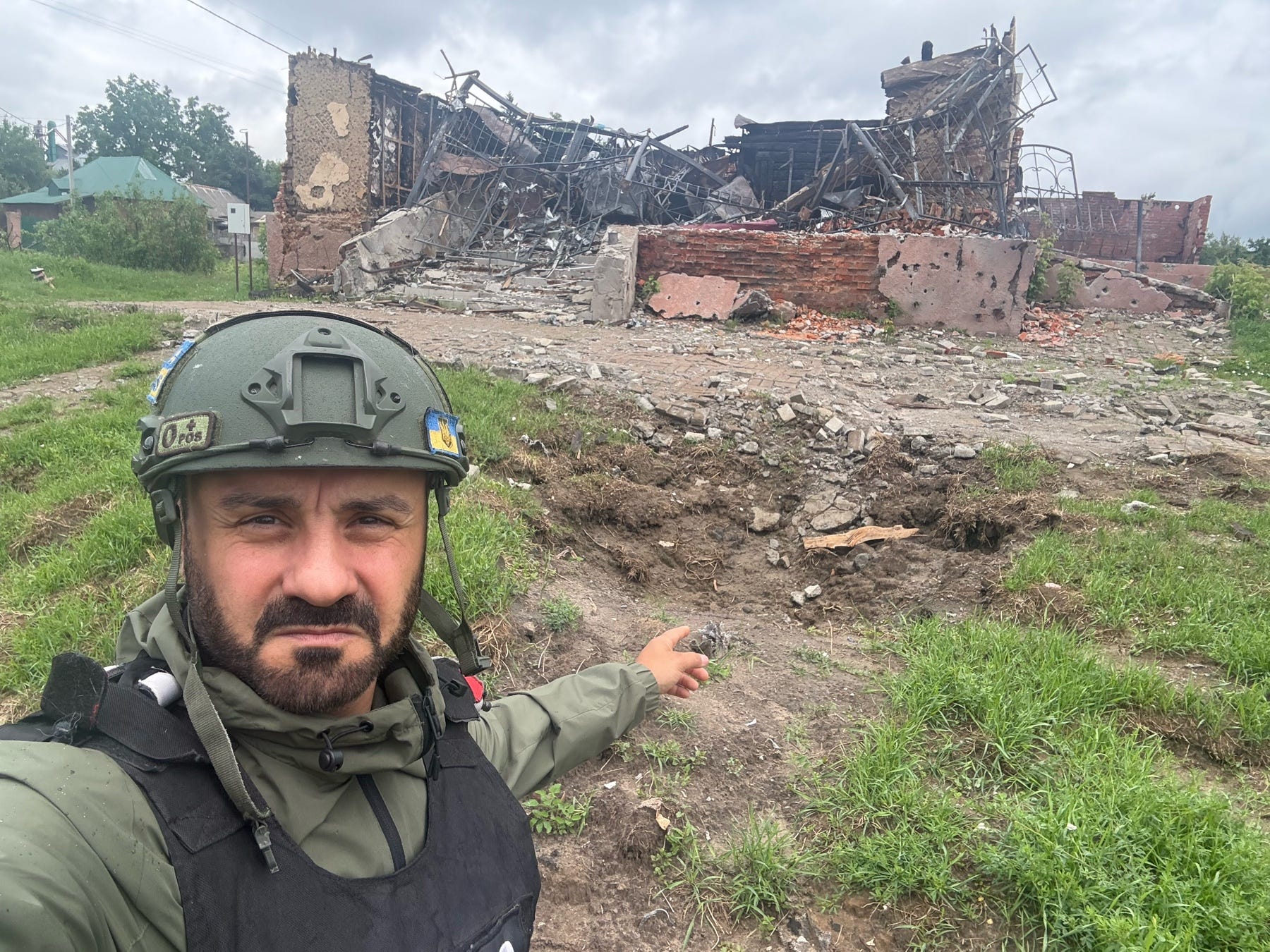
Today, we are not simply facing a Russian tactical setback but a crisis of converting inflicted attrition into territorial gains.
In other words, Moscow keeps fighting with high intensity but struggles to turn that effort into real territory.
March marked the first month in over two years during which it lost more Ukrainian territory than it gained(just 23 km,accordingto ISW). In the first quarter of this year,the occupying forces rate of advance was significantly lowerthan in the same period in 2025. During those months,Russian losses consistentlyexceededrecruitment.
These official statistics highlightthe importance of control over linear conquest.
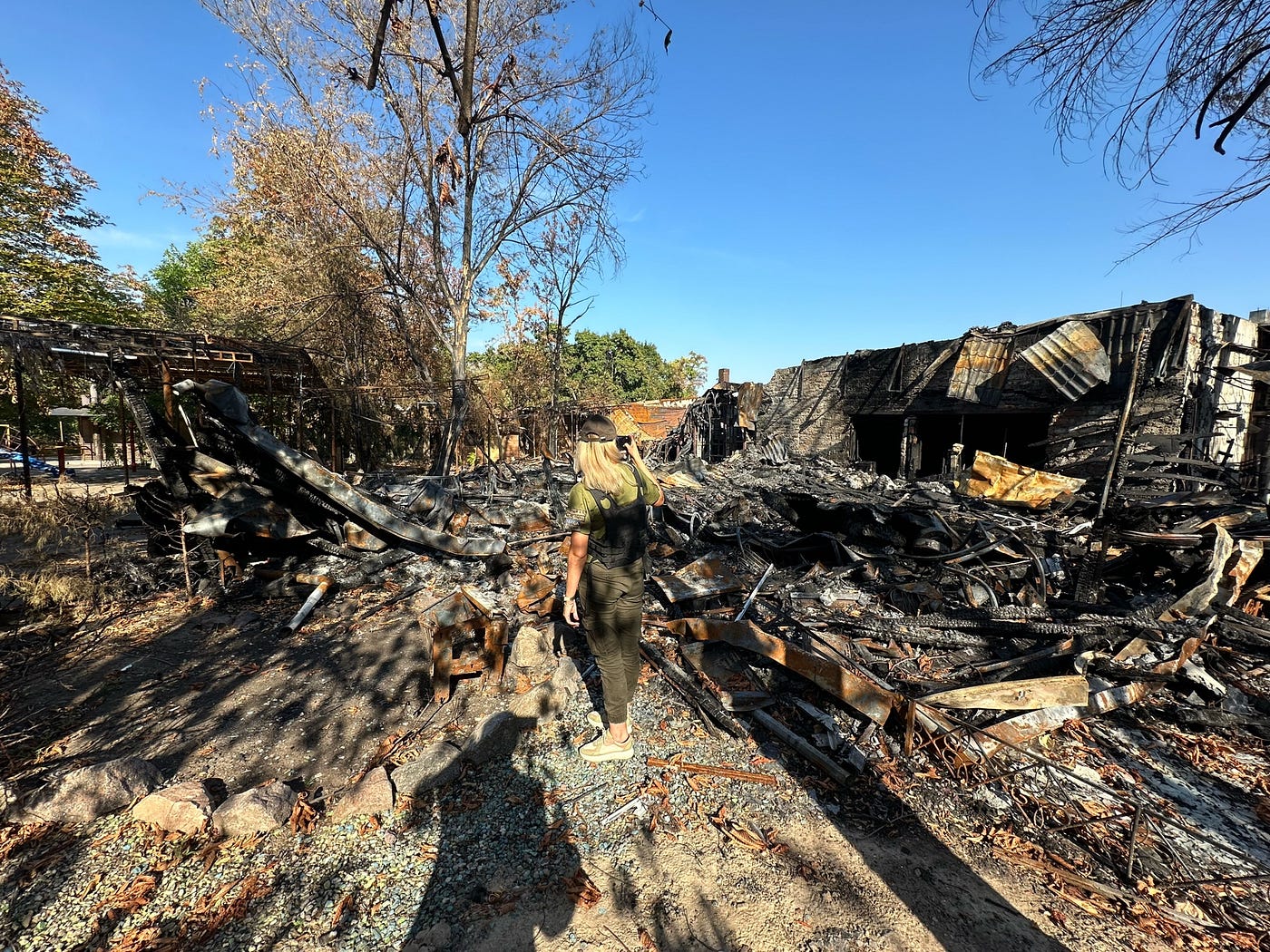
However, the Ukrainian advantage should not be viewed solely through technological innovation on the battlefield but also through the compression of the Russian hinterland. According toGreenreport,ISPI, Il Sole 24 Ore,et al,Ukrainian strikes against enemy oil and port infrastructure have disrupted about 40% of Moscows export capacityandare forcing production cutsthat many analystsdeeminevitable.
This means thatthe war is not being decided solely in the Donbas kill zone, but also inKyivs ability to impose increasing costs on the economic and logistical machine that fuels the Russian offensive.
Moscow responds withdaytime attacksbecause simply striking is no longer enough; it must maintain constant pressure, probing and saturating its anti-aircraft defenses with less predictable patterns. During the day, the population is exposed, and air defenses are more visible, making them more vulnerable to disruption. This is why Ukraine faces continuous attacks from nearly a thousand Russian aircraft every 24 hours.
The way Moscow turned attrition into territorial gains is reaching a crisis point. Kyiv is in a stronger position because it has adapted more effectively. It remains to be seen if the West can do the same before Russia also adjusts.

In 1.500 days of war,we recorded over 250 videos from ground zero and wrote more than 1,500 articles.
We are doing our best to provide genuine, first-hand reports from zones where almost no press dares to go. This means living in a kill zone constantly. We take the risk, but without your invaluable support, our voices would remain unheard and silent. Without brave people sharing our articles from afar, they would remain unread. Our reports would go unseen, and our efforts would be lost. Theres still a lot of work to do here, as the people around us are also in no better situation.
Were renewing ourfundraising campaignand thanking everyone who joins us in helping to restore what Russia is destroying. Moving forward with only a small reimbursement for each article from a brave newspaper that believes in us is extremely challenging. Thats why we are grateful to all the kind people who support us and trust in our mission.
Even a small donation helps.
Well keep you updated on developments.
Thank you all, dear friends ????????
為什麽烏克蘭正處於十個月來最有利的位置
作者:Giorgio Provinciali
翻譯:旺財球球
烏克蘭前線報道????????
頓涅茨克州在接受《泰晤士報》前線節目采訪時,主持人艾米凱洛格給了我一個機會,從前線解釋為何基於烏克蘭與英國情報部門的評估,許多分析人士認為烏克蘭如今處於至少十個月以來最有利的戰場態勢。我認為,有必要在此分享一些見解。
(圖:我與Alla在一條烏克蘭戰壕內報道????????版權所有,Giorgio Provinciali)
要理解我的觀察,首先必須重新定義這場戰爭的基本概念。首先,這並非突發事件,而是阿拉佩爾代伊和我在過去數月在前線一直描述的結果:即技術如今主導並拓寬了前線的概念,使其不再是線性的。除了雙向各延伸至少10公裏、以最激烈的灰色地帶為特征的雙方滲透區外,決定戰爭走向的是我們所稱的灰色陰影中的發展。
風險梯度因情報、監視與偵察(ISR)覆蓋範圍變化而變化,現在已延伸到比最熱戰區之外200公裏,雙方對電子空中優勢的爭奪不斷削弱對方的後勤能力。因此,如今更恰當的說法是控製而非僅僅是攻占、進攻、反攻、推進或後撤。在這種語境下,技術已將戰爭改變到如此程度,使得領土收益不及控製力重要。
(圖:我與阿拉在烏克蘭赫爾鬆報道????????版權所有,Giorgio Provinciali)
正如我們多次強調的,烏克蘭相較於俄羅斯聯邦具有優勢,因為它更早、更有效地進行了技術投入。當莫斯科依賴德黑蘭和北京時,基輔不懈地致力於開發自己的各種改良型空中與地麵無人機原型。俄軍利用體係性漏洞獲取被禁用的星鏈係統時,烏克蘭軍方則從庫爾斯克的情報中斷以及其他美方背棄等痛苦經曆中汲取教訓,開發出創新、可持續且可靠的解決方案。當莫斯科軍方攻擊烏克蘭的鐵路與服務樞紐時,基輔指揮部則推動了一場後勤革命。烏克蘭總統和現任武裝部隊總司令在這一及其他軍事領域所做的決定性改變可謂是天意般至關重要。自澤連斯基政府上任以來,基輔開始修複並升級全國道路,重構主幹與次幹路線,使卡車和車載運輸從西部到東部的行程時間縮短了一半。在不泄露可能危及軍事行動的細節的前提下,奧列克桑德西爾斯基一些意大利記者對他進行了不切實際和脫離語境的不公正批評比他的前任更善用烏克蘭本土與領空。他成功通過消耗戰和定點打擊(例如在奧列克桑德裏夫卡胡利亞波爾一帶)創造了發動大規模攻勢的條件,使烏克蘭武裝力量自今年一月以來收複了約480平方公裏的烏克蘭領土(由總參謀部及主要智庫證實)。這些戰術有效的證據還包括,俄方精銳部隊在頓涅茨克、紮波羅熱與赫爾鬆之間被迫重新部署。
(圖:一些用於探測空中無人機的電子對抗設備安裝在我身後的車輛上版權所有,Giorgio Provinciali)
Syrskyi既精通蘇聯軍事學說,也熟悉最新的西方技術與工具。他擅長構建新的後勤網絡,這在利用敵方弱點方麵提供了巨大優勢。當烏克蘭在修路和挖掘通道時,莫斯科仍依賴鐵路調動人力與裝備。當俄羅斯將軍堅持絞肉機戰術時,烏克蘭將領采用了無人機絞肉機策略。切換到俄羅斯電子戰設備難以探測的更高頻段,如我前文所述,使烏方通過更先進、更大規模的裝備生產獲得額外優勢。此外,當俄方軍官向上級謊報並不存在的占領時,烏方軍官致力於鞏固對實控區域的控製。在這裏,技術同樣重塑了真想與敘述之間的關係。
(圖:我與阿拉在烏克蘭蘇梅報道版權所有,Giorgio Provinciali)
今天,我們看到的並非僅是俄軍的戰術挫折,更是其將消耗成本轉為領土收益的能力正在陷入危機。
換言之,莫斯科仍在以高強度作戰,但難以將這種努力轉化為實際領土上的收益。
據ISW統計,三月是兩年多來首次俄軍失去的烏克蘭土地超過其奪取的月份,僅23平方公裏。今年第一季度,俄占軍的推進速率明顯低於2025年同期。在那些月份裏,俄方傷亡持續超過征召補充。
這些官方統計數據凸顯了控製力相較線性征服的重要性。
(圖:Alla和我在烏克蘭赫爾鬆市中心報道????????版權所有,Giorgio Provinciali)
然而,烏克蘭的優勢不僅來自戰場上的技術創新,還來自對俄羅斯腹地的壓縮。根據Greenreport、ISPI、《太陽報》(Il Sole 24 Ore)等機構,烏克蘭對俄方石油與港口基礎設施的打擊已破壞了莫斯科約40%的出口能力,迫使產量削減,許多分析人士認為這種削減是不可避免的。
這意味著決定戰爭的不僅在頓巴斯的殺戮區,更在於基輔是否能不斷提高支撐俄軍攻勢的經濟與後勤機器成本。
(圖:Alla和我在尼古拉耶夫錄製了這些影像版權所有,Giorgio Provinciali)
莫斯科以白天襲擊作為回應,因為單純打擊已不足以奏效;它必須保持持續壓力,以更不可預測的模式探測並消耗烏方防空體係。在白天,平民處於暴露狀態,防空係統更易被識別,從而更容易遭到幹擾。這也是烏克蘭近乎每天受到約一千架次俄羅斯航空器機持續攻擊的原因。
莫斯科將消耗轉化為領土收益的方式正陷入危機。基輔處於更有利的位置,因為它更有效適應了戰爭。西方是否能在俄羅斯再次調整之前做出改變,則仍有待觀察。
(圖:Alla與Rocky??????????????,一名受傷的烏克蘭士兵????????????烏克蘭在利沃夫為我們的旗幟簽名????????版權所有,Giorgio Provinciali)
***
我們盡最大努力從幾乎沒有媒體敢進入的地帶進行真實的一手報道,這意味著我們長期生活在殺傷區。我們承擔風險,但若沒有你們寶貴的支持,我們的聲音將無從傳出。若沒有遠方的勇敢的人們轉發分享我們的文章,它們將無人問津。我們的報道會被忽視,我們的努力將付諸流水。這裏還有大量工作要做,周圍的人們境況同樣艱難。
我們正在更新籌款活動,感謝每一位加入我們、幫助修複俄羅斯破壞的人們。僅靠一家勇敢的報紙為我們每篇文章支付微薄稿酬以維持前線報道極為困難。因此,我們感激所有支持並信任我們使命的善良人們。
哪怕是小小的捐助也有助益。
我們會持續為你們更新事態進展。
謝謝大家,親愛的朋友們????????
如果你認可我們的工作,請支持我們????????
在過去三年裏,自烏克蘭大規模戰爭爆發以來,作為自由撰稿人,我們一直在烏克蘭戰爭的所有前線進行報道
Paypal捐款鏈接:https://www.paypal.com/pools/c/9nxoMcbYLF