


原文鏈接:https://medium.com/@giorgioprovinciali/4f3bef92bc53?sk=5e29508aa784cf1b92fb72433ec0454d
Ukraine Needs Innovative Aid to Strengthen Its Energy Resilience
By: Giorgio Provinciali
Live from Ukraine ????????
Troieshchyna, Kyiv Starting in its capital, Ukraine faces the challenge of quickly finding solutions to increasingly frequent and prolonged power blackouts caused by Russias inhumane attacks on its civilian infrastructure.
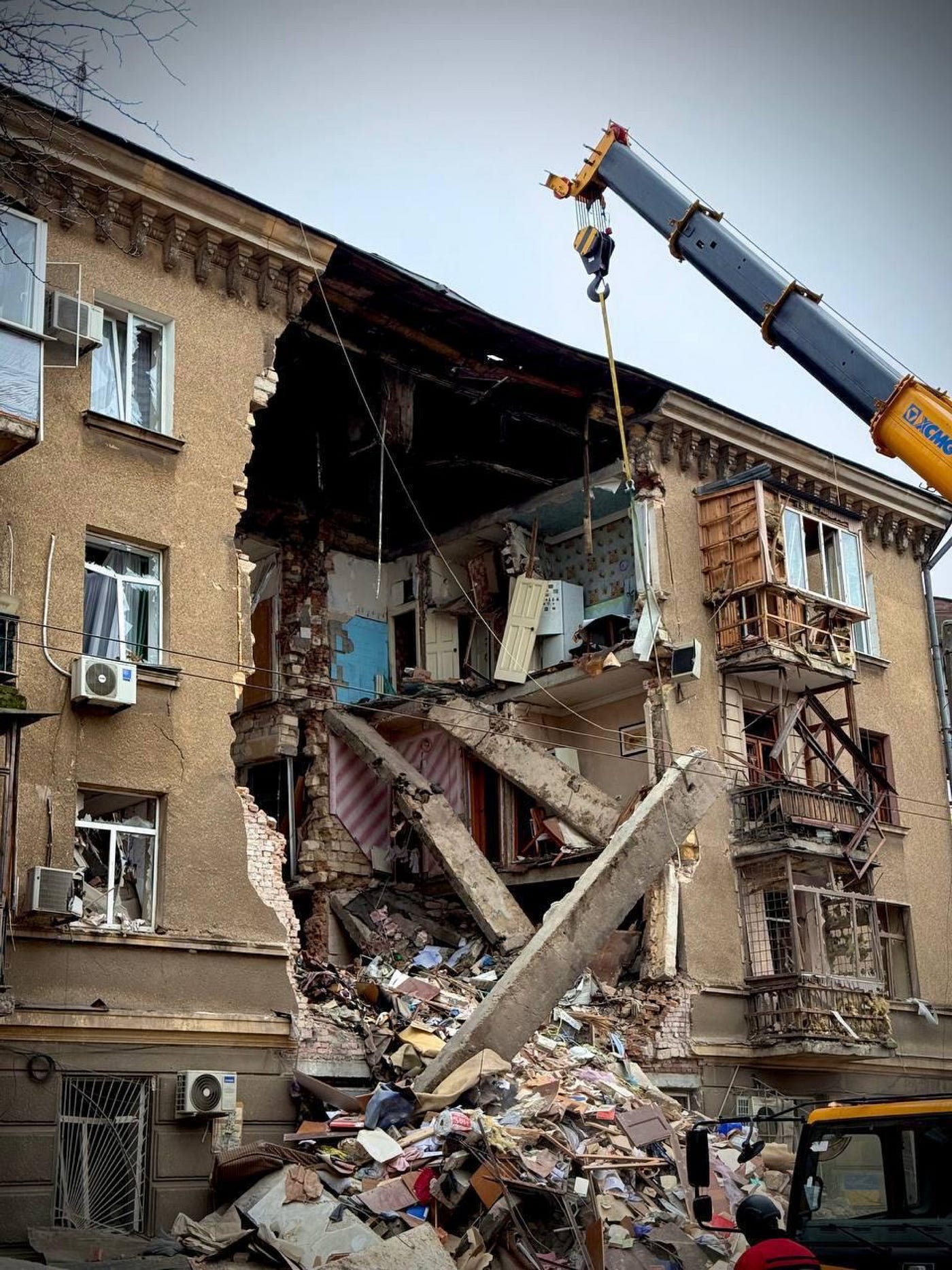
This is one of the most difficult weeks for Ukraines energy system since 2022, as two combined attacks between January 20 and 23 have overloaded it,leavingup to 85% of its customers without power. This continues to occur against the backdrop of severe frost and damage caused by previous bombings, as last night the Russian Federation bombarded the Kyiv region with drones and other missiles of various types, causing at least two deaths and a dozen serious injuries. A few hours earlier, the Russian air force had launched around fifty long-range, high-explosive drones against energy plants and other civilian targets in Odesa, causing dozens more injuries, including children.
While rescue operations continued to extract civilians from the rubble of at least five severely damaged apartment buildings, Russian forces struck a passenger train in Kharkiv, killing five people and injuring many others who were fleeing from Lozova to Lviv in those very carriages. In Smilne, in the latter oblast, following yet another Russian attack, carbon monoxide levels were so high that local authoritiesissueda statement urging residents to stay home, not ventilate their premises, and go out only when absolutely necessary, wearing disposable masks.
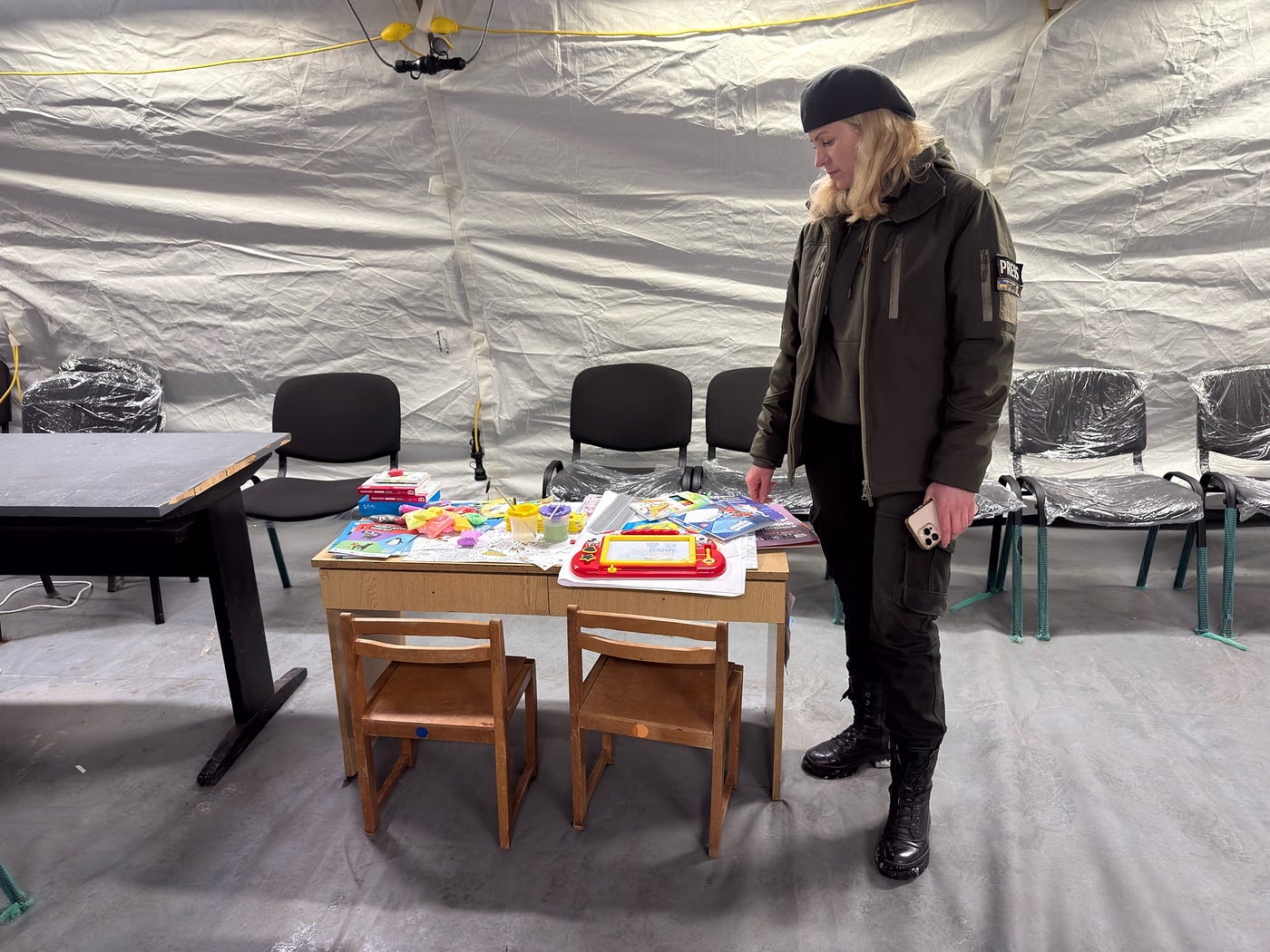
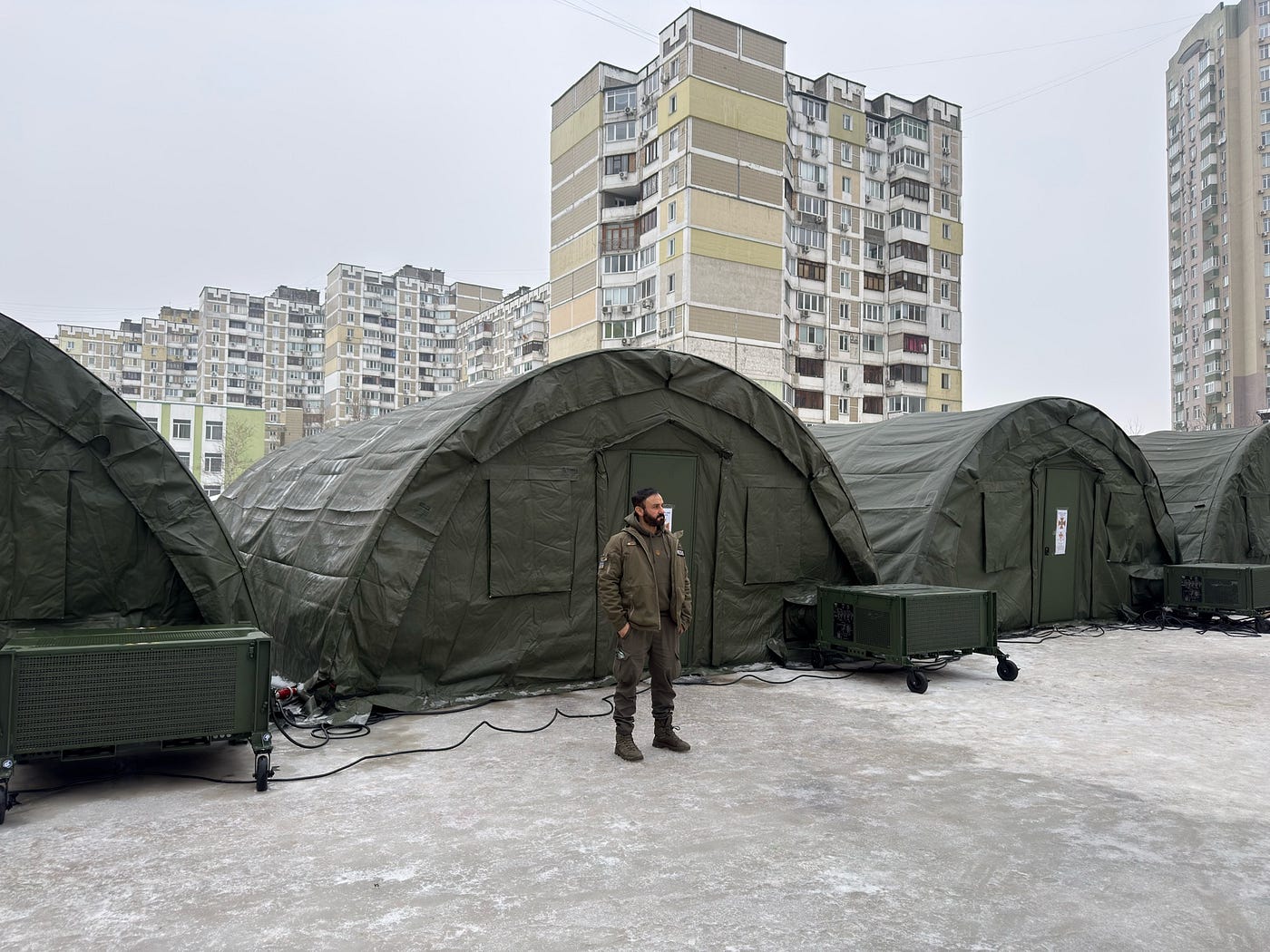
As DTek techniciansobserved,the destruction is colossal. In the district of the capital we are writing from, local authorities have set up around a hundred tents with generators and technical equipment to support the population by providing meals, hot drinks, and a more or less stable internet connection. The video we recorded from some of those neslamnosti punktiv clearly showswhat Russia is bombing: children, the elderly, and disabled people who are already fighting a worse illness, requiring them to continue often complicated therapies inside those shelters.

When electricity returns, many residents simultaneously turn on high-energy devices, such as the heater. This is understandable, given thatthe outside temperature is at least 10 degrees below zero and is expected to drop even further to -25C in a couple of days, as it was up to a few days ago. However, this synchronous reconnection leads to new failures. Therefore,DTek technicians haveaskedthe residents of Troieshchyna toavoid the use of powerful electrical appliances because the local grids have taken on the role of batteries for which they were not designed.
This statement is technically correct and accurately describes what happens to a damaged electrical grid when it is used as if it were intact. Power grids are not designed to store energy but to transport it instantly from generation to load. When they are affected in the manner the Russian Federation aims to that is, by damaging lines, degrading transformers, and affecting generators the capacity to deliver peak power is reduced, the lines equivalent impedance increases, and the grid loses the ability to absorb load transients.
In practice,when power returns, the grid behaves like an elastic, unstable system rather than a rigid backbone. Any sudden increase in load causes localized voltage drops and surges.
The analogy with a battery is strictly inappropriate yet functionally perfect: the grid is forced to buffer rapid load variations without either storage or structural margin.
In neighborhoods like Troieschyna, the problem is more serious becausethis part of the Desnianskyj district has high population density, Soviet-era buildings with outdated internal electrical systems, and heavy reliance on emergency electric heating. Suffice it to say that after theChornobyl disaster, 18,000 people alone flocked here.
Under these conditions, involuntary synchronization of behaviors (everyone turns on when the lights come back on) is almost guaranteed: the grid is subjected to continuous cyclical stress, which causes material fatigue and, therefore, recurring failures.
After gathering several testimonies and pieces of information, we believe it is essential to explain howUkraines partners can help more effectively by providing technological tools that open the way to innovative solutions beyond current practices.
Today, the focus remains on restoring the grid and asking the population to save money. In a context of infrastructure that is already partly decentralized but repeatedly affected, this approach is no longer sufficient.
Equipping the local grid with tools capable of absorbing shocks through intelligent load management, neighborhood electrochemical storage, and thermal storage systems such as PCM tanks (thermal accumulators that use Phase Change Materials to store and release heat) would allow for a structural reduction in the use of impulsive electrical heating, which is currently one of the main causes of cascading failures.
The provision of neighborhood-basedbattery energy storage systems (BESS)would be a direct response to the phenomenon known in power engineering as cold-load pickup (peaks after blackouts).
By 2025,DTek hadinstalledover 67,000 smart meters, and in Ukraine, the penetration of these devices is already significant and growing, as they help temporarily limit power per household (staircase/building/neighborhood) only during the critical window.
Therefore,its not a matter of asking civilians to resist better, but of rethinking the architecture of energy resilience in a country under attack, shifting the focus from individual discipline to the robustness of the infrastructure.
It is on this basis, more than on the number of generators or the rhetoric of emergency, that a decisive part of Ukraines ability to weather the winter without succumbing to Russias strategy of attrition will be played out.
The continuous blackouts severely damaged the heating system of our house in Western Ukraine while we were in Donbas.
Without electricity, the pump couldnt circulate the liquid while the fire was lit. As a result, the system caught fire, and the whole house was at risk of burning. Fortunately, it did not, but the whole system needs to be changed, and the house needs to be restored. Tubes are all bent, walls are blackened by haze, and the heating system doesnt work, requiring an entirely new system.
We are doing our best since Allas parents live there, but theres still a lot to work on here, too, as the people around us are in no better situation.
Were renewing our fundraising campaign and thanking everyone who joins to help us restore what Russia is destroying. Even a small donation helps. Well keep you updated on developments.
Thank you all, friends ????????
烏克蘭需要創新援助以加強其能源韌性
作者:Giorgio Provinciali
翻譯:旺財球球
烏克蘭前線報道????????
特羅耶什奇納,基輔從首都開始,烏克蘭麵臨著迅速尋找應對方案的挑戰,以應對俄羅斯對其民用基礎設施發起的非人道襲擊所導致的愈發頻繁且持續時間更長的停電事故。
這是自2022年以來烏克蘭能源係統最艱難的時段,1月20日至23日期間發生的兩波聯合襲擊使電網超負荷,導致多達85%的用戶斷電。在嚴寒天氣和此前轟炸造成的破壞的背景下,這種情況仍在繼續,俄羅斯聯邦用無人機和各種類型的導彈對基輔地區進行轟炸,造成至少2人死亡、十餘人重傷。幾小時前,俄空軍對敖德薩的能源設施和其他民用目標發射了約五十枚遠程高爆無人機,導致包括兒童在內的數十人受傷。
在救援人員持續從至少五棟嚴重受損的住宅樓廢墟中救出平民之際,俄軍襲擊了哈爾科夫的一列客運列車,造成5人死亡,多名乘客受傷這些乘客正乘坐這輛列車從洛佐瓦撤往利沃夫。在斯米爾內(隸屬上述州),在又一次俄方襲擊後,一氧化碳濃度飆升,當地當局發布通告,敦促居民盡量呆在家中、不要通風、僅在絕對必要時外出並佩戴一次性口罩。
正如DTek技術人員觀察到的,破壞程度驚人。在我們撰寫報道所在的首都轄區,當地政府已經設置了大約一百個配備發電機和技術設備的帳篷,為民眾提供餐食、熱飲以及相對穩定的網絡連接。我們在部分恢複點拍攝的視頻清楚顯示俄羅斯轟炸的對象:兒童、老年人和已患重病、需要在這些避難所中繼續接受複雜治療的殘疾人。
(圖:Alla與一名在烏克蘭基輔的neslamnosti點內避難的婦女交談????????版權所有,Giorgio Provinciali)
當電力恢複時,許多居民會同時開啟高功率電器,例如取暖器。在室外氣溫至少零下10攝氏度並預計在兩天內會進一步降至零下25攝氏度的情況下(正如幾天前所見),這種做法可以理解。然而,這種同步重啟會導致新的故障。因此,DTek技術人員已呼籲特羅耶什奇納居民避免使用大功率電器,因為這樣本地電網要被迫承擔並非它能勝任的電池功能。
從技術上講,這一說法是正確的,並準確描述了在受損電網被當作完好無損使用時會發生的情況。電網並不是用來儲能的、而是將能量從發電端輸送到負載端。當電網遭受俄羅斯聯邦所意圖的那種破壞損壞線路、破壞變壓器、影響發電機其峰值供電能力下降,線路等效阻抗上升,電網吸收負載瞬變的能力喪失。
實際上,當電力恢複時,電網更像是一個彈性的、不穩定的係統,而非堅固的主幹。任何負載的突然增加都會造成局部電壓下降或過衝。
電池的比喻在嚴格意義上並不恰當,但在功能上卻極為貼切:電網被迫在沒有儲能或結構裕度的情況下緩衝快速的負載波動。
(圖:靠近基輔特羅耶什奇納的一個避難所內,Alla和身邊一張兒童課桌,烏克蘭????????版權所有,Giorgio Provinciali)
(視頻:DTek技術人員在工作媒體內容由Ukrinform提供)
在像特羅耶什奇納這樣的社區,問題尤為嚴重。該區屬德斯尼揚斯基區,人口密度高,蘇聯時代建築眾多,室內電氣係統已陳舊,而且居民嚴重依賴應急電加熱。僅切爾諾貝利事故後,就有1.8萬人湧入該地區。
在這種條件下,無意的同步行為,例如當電力恢複時每個人都同時開啟電器,幾乎不可避免:電網承受持續的周期性應力,導致材料疲勞,從而引發反複的故障。
在收集了若幹證詞和信息後,我們認為有必要說明,烏克蘭的合作夥伴可以通過提供開啟創新解決方案的技術工具,超越現有做法,更有效地提供幫助。
目前,關注點仍停留在修複電網並呼籲民眾節約用電。在基礎設施已部分去中心化且屢遭破壞的背景下,這種方法已不再足夠。
應為本地電網配備能夠吸收衝擊的工具通過智能負載管理、社區級電化學儲能和熱儲能係統(例如采用相變材料的熱蓄能罐)可以從結構上減少衝擊式電加熱的使用,而這正是目前引發級聯故障的主要原因之一。
在社區層麵部署的電池儲能係統(BESS)可以直接應對電力工程中所謂的冷負荷重啟現象(停電後恢複供電時出現的峰值)。
到2025年,DTek已安裝超過67,000個智能電表,烏克蘭此類設備的普及率已相當可觀且持續增長,因為它們可以在關鍵時段臨時限製每戶(樓梯間/整棟樓/街區)的用電量。
因此,不應把問題歸結為要求平民更克製,而應重新構想在受襲國家的能源韌性架構,將重點從個人自律轉向基礎設施的穩健性。
正是在這一基礎上,而非僅僅靠發電機數量或應急口號,決定性地影響著烏克蘭能否挺過寒冬,而不被俄羅斯的消耗戰略擊垮。
(圖:本文作者在烏克蘭基輔特羅耶什奇納實地報道????????版權所有,Giorgio Provinciali)
持續的停電嚴重損壞了我們在烏克蘭西部的家中的供暖係統,而我們當時就在頓巴斯。
沒有電,點著的爐火無法通過水泵循環熱水。結果,係統起火,整個房子麵臨著燒毀的風險。幸而未被燒毀,但整個係統需要更換,房子也需要修複。管道都是歪的,牆壁被煙霧熏黑,供暖係統無法正常工作,需要徹底更換。
我們正在盡最大努力,因為Alla的父母住在那裏,但這裏還有許多工作要做,周圍的人處境也好不到哪兒去。
我們正在重啟籌款活動,感謝每一位支持我們修複被俄羅斯摧毀一切的朋友。即使是小額捐款也有幫助。我們會及時更新進展。
感謝大家,朋友們。
????????如果你相信我們的工作,請支持我們????????????
在過去的三年裏,我們一直在烏克蘭戰爭的各個前線進行報道
https://www.paypal.com/pools/c/9lP2mIk7Nk