
戰敗的勝利者
Defeated Victors
By: Giorgio Provinciali
Live from Ukraine
Kherson — Today is Europe Day in Ukraine. In a clear cultural and political break with Soviet tradition and in line with European celebrations, the victory over Nazism in World War II was commemorated here yesterday. The parade is taking place in Russia today because the unconditional German surrender was signed in Central Europe on May 8, 1945, while in Moscow, due to the time difference, it was already May 9. Emphasizing its European identity, Ukraine established the day of remembrance and victory over Nazism three years ago — with the Russian invasion in full swing — so that the sacrifice of its people would be commemorated in stark contrast to the exploitation Russia has made of it.
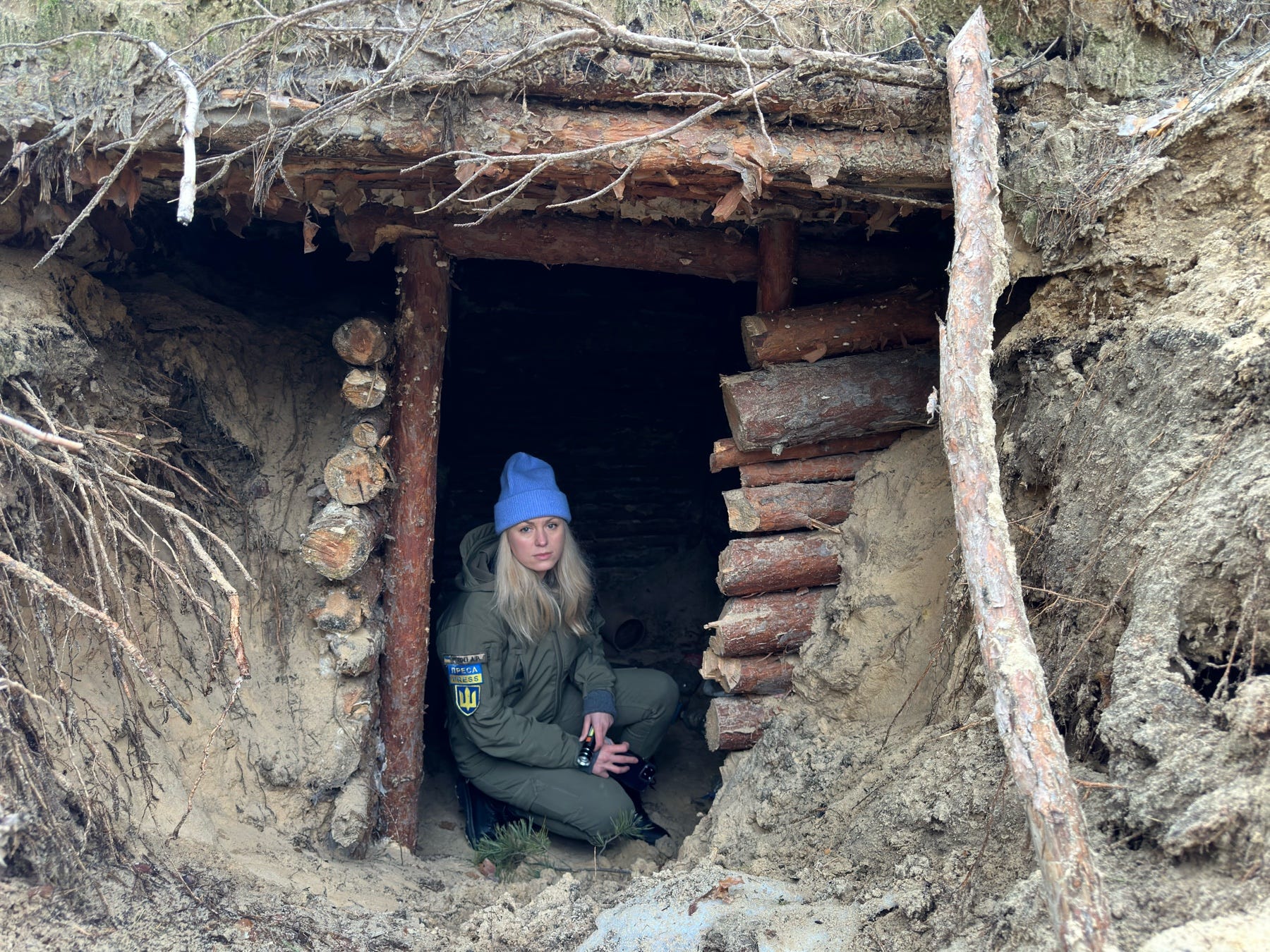
As I noted on these pages on December 23, writing from the trenches where it was waged, Operation Barbarossa in 1941 was fought primarily in Ukraine. Of the 7.5 million Ukrainians who fought in the Red Army, one in two died, and half of the survivors returned as invalids. With that enormous sacrifice, its devastated territory, and its cities transformed into battlefields, Ukraine, exhausted and annihilated, severely curtailed the offensive capacity of the Nazi-Fascist invaders.
Showing the artifacts found in those lands that were crossed, occupied, destroyed, and used as enormous battlefields, I reported — also in video — that alongside the trenches of the Second World War, the Ukrainians had dug new trenches to defend Kyiv in 2022.
The victory over Hitler does not at all demonstrate Moscow’s historical purity, but rather shows how it was able to survive a catastrophe that, if anything, it had helped unleash by using the blood of Ukrainians and other Soviet peoples, and then by canceling the aid of the Western capitalists who had kept it afloat.
Today’s Russian Federation has consistently built its cult of May 9th on a triple appropriation: that of a multinational victory that was also Soviet, erasing the Ukrainian contribution; that of its moral anti-fascist role, erasing the Molotov-Ribbentrop Pact, the partition of Poland, and the Soviet annexations of 1939–1940; and that of military self-sufficiency, erasing Western Lend-Lease, without which the Soviet war machine would have had enormous difficulty transforming resistance, production, and human sacrifice into offensive capacity all the way to Berlin.
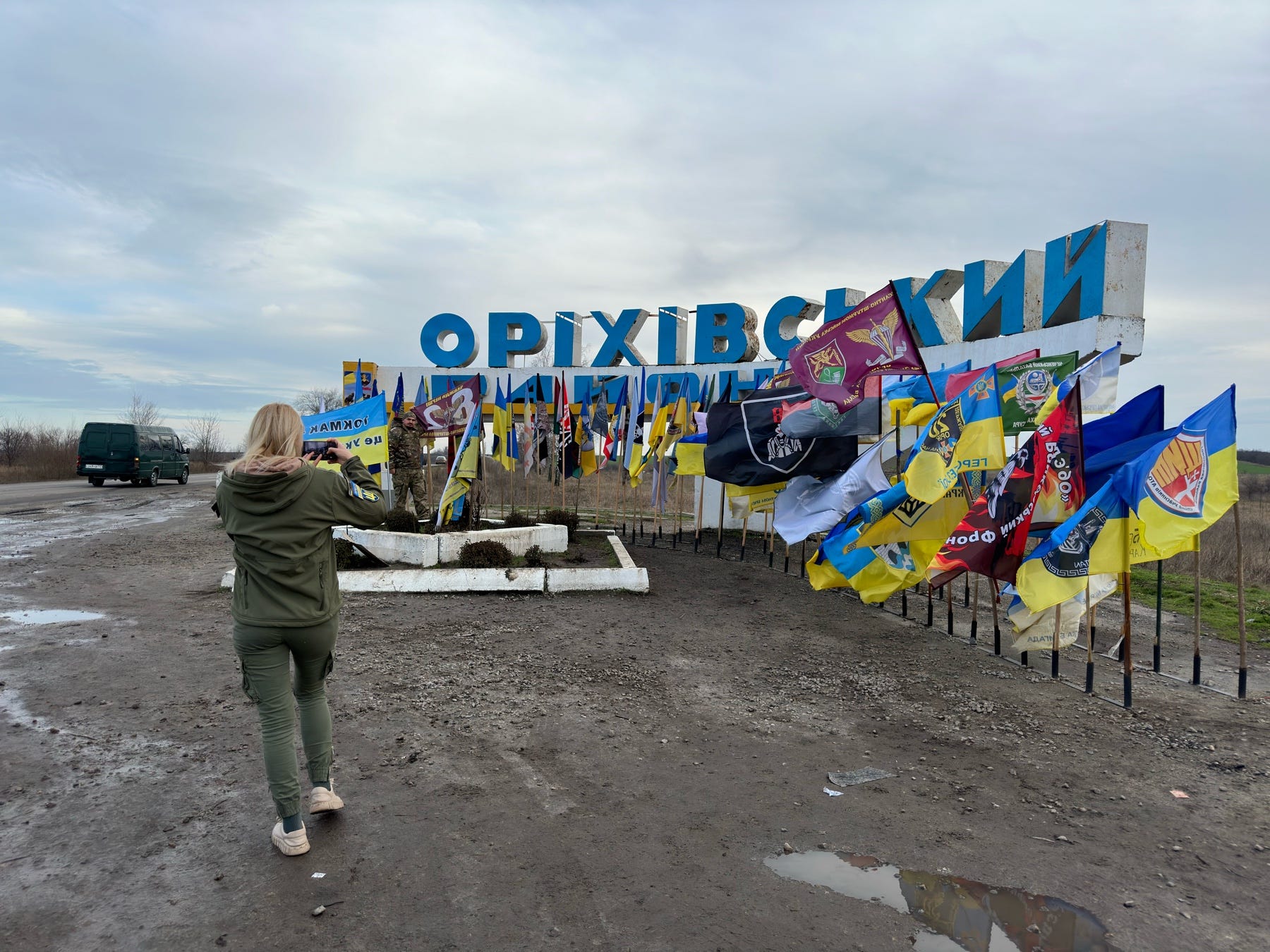
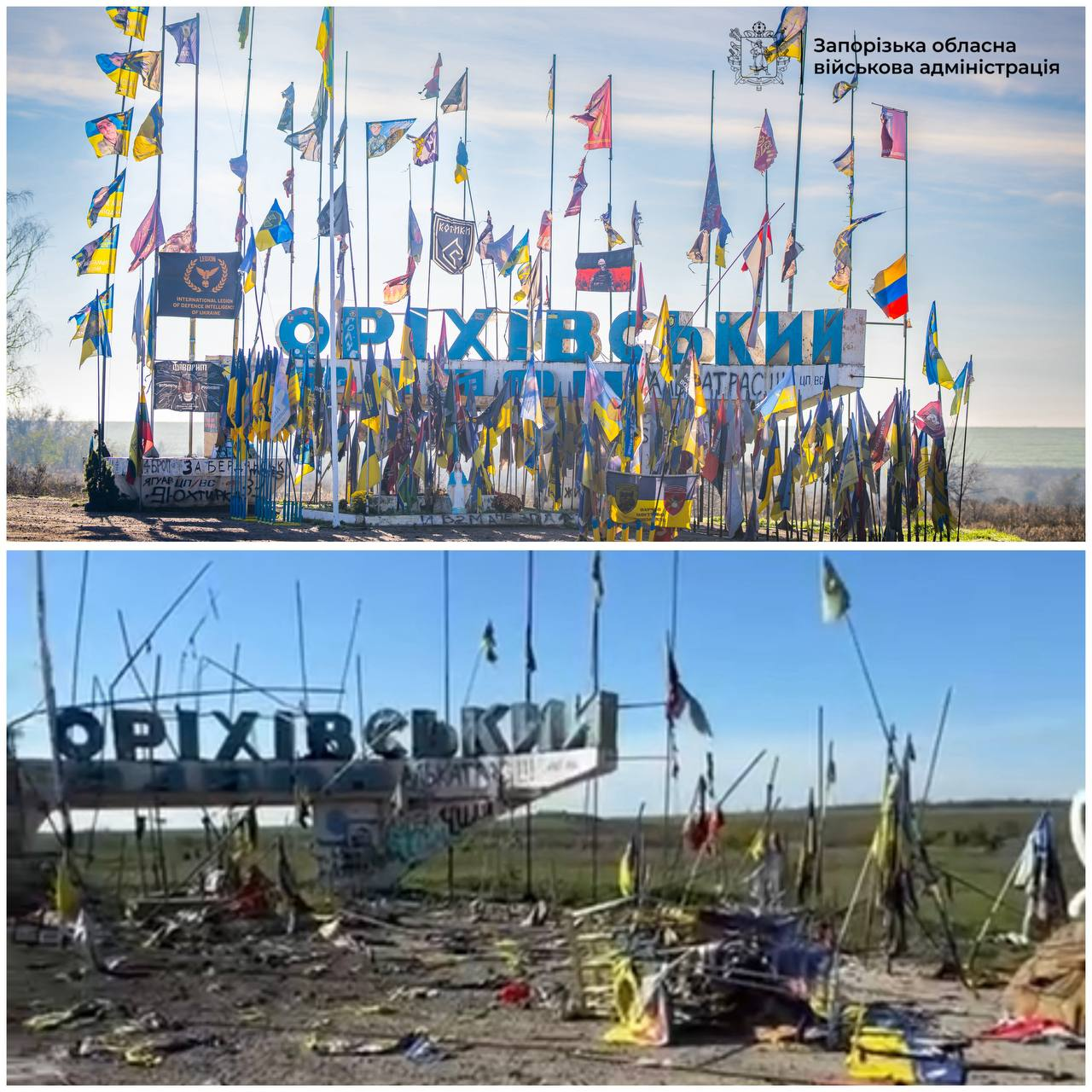
Moscow cannot use the Second World War as moral proof of its historical innocence, because before being attacked by Nazi Germany, it was a co-author of the geopolitical architecture that made the war's outbreak in Eastern Europe possible.
This does not mean absolving Adolf Hitler, who remains the principal military aggressor on September 1, 1939. However, it does mean stripping Moscow of the narrative privilege of being “the victim who then liberated Europe.” The Molotov-Ribbentrop Pact divided Eastern Europe into spheres of influence, assigning Germany and the USSR a partition line for Poland along the Narew, Vistula, and San rivers and recognizing Soviet interests in Bessarabia.
Legally and politically, it was a preventive map of aggression, not a simple neutrality pact.
By signing that pact with Hitler, participating in the partition of Poland, invading Finland, and appropriating Northern Bukovina and Bessarabia, the USSR entered the war not as an anti-Nazi power but as an accomplice to Nazism; then as its victim, and finally as its victor.
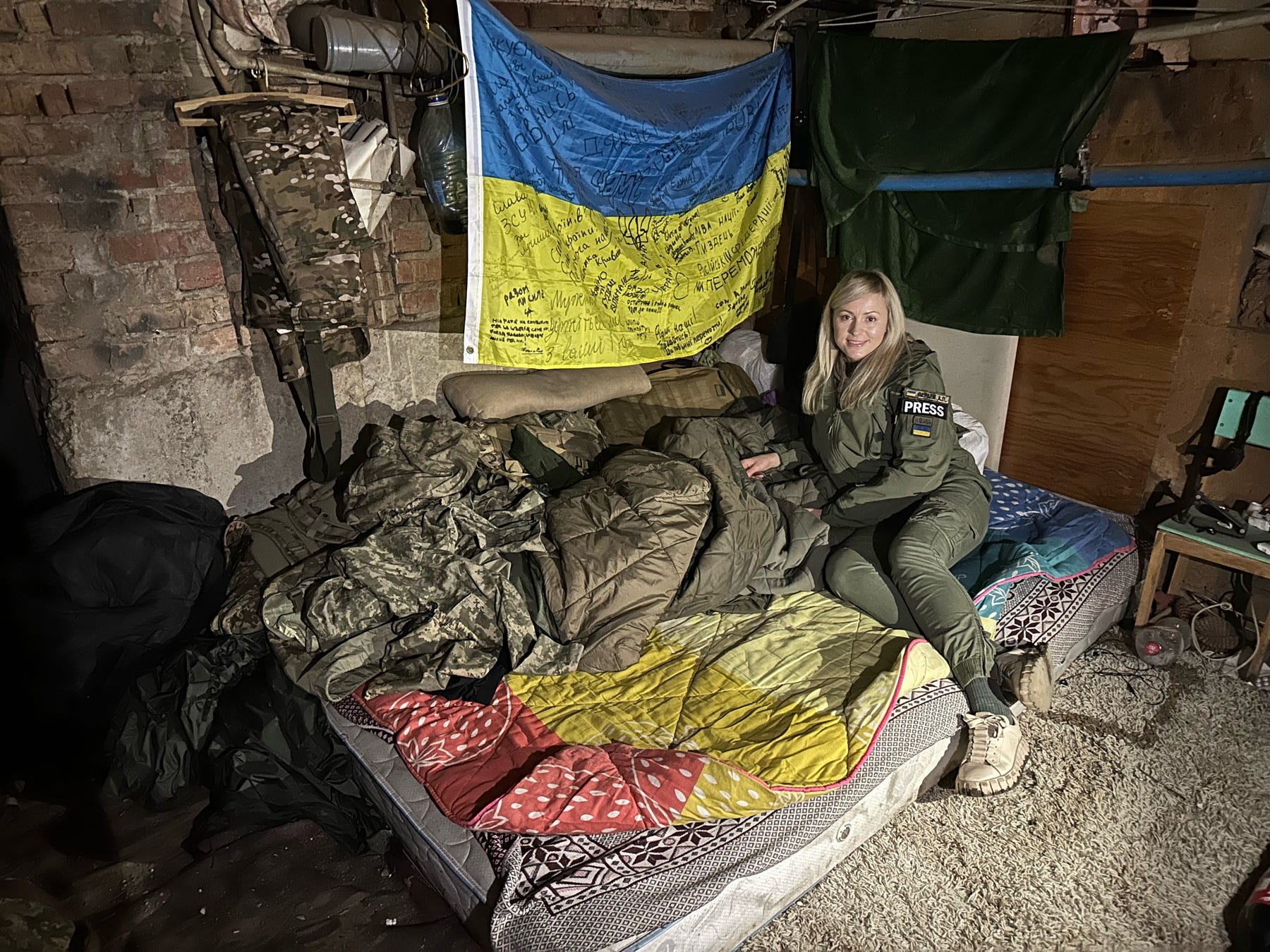
The myth of Russian invincibility stems from the Soviet communist regime’s immediate attempt to erase the history and geography of events wherever it exerted influence. This included, unfortunately, postwar Italy. So much so that today it is practically the only country in Europe where “Kiev” (a transliteration from Russian) is still used instead of “Kyiv” (from Ukrainian): a coding ‘error’ considered highly offensive here, reflecting a persistent cultural submission to an obsolete and colonial mapping.
Propaganda says “Russia” when history often says “Ukraine”; it says “Russian people” when the losses were Soviet and multinational. It says “Moscow saved Europe” when, until June 1941, Moscow had cooperated with Hitler in redrawing Eastern Europe. It says “liberation” when, for many people of Eastern Europe, 1945 meant the transition from Nazi occupation to Soviet rule. In many Ukrainian cities, there are still dozens of signs reading “Communism = Rashism” and irrefutably documented historical references that link the criminal matrix of the current Moscow regime to the one that preceded it.
As several historians, including Roman Kabachij, have recalled, the Ukrainian tragedy was precisely this: being defeated, victors.
The Ukrainians contributed to the victory over Nazism but did not achieve liberation.
This is why rejecting the Soviet legacy is now dominant, even in institutional decisions. For Ukraine, 1945 by no means ended the era of imperial violence: it prolonged it by almost half a century. Deportations, postwar repressions, gulags, and the erasure of place names and local identities in the spaces between Berlin and Moscow that the American historian Timothy Snyder has called the “Bloodlands.”
Ukraine’s specificity lies in the fact that the territory — of which it forms a central part — was first starved, purged, and politically colonized by Stalin, then invaded and exterminated by Hitler, and then “liberated” again by Stalin.
Dekulakization and the Holodomor resulted in millions of Ukrainian deaths. The survivors of that genocide passed on its memory, only to be oppressed themselves.
As Kabachij explains, Nazism was judged, documented, condemned, and transformed into a legal paradigm of political evil. Soviet communism, on the other hand, emerged from 1945 sitting among the judges rather than the defendants. Thus, its criminal archive remained largely outside the founding moral framework of postwar Europe.
That failed Nuremberg of communism today leads to the hammer and sickle being waved at the Moscow parade, where another dictator pins racial Zs made from St. George’s ribbon onto the veterans of his imperialist war.
For this reason, in Ukraine, memory has shifted toward the European 8th of May, that is, toward commemoration, mourning, a plurality of victims, and a rejection of the cult of weapons. Ukraine has now adopted that as the official date of remembrance and victory over Nazism, while May 9th has become Europe Day.
In 1.536 days of war, we recorded over 250 videos from ground zero and wrote more than 1,500 articles.
We are doing our best to provide genuine, first-hand reports from zones where almost no press dares to go. This means living in a kill zone constantly. We take the risk, but without your invaluable support, our voices would remain unheard and silent. Without brave people sharing our articles from afar, they would remain unread. Our reports would go unseen, and our efforts would be lost. There’s still a lot of work to do here, as the people around us are also in no better situation.
We’re renewing our fundraising campaign and thanking everyone who joins us in helping to restore what Russia is destroying. Moving forward with only a small reimbursement for each article from a brave newspaper that believes in us is extremely challenging. That’s why we are grateful to all the kind people who support us and trust in our mission.
Even a small donation helps.
We’ll keep you updated on developments.
Thank you all, dear friends
戰敗的勝利者
作者:Giorgio Provinciali
翻譯:旺財球球
烏克蘭前線報道
赫爾鬆 — 今天是烏克蘭的“歐洲日”。作為對蘇聯傳統明確的文化與政治決裂,並與歐洲的紀念方式接軌的背景下,這裏昨天紀念了對二戰納粹主義的勝利。俄羅斯遊行在今日舉行,因為德國無條件投降書在1945年5月8日於中歐簽署,而在莫斯科,由於時差已是5月9日。強調其歐洲身份的烏克蘭在三年前,正是在俄羅斯全麵入侵之際,確立了紀念與反法西斯勝利日,以便將其人民的犧牲與俄羅斯對該曆史的利用形成鮮明對照。
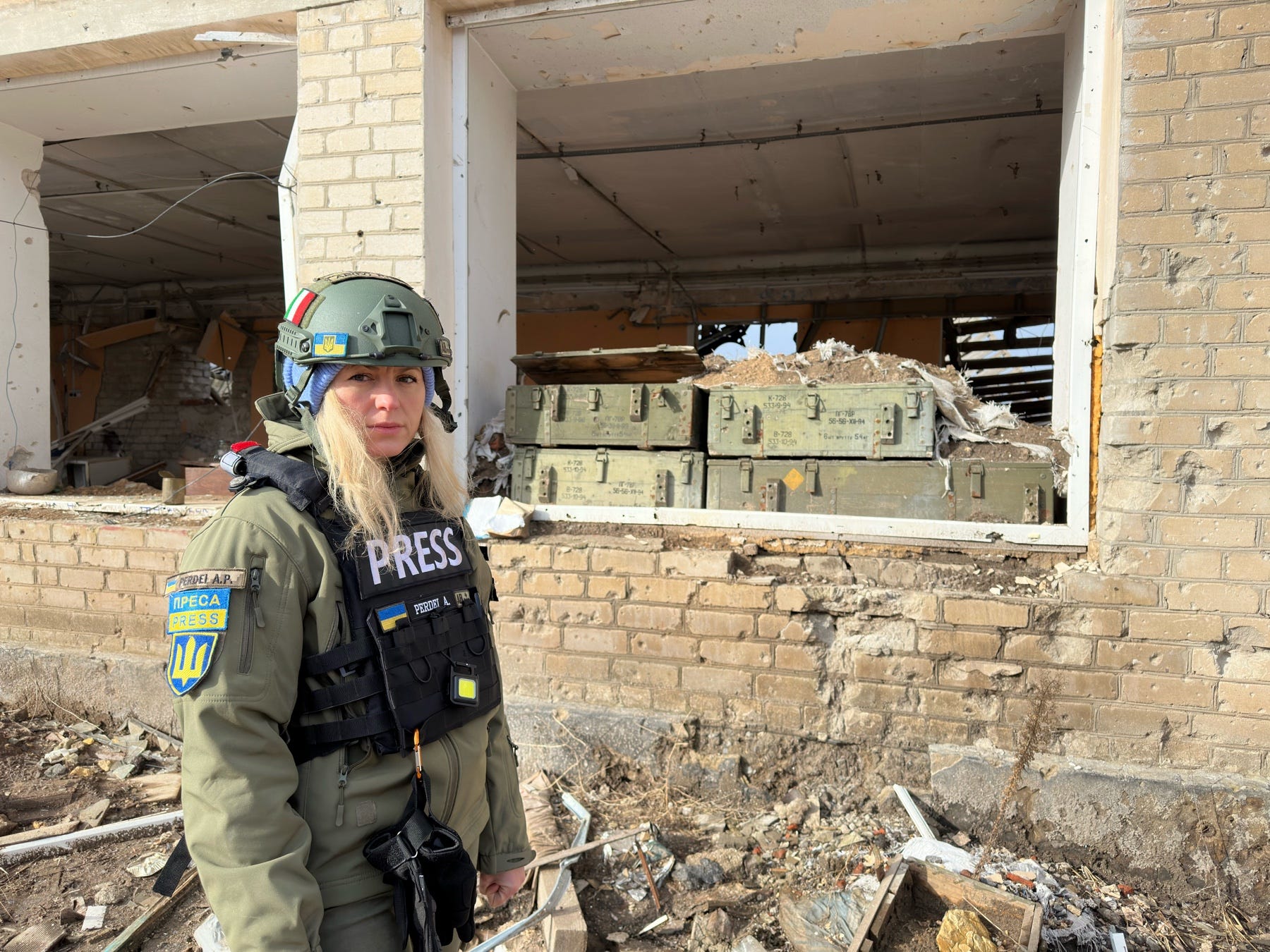
(圖:Alla與我在伊久姆的戰壕中報道,那裏曾是二戰戰場,且在2022年俄羅斯人在那裏留下了埋葬449名烏克蘭平民的集體墳墓——版權所有,Giorgio Provinciali)
正如我在12月23日從戰壕撰寫的本欄報道中所述,1941年的“巴巴羅薩行動”主要是在烏克蘭進行的。在750萬參加紅軍的烏克蘭人中,每兩人中就有一人死亡,幸存者中有一半成為傷殘。憑借如此巨大的犧牲、被毀的國土與淪為戰場的城市,疲憊而被摧殘的烏克蘭極大地削弱了納粹-法西斯入侵者的進攻能力。
我曾展示那些被橫越、被占領、被摧毀並用作巨大戰場的土地上發現的文物,也在視頻裏提到,第二次世界大戰的戰壕旁,烏克蘭人在2022年為保衛基輔又挖出了新的戰壕。
(視頻:Alla與我與從莫什春的戰壕報道,烏克蘭在二戰期間在此阻擊納粹法西斯,2022年又在此阻止了俄侵略者——版權所有,Giorgio Provinciali)
對希特勒的勝利完全不能證明莫斯科曆史上的純潔性;恰恰相反,這表明莫斯科得以在一場某種程度上對其爆發負有責任的災難中幸存:它利用了烏克蘭人及其他蘇聯民族的鮮血,並隨後抹去了曾支撐其存續的西方資本的援助記憶。
當代俄羅斯聯邦長期以三重嫁接構建5月9日的崇拜邪教:1. 將本屬於多民族的蘇聯勝利據為己有,抹去烏克蘭貢獻;把其道德上的反法西斯角色據為己有,抹去《莫洛托夫—裏賓特洛甫條約》、波蘭的劃分和1939–1940年的蘇聯吞並行為;宣言軍事自自足據,抹去西方租借法案的關鍵作用,沒有那些援助,蘇聯的戰爭機器將難以把抵抗、生產與人力犧牲轉化為一路挺進柏林的進攻能力。
(圖:Alla與我在烏克蘭紮波羅熱州奧裡希夫的“星形”紀念處報道。二戰期間,納粹法西斯在此遇到激烈的烏克蘭抵抗;在這裏,自2022年以來,俄羅斯人雖不斷嚐試,但仍無法推進——版權所有,Giorgio Provinciali)
(圖:在我們撰寫本文前幾天,仍在奧裡希夫戰鬥的朋友們發來這張照片,正是在俄軍轟炸我們留下徽章與旗幟的“星形”紀念處後不久。盡管俄軍無法推進,卻轟擊他們得不到之物——版權所有,Giorgio Provinciali)
莫斯科無法以二戰作為其曆史清白的道德證據:在遭納粹德國襲擊之前,蘇聯是促成東歐戰爭爆發的地緣政治架構的共謀者之一。
這並不意味著為阿道夫·希特勒開脫,他仍然是1939年9月1日主要的軍事侵略者。但這意味著必須剝奪莫斯科從“受害者轉為歐洲解放者”的敘事特權。《莫洛托夫—裏賓特洛甫條約》將東歐劃分為勢力範圍,劃定了沿納瑞夫河、維斯瓦河與薩訥河的德國與蘇聯對波蘭的分割線,並承認蘇聯在貝薩拉比亞的利益。
無論從法律還是政治上看,這是一張侵略的預防性地圖,而非簡單的中立條約。
通過與希特勒簽訂該條約、參與分割波蘭、入侵芬蘭並占有北布科維納與貝薩拉比亞,蘇聯並非作為反納粹力量進入戰爭,而是作為納粹主義的同謀;隨後成為受害者,最後成為勝利者。
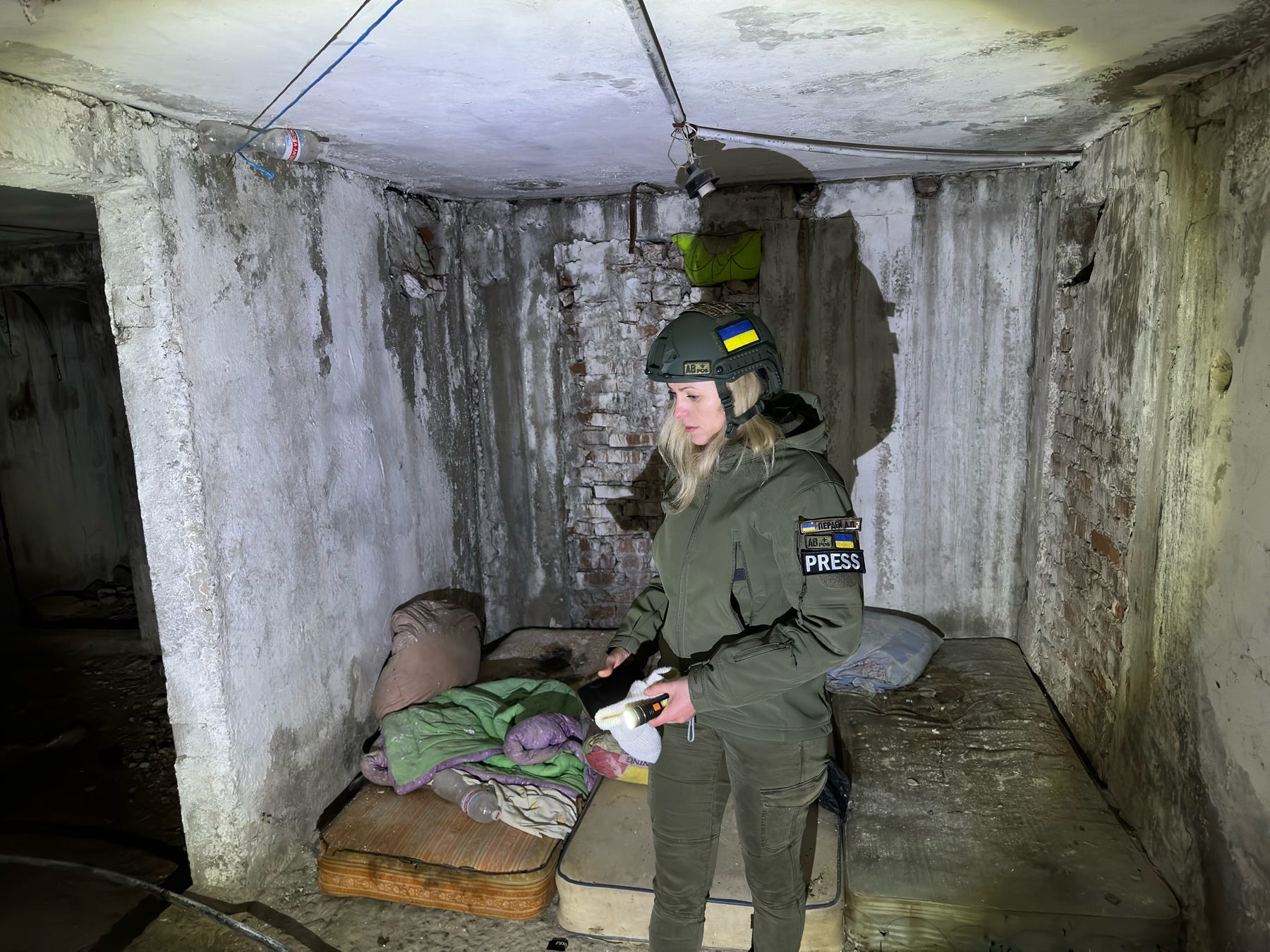
(圖:Alla與我在2022和2023年為解放部分被俄羅斯聯邦非法占領的紮波羅熱州地區時所藏身並生活的地下室報道。這張照片攝於2022年的平安夜——版權所有,Giorgio Provinciali)
俄羅斯不可戰勝的神話源自蘇聯共產政權對曆史與地理事件記憶立即抹除的努力,凡其影響所及之處皆如此。不幸的是,這也包括戰後意大利。以至於今天在歐洲幾乎唯有意大利仍普遍使用來自俄語的“Kiev”而不是來自烏克蘭語的“Kyiv”:在這裏,這種編碼“錯誤”被視為極具冒犯性的,反映出對過時殖民式地理表述的持續文化屈從。
宣傳機器在曆史上是“烏克蘭”時說“俄羅斯”,而在損失是而損失卻是蘇聯的、跨民族的時候,卻說是“俄羅斯人民”。它說“莫斯科拯救了歐洲”,而在1941年6月之前,莫斯科曾與希特勒合作重繪東歐版圖。它說“解放”,而對許多東歐人民而言,1945年意味著從納粹占領過渡到蘇聯統治。在許多烏克蘭城市,仍矗立著多處寫有“共產主義 = 侵俄主義”(Communism = Rashism)的標語,以及確鑿無疑的曆史資料,證明當下莫斯科政權的犯罪基質與前身相連。
(圖:Alla與我在烏克蘭頓巴斯的一處地下室報道,我們曾在2022年頓巴斯大部分被解放時在該地下室躲避炮火,其他二戰時的戰壕也仍可見——版權所有,Giorgio Provinciali)
正如包括羅曼·卡巴奇伊在內的若幹曆史學家所回顧的,烏克蘭的悲劇恰恰在於:作為勝利者卻被擊敗。
烏克蘭人為戰勝納粹作出貢獻,卻沒有獲得解放。
這就是為何拒斥蘇聯遺產如今已占主流地位,甚至體現在製度決策中。對烏克蘭而言,1945年絕非帝國暴力時代的終結:反而將其延續了近半個世紀。驅逐、戰後鎮壓、古拉格勞改營、以及對地名和地方身份認同的抹殺,都發生在柏林與莫斯科之間那片美國曆史學家蒂莫西·斯奈德稱之為“血色土地”的區域。
烏克蘭的特殊性在於,其領土的核心部分,先是在斯大林時期遭受饑荒、大清洗和政治殖民化;隨後被希特勒入侵並滅絕,又隨後被斯大林“再次解放”。
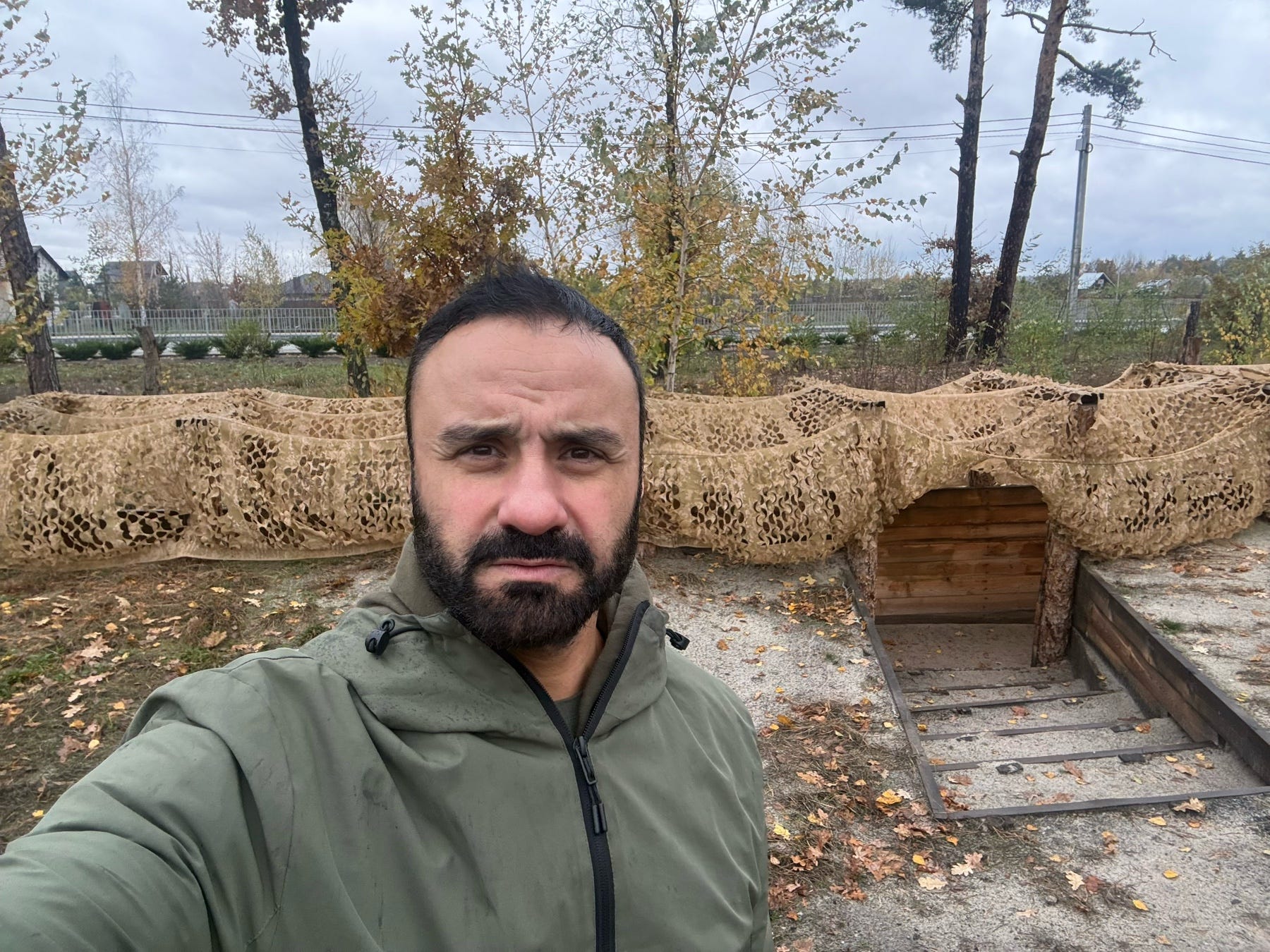
(圖:Alla與我在2022年保衛基輔的戰壕中報道,那裏在1941年和2022年分別抵禦了來自同一意識形態的兩種政權——版權所有,Giorgio Provinciali)
消除富農和大饑荒導致數百萬烏克蘭人死亡。那場種族滅絕的幸存者將其記憶傳承下來,然而卻又再次遭受壓迫。
正如卡巴奇伊所解釋,納粹主義受到了審判、記錄、譴責,並被轉化為政治邪惡的法律範式。而蘇聯共產主義自1945年起以“審判者”而非“被告”的姿態出現。因此,其犯罪檔案在很大程度上未被納入戰後歐洲建構的道德基架之中。
這一“共產主義未被紐倫堡審判”的曆史缺失,導致今天鐮刀斧頭旗在莫斯科閱兵中揮舞,而另一名獨裁者則把用聖喬治絲帶拚成的種族化“Z”徽章別在其帝國戰爭老兵身上。
因此,在烏克蘭,紀憶已轉向歐洲式的5月8日——即紀念、哀悼、承認多元受害者,並拒絕武器崇拜。烏克蘭現已采納該日作為對納粹主義的紀念與勝利官方日,而5月9日則成為“歐洲日”。
(圖:Alla與我在烏克蘭頓巴斯一處名為卡米安卡的小村莊報道,拍攝於村莊獲解放後不久。我們是首批進入者,當時該地仍有地雷。近80年前,反抗納粹法西斯的烏克蘭人也曾沿著這些道路作戰————版權所有,Giorgio Provinciali)
***
在1536天的戰爭中,我們從前線錄製了250多段視頻,並撰寫了1500多篇文章。
我們盡最大努力從幾乎沒有媒體敢進入的地帶進行真實的一手報道,這意味著我們長期生活在“殺傷區”。我們承擔風險,但若沒有你們寶貴的支持,我們的聲音將無從傳出。若沒有遠方的勇敢的人們轉發分享我們的文章,它們將無人問津。我們的報道會被忽視,我們的努力將付諸流水。這裏還有大量工作要做,周圍的人們境況同樣艱難。
我們正在更新籌款活動,感謝每一位加入我們、幫助修複俄羅斯破壞的人們。僅靠一家勇敢的報紙為我們每篇文章支付微薄稿酬以維持前線報道極為困難。因此,我們感激所有支持並信任我們使命的善良人們。
哪怕是小小的捐助也有助益。
我們會持續為你們更新事態進展。
謝謝大家,親愛的朋友們
如果你認可我們的工作,請支持我們
在過去三年裏,自烏克蘭大規模戰爭爆發以來,作為自由撰稿人,我們一直在烏克蘭戰爭的所有前線進行報道…
Paypal捐款鏈接:https://www.paypal.com/pools/c/9oqgW5u5oE
WENXUECITY.COM does not represent or guarantee the truthfulness, accuracy, or reliability of any of communications posted by other users.
Copyright ©1998-2026 wenxuecity.com All rights reserved. Privacy Statement & Terms of Use & User Privacy Protection Policy
