
The Risk of An Unchecked Power That Paralyzes the Rada
The Risk of An Unchecked Power That Paralyzes the Rada
By: Giorgio Provinciali
Live from Ukraine
Dnipro – If anti-corruption becomes a lever of political coercion, then it is no longer defending the rule of law: it is contributing to its erosion from within. A Ukraine that survives militarily but normalizes this institutional shift risks saving itself as a territorial state but losing its role as a state governed by the rule of law.
Yesterday, «RBK-Ukraine» published a detailed, useful, and in some ways revealing analysis of what is happening around NABU and SAP, the two pillars of Ukraine’s anti-corruption system, built under strong Western pressure since 2015. The article describes the struggle of MPs who are not voting out of fear of investigations and of a Europe unable to replace Washington as the political shield for these institutions. A Servant of the People MP interviewed claims that NABU and SAP are now «truly independent» because the traditional American support has disappeared with Donald Trump’s inauguration at the White House.
This interpretation, however, appears completely inverted.
The MP who puts it this way doesn’t sound like an analyst, but rather like someone intimidated by the situation. He is among those abstaining from the Rada vote out of fear of retaliation by the very entities whose independence he publicly supports. The fact that members of the majority fear retaliation from structures that should, at least officially, be fighting corruption rather than paralyzing parliament's functioning is a revealing paradox.
The problem is not anti-corruption itself, but its progressive politicization.
I’ve already analyzed in these pages how many in Ukraine believe that NABU and SAP have gradually transformed into instruments of timed justice, producing interventions calibrated to the political-media cycle.
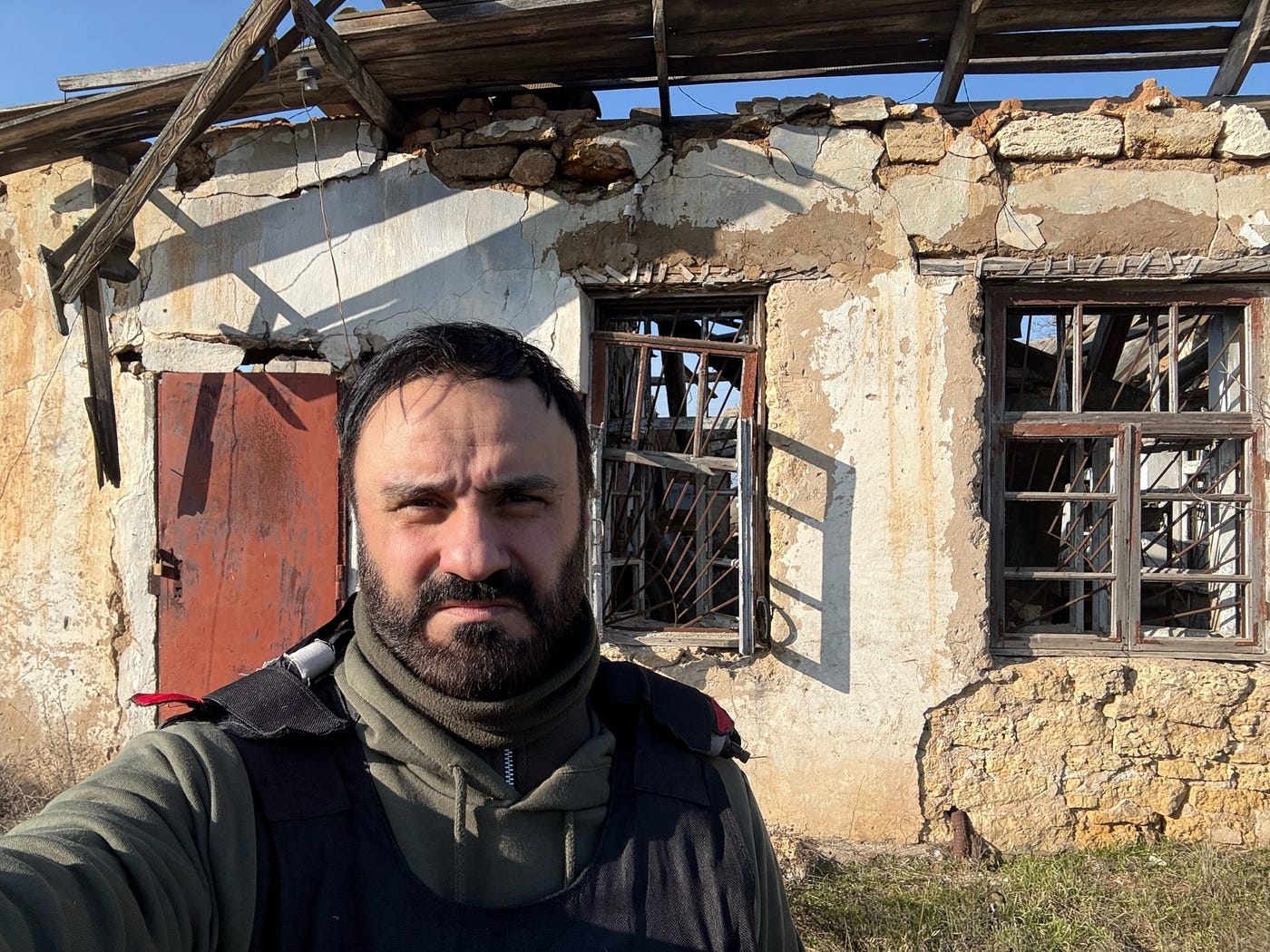
The Yermak case remains the clearest and most concerning example.
Andriy Yermak – former head of the Presidential Office, a figure who for years held unprecedented informal power in post-2014 Ukrainian political history – has not been convicted. He hasn’t even been formally charged. Yet he no longer holds his position. He resigned on November 28, 2025, a few hours after NABU searched his home as part of Operation Midas, the $100 million mega-investigation into Energoatom. He declared he was going to the front. In fact, he was never reported to any conscription station.
Was Yermak necessary to resign? Probably yes, for reasons that extend beyond the individual investigation: the concentration of power he had built was structurally incompatible with a healthy institutional balance. But that’s beside the point. The real issue is who removed him and through what mechanism. Not through politics, via a democratic process. Not through a judicial verdict. Instead, it was the deterrent effect of a search, amplified by media pressure, without any formal charge or trial. In January 2026, Yermak reinstated his name in the bar association. He has no convictions. He has no charges. He is simply politically defunct, the result of an extra-procedural removal.
This is profoundly wrong. Not because Yermak was innocent or a gentleman – he likely wasn’t – but because in a constitutional state, the removal of a public official, no matter how powerful, cannot be delegated to the public prosecutor as a proxy for politics. Accepting this principle would mean admitting that the anti-corruption judiciary has gained a veto over the composition of governments that no law grants it and that no liberal democracy can accept. Enough to hold parliament hostage.

The Tymoshenko case adds another layer of complexity.
In January 2026, NABU and SAP served Yulia Tymoshenko a notice of investigation for bribery of parliamentarians: according to the prosecution, she had offered monthly payments in exchange for favorable votes. The tapes published by the agency seem clear in substance. The problem, once again, is the context. Tymoshenko had voted in July 2025 in favor of the bill that would have stripped NABU and SAP of their powers, calling these bodies «instruments of external control». The investigation into her matured immediately in the following weeks. The timeline doesn’t prove the accusations false – they could be entirely valid – but it raises a question a constitutional state cannot afford to ignore: do anti-corruption investigations follow the evidence or the political calendar?
The issue isn’t the validity of the evidence, but the selective prosecution of the case in response to a vote, a concept codified in other legal systems as selective prosecution.
Holos MP Yaroslav Yurchyshyn, interviewed by “RBK-Ukraine”, offers his interpretation: the crisis in the Rada majority is not due to NABU but to the mismanagement of relations between the presidency and parliament. This interpretation is only partly convincing, as it ignores the cascade of effects caused by the Kisiel case – the Servant of the People MP from Kryvyi Rih, Zelensky’s hometown, caught in December 2025 in a sting operation for accepting money in exchange for votes – and the resulting atmosphere.
Today, in the Rada, every second person is suspected of being a NABU infiltrator. Deputies don’t vote out of fear. Parliament isn’t functioning. This isn’t democratic physics; it’s institutional paralysis caused by an investigative process that has lost its operational boundaries.
The “RBK-Ukraine” article includes a revealing statement from a government source: with Trump, the American cap on NABU and SAP would be lifted, and Europe strategically supports these bodies but has not replaced Washington as a political shield. The implied conclusion – that NABU and SAP are now «truly independent» – is a fallacy of composition and a dangerous conceptual illusion. First, because the opposite is clear: with Trump in the White House, every form of American pressure has been used to influence Zelensky and his government. This includes aid suspensions, leaks of intelligence documents, and the memo calling Zelensky «a dictator without elections», among other actions. Second, even if one were to assume otherwise, the absence of an external patron does not automatically create independence but rather a vacuum of accountability.
An organization that answers to no one is not truly free; it can become uncontrollable. And an uncontrollable body, endowed with powers like wiretapping, searches, and public delegitimization, poses systemic risks regardless of the moral integrity of its officials.
Let’s be clear: without NABU and SAP, the country would be even more vulnerable. Denying this would be hypocrisy. It’s not even about denying corruption in Ukraine. Corruption exists, it’s documented, it’s serious, and it’s been greatly worsened by the war. Operation Midas is real. The Energoatom schemes are real. The need for independent investigative bodies is real. But when those same bodies start to act under political pressure, when searches happen before trials, turning them into tools of forced removal, and when the atmosphere of fear they create paralyzes parliament’s work, then the remedy begins to resemble the evil it claims to fight.
The solution is not to weaken NABU and SAP – that would be a gift to real corruption – nor to uncritically defend them as untouchable totems. It involves establishing clear rules: set deadlines between searches and charges; ensure transparency in investigations involving key institutional figures; implement a robust parliamentary oversight mechanism, not for political control but to provide guarantees; and hold accountable those responsible for abuses or targeted leaks. These solutions have been discussed in reformist circles since 2016 and should be implemented during wartime.
The abstention of Servant of the People MPs isn’t just cowardice; it’s also a form of protest. Dysfunctional, certainly. Confused, incapable of articulating an alternative proposal, and politically sterile. But it’s real at its core. Those who observe from the outside and provide this country with resources, weapons, and international credibility can’t afford to dismiss it as mere background noise.
A Ukraine that wins the war but loses the rule of law has won nothing.
We are doing our best to provide genuine, first-hand reports from zones where almost no press dares to go. This means living constantly in a kill zone. We take the risk, but without your invaluable support, our voices would remain unheard and silent. Without brave people sharing our articles from afar, they would remain unread. Our reports would go unseen, and our efforts would be lost. There’s still a lot of work to do here, as the people around us are also in no better situation.
We’re renewing our fundraising campaign and thanking everyone who joins us in helping to restore what Russia is destroying. Moving forward with only a small reimbursement for each article from a brave newspaper that believes in us is extremely challenging. That’s why we are grateful to all the kind people who support us and trust in our mission.
Even a small donation helps.
We’ll keep you updated on developments.
Thank you all, dear friends
未受製約的權力可能癱瘓議會的風險
作者:Giorgio Provinciali
翻譯:旺財球球
烏克蘭前線報道
第聶伯羅 — 如果反腐成為政治脅迫的工具,那麽它就不再是在捍衛法治:反而是在從內部侵蝕法治。一個在軍事上幸存但將這種製度性轉變常態化的烏克蘭,可能作為領土國家保住了自己,卻失去了作為法治國家的靈魂。
昨日,《RBK-Ukraine》發表了一篇詳盡、有用且在某些方麵頗具揭示性的分析,討論自2015年以來在強大西方壓力下建立的烏克蘭反腐體係兩大支柱——國家反腐局(NABU)和特別反腐檢察院(SAP)周邊正在發生的事情。文章描述了議員們因害怕被調查、以及歐洲未能取代華盛頓成為這些機構的政治保護傘而不敢投票的鬥爭,。一位接受采訪的“人民公仆”黨議員稱,隨著唐納德·特朗普就任白宮,傳統美國支持已消失,因而NABU和SAP現在“真正獨立”了。
然而,這種解讀顯然完全相反。
這位議員的話不像是分析,更像是恐懼。他屬於那些因害怕被他公開支持獨立的機構報複而在議會投票中棄權的人之一。多數派議員害怕原本應該打擊腐敗、而不是癱瘓議會運作的機構,這個事實本身就是一個極具揭示性的悖論。
問題不在於反腐本身,而在於反腐逐步被政治化。
我在此前的文章中已分析過,許多烏克蘭人認為NABU和SAP逐漸變成了“定時司法”的工具,采取的幹預與政治—媒體周期相配合。
(圖:我和Alla在烏克蘭赫爾鬆戰區報道——版權所有,Giorgio Provinciali)
耶爾馬克案仍是最明確且最令人擔憂的例子。
安德裏·耶爾馬克——前總統辦公廳主任,是烏克蘭 2014 年後最具非正式權力的人物之一——尚未被定罪,甚至未被正式起訴,但不再擔任其職務。他在2025年11月28日於NABU在“邁達斯行動”(涉及Energoatom的1億美元大案)中搜查其住所數小時後辭職。他宣稱要去前線,實際上從未在任何征兵站報到。
耶爾馬克有必要辭職嗎?可能有必要,理由不僅限於個人調查:他所構建的權力集中在結構上與健康的製度平衡不兼容。但這不是問題的關鍵。真正的問題是:是誰、以何種機製將其免職。不是通過政治手段、沒有通過民主程序,也不是通過司法判決。而是一次搜查的威懾效應,再經媒體壓力的放大,在沒有任何正式指控或審判的情況下,讓他被迫下台。2026年1月,耶爾馬克重新在律師協會登記。他沒有定罪,沒有指控;他隻是單純被政治除名——這是一個程序外的免職結果。
這是極其錯誤的。並非因為耶爾馬克是無辜或紳士——他很可能並非如此——而是因為在一個憲政國家,任何公共官員的免職,無論其職位多高,都不能由檢察機關替代政治來決定。接受這種原則意味著承認反腐司法對政府組成擁有某種否決權,這是法律未曾賦予的,也是任何自由民主都無法接受的。足以把議會挾持為人質。
(圖:我和Alla在烏克蘭赫爾鬆灰色地帶戰事最激烈的地方報道——版權所有,Giorgio Provinciali)
季莫申科案進一步增加了問題的複雜性。
2026年1月,NABU和SAP向尤利婭·季莫申科發出了關於賄賂國會議員的調查通知:檢方稱她為換取有利投票提供了月度付款。該機構公布的錄音在實質上似乎是明確的。但問題再次出在背景上。季莫申科在2025年7月曾投票支持一項法案,該法案將剝奪NABU和SAP的部分權力,並稱這些機構為“外部控製工具”。對她的調查隨即在接下來的幾周成熟起來。時間線並不能證明指控是虛假的——指控可能完全成立——但它提出了一個憲政國家無法忽視的問題:反腐調查是跟隨證據,還是隨政治日程走?
問題不在於證據的有效性,而是調查是否因某一政治投票而被選擇性啟動,這一概念在其他法律體係中被稱為選擇性起訴。
(圖:Alla和我在烏克蘭赫爾鬆錄製了這段錄像——版權所有,Giorgio Provinciali)
“RBK-Ukraine”采訪的“Holos”黨議員亞羅斯拉夫·尤爾奇申提供了他的解釋:議會多數派的危機並非由NABU引起,而是源於總統與議會之間關係的管理不當。這種解釋隻說對了一半,因為它忽略了“基謝爾案”引發的連鎖效應——基謝爾是來自克裏維裏赫(澤連斯基的家鄉)的“人民公仆”黨議員,2025年12月在一次誘捕行動中因收受金錢以換取投票而被抓——以及由此產生的氛圍。
如今在拉達,“每兩個議員中就有一個懷疑另一個是 NABU 的滲透者”。議員們因為害怕而不敢投票。議會幾乎無法運作。這不是民主機製,這是製度癱瘓,是失控的調查權力造成的後果。
該文還引述了一位政府消息人士的揭示性說法:在特朗普執政下,美國對NABU和SAP的“天花板”將被取消,歐洲在戰略上支持這些機構,但並未取代華盛頓成為它們的政治盾牌。由此暗含的結論——NABU和SAP現在“真正獨立”了——是一種組合謬誤和危險的概念錯覺。首先,事實q恰恰相反:在特朗普入主白宮的情形下,美國對澤連斯基及其政府的施壓從未手軟,其中包括援助中止、情報文件泄露,以及稱澤連斯基為“沒有選舉的獨裁者”的備忘錄等行動。其次,即便假設沒有外部幹預,缺乏外部幹預並不自動產生獨立,反而可能形成問責的真空。
一個不向任何人負責的組織並非真正自由;而會變得不可控製。而一個擁有監聽、搜查和公開喪失合法性等權力、卻不可控製的機構,無論其官員道德如何,都構成係統性風險。
(圖:Alla和我在烏克蘭切爾尼戈夫的尼津錄製了這段視頻——版權所有,Giorgio Provinciali)
明確一點:沒有NABU和SAP,國家將更加脆弱。否認這一點就是虛偽。這也不是要否認烏克蘭存在腐敗:腐敗存在、被記錄、嚴重,而且因戰爭而大為加劇。“邁達斯行動”是真實的。Energoatom的腐敗網絡也是真實的。獨立調查機構的必要性是真實的。但當這些機構在政治壓力下行動,當“搜查先於指控”變成一種強製撤職工具,以及當它們製造的恐懼氛圍使議會工作癱瘓時,藥房開始像毒藥了。
解決之道既不是削弱NABU和SAP——那將是送給真正腐敗勢力的禮物——也不是不加批判地將它們視為不可觸碰的圖騰。應當建立明確規則:在搜查與指控之間設定時限;確保涉及關鍵公職人物的調查透明;實行強有力的議會監督機製,不為政治控製而設,而是提供製度保障;並對濫用職權或有針對性的泄密者追究責任。這些解決方案自2016年以來在改革派圈子中已有討論,應在戰時予以實施。
“人民公仆”黨議員的棄權不僅僅是懦弱;它也是一種抗議。無疑是功能失調的、令人困惑的、無法提出替代方案且在政治上毫無成效的抗議。但它在本質上是真實的。那些從外部觀察並向這個國家提供資源、武器和國際信譽的人,不能把它簡單地當作背景噪聲而不予理會。
一個贏得戰爭卻失去法治的烏克蘭,等於什麽也沒贏。
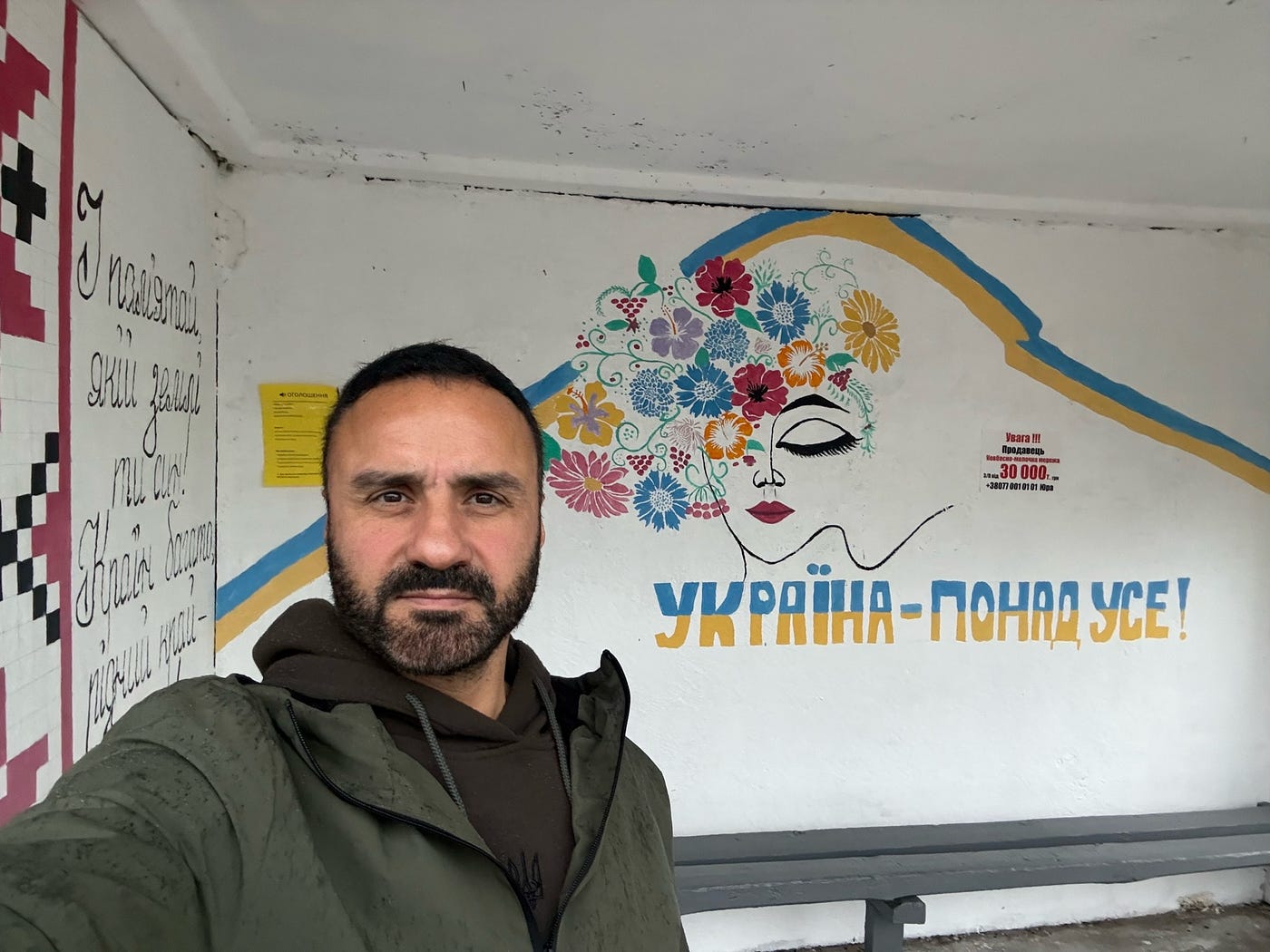
(圖:我在烏克蘭一個公車站——版權所有,Giorgio Provinciali)
***
我們盡最大努力從幾乎沒有媒體敢進入的地帶進行真實的一手報道,這意味著我們長期生活在“殺傷區”。我們承擔風險,但若沒有你們寶貴的支持,我們的聲音將無從傳出。若沒有遠方的勇敢的人們轉發分享我們的文章,它們將無人問津。我們的報道會被忽視,我們的努力將付諸流水。這裏還有大量工作要做,周圍的人們境況同樣艱難。
我們正在更新籌款活動,感謝每一位加入我們、幫助修複俄羅斯破壞的人們。僅靠一家勇敢的報紙為我們每篇文章支付微薄稿酬以維持前線報道極為困難。因此,我們感激所有支持並信任我們使命的善良人們。
哪怕是小小的捐助也有助益。
我們會持續為你們更新事態進展。
謝謝大家,親愛的朋友們
如果你認可我們的工作,請支持我們
在過去三年裏,自烏克蘭大規模戰爭爆發以來,作為自由撰稿人,我們一直在烏克蘭戰爭的所有前線進行報道…
Paypal捐款鏈接:https://www.paypal.com/pools/c/9nxoMcbYLF
WENXUECITY.COM does not represent or guarantee the truthfulness, accuracy, or reliability of any of communications posted by other users.
Copyright ©1998-2026 wenxuecity.com All rights reserved. Privacy Statement & Terms of Use & User Privacy Protection Policy
