
Ukraine needs weapons烏克蘭急需武器
Ukraine needs weapons
By: Giorgio Provinciali
Live from Ukraine
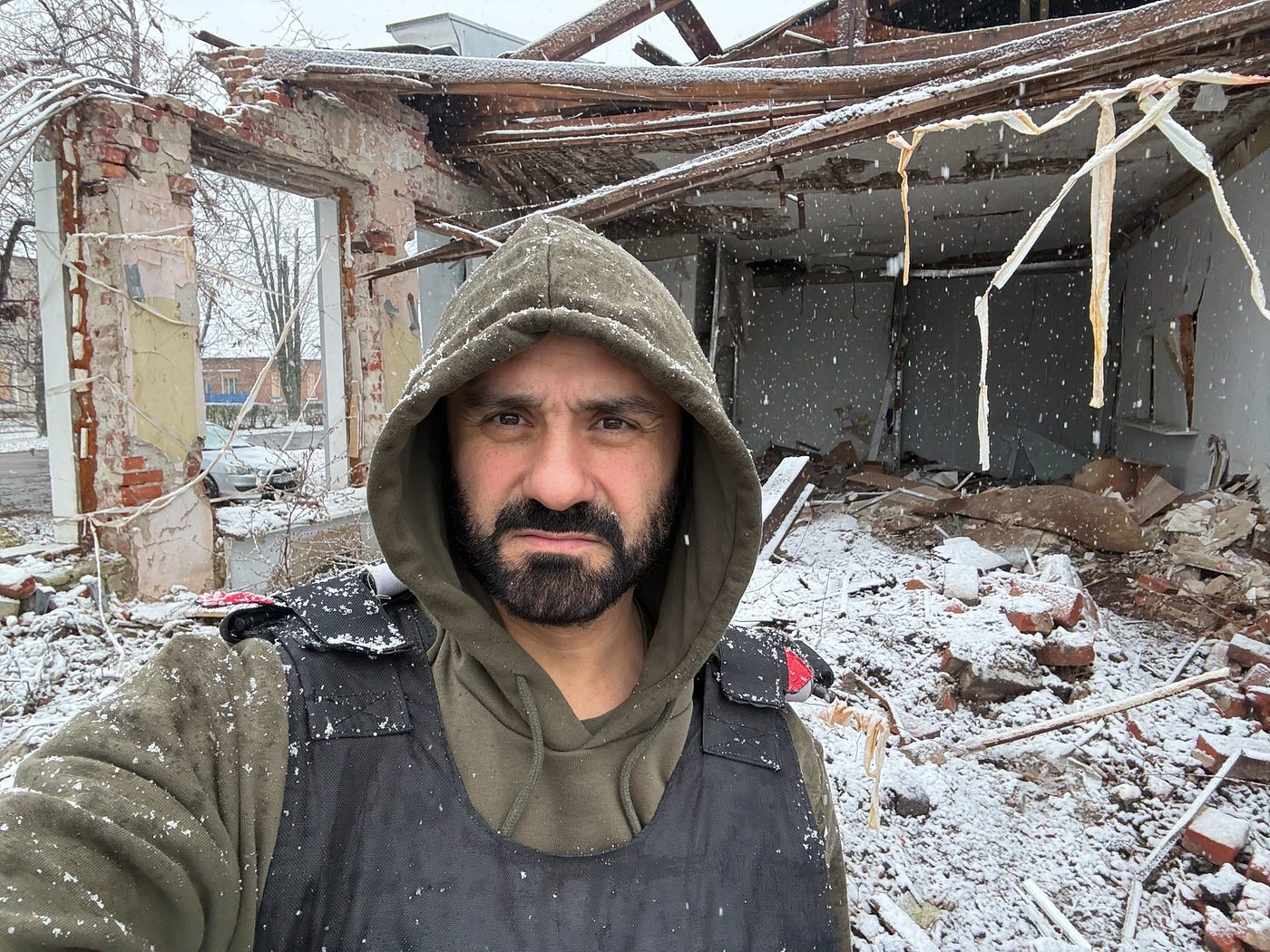
Pokrovsk District – Throughout the weekend, the Russian firestorm in the rear was so intense that we ended up in a cemetery ditch. This happened when Russian forces first overwhelmed the positions where we were with the soldiers of the 2nd Mechanized Battalion of the 28th Brigade, and then those where we had moved with the men of the 95th. Seeing several small shelters around ours blow up, we threw ourselves into the long ditch dug to accommodate new coffins in the cemetery of a godforsaken village. Or perhaps not entirely because, among those crosses, we ultimately saved our lives.

The problem of counter-battery fire – and more generally, the chronic shortage of infantry and conventional ammunition plaguing the Ukrainian army – remains the most serious today. Especially in these short autumn days, when fog and the first snowfalls reduce visibility. The Ukrainian Armed Forces’ Communications Department confirmed our information on the ground, providing telling data: since the beginning of 2025, Russia has fired approximately 27,000 artillery strikes per day, compared to Ukraine’s 15,000. Thanks to the massive contribution of partners like North Korea – which supplies Moscow with millions of shells – Russia’s superiority in this area now stands at 80%. And the gap has even narrowed compared to previous phases of the war.
In fact, in the second half of 2022, against 20,000 Russian strikes per day (a significantly higher number here in Donbas), the Ukrainians responded with just 4,000 – 7,000. In the first six months of 2023, the Russians reached 60,000 rounds per day, while the Ukrainians were forced to maintain a dramatically lower volume of fire: as we reported in our dispatches, there were days when Kyiv fired only one shot for every ten explosions on Moscow. By August 2024, the gap had narrowed to 3:1, with a Russian firing 44,000 rounds per day versus the usual 15,000 Ukrainians.
Years of this massacre – during which Ukraine’s partners have failed to respond with supplies comparable to those received from Russia through its own – have left the situation critical.
To make up for the shortage of conventional weapons, Ukraine relies on drones that, despite being technologically and numerically superior to Russian (Chinese) ones, become ineffective at night. Under these conditions, which favor saboteurs and raiders, the Russians have recently managed to move their pontoons and vehicles toward Pavlivka, then advance as far as Uspenivka, and today approach Huliajpole. We corresponded with this newspaper from those very same areas of eastern Zaporizhia at that time, also examining the FPV blackout while moving alongside a Ukrainian convoy.
If we add to the lack of short-range weapons that of medium- and long-range systems, it becomes even more evident how the Western disengagement has impacted the main problem plaguing Ukraine: weapons. The General Staff confirmed that yesterday alone, the Russians carried out 42 air strikes, dropping 101 guided aerial bombs on this neighborhood and its rear areas. Including other raids along the front line, this resulted in 162 breakthroughs attempts.
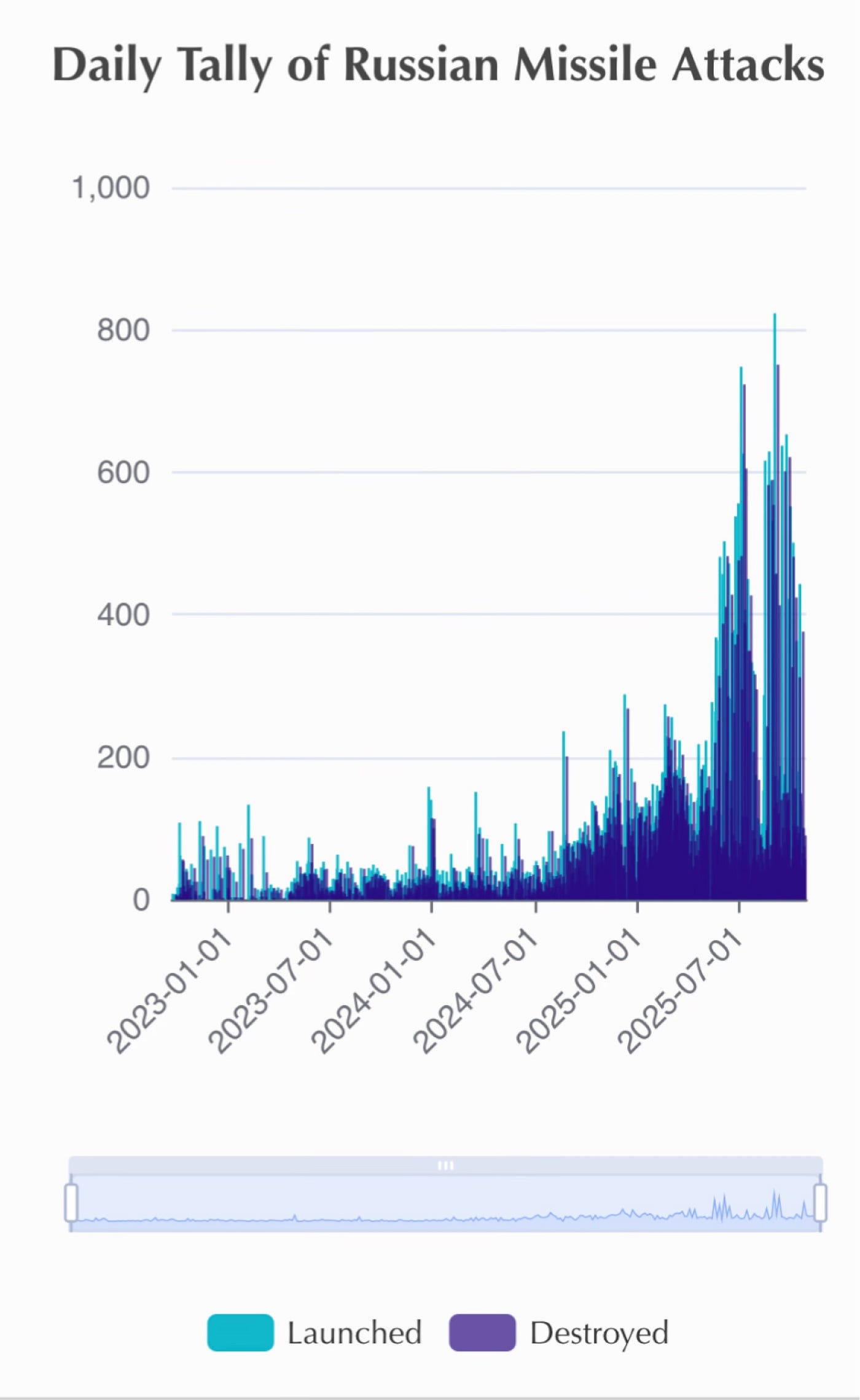
Since 2022, Russia has dropped 33,000 bombs weighing between 250 and 3,000 kilograms each. According to the Center for Strategic and International Studies (CSIS), Moscow launched over 11,000 ballistic and cruise missiles in the first two years of the war alone. High-explosive drones, on the other hand, are now consistently near half a thousand per night. Ukrainian statistics on this matter are considerably lower, even zero for ballistic missiles.
Certainly, other problems abound. Mutinies, for example, affect both Ukraine – where approximately 300,000 cases have been filed since 2022 for unexcused absence or desertion – and Russia, whose statistics were suppressed after the spectacular Wagnerite uprising. Recruitment, however, remains stable at 30,000 units per month on both sides. As the UkrainianGeneral Staff and the Office of the President have repeatedly reiterated (the last statement was issued just a few days ago), given these numbers, it’s clearthat a lack of manpower is not Ukraine’s main problem after four years of full-scale war. Analyses by the Dupuy Institute and the International Institute for Strategic Studies converge in indicating that, between land, air, and naval forces, Ukraine currently deploys approximately 575,000 troops (not counting Territorial Defense Forces and National Guard), compared to the 450,000 Russian troops deployed in Ukraine (594,000 including support forces). This proportion is evident from the field, and it is our duty to remind Ukraine’s partners that they can – and must – close the gap with Russia by providing it with what it truly needs: weapons.
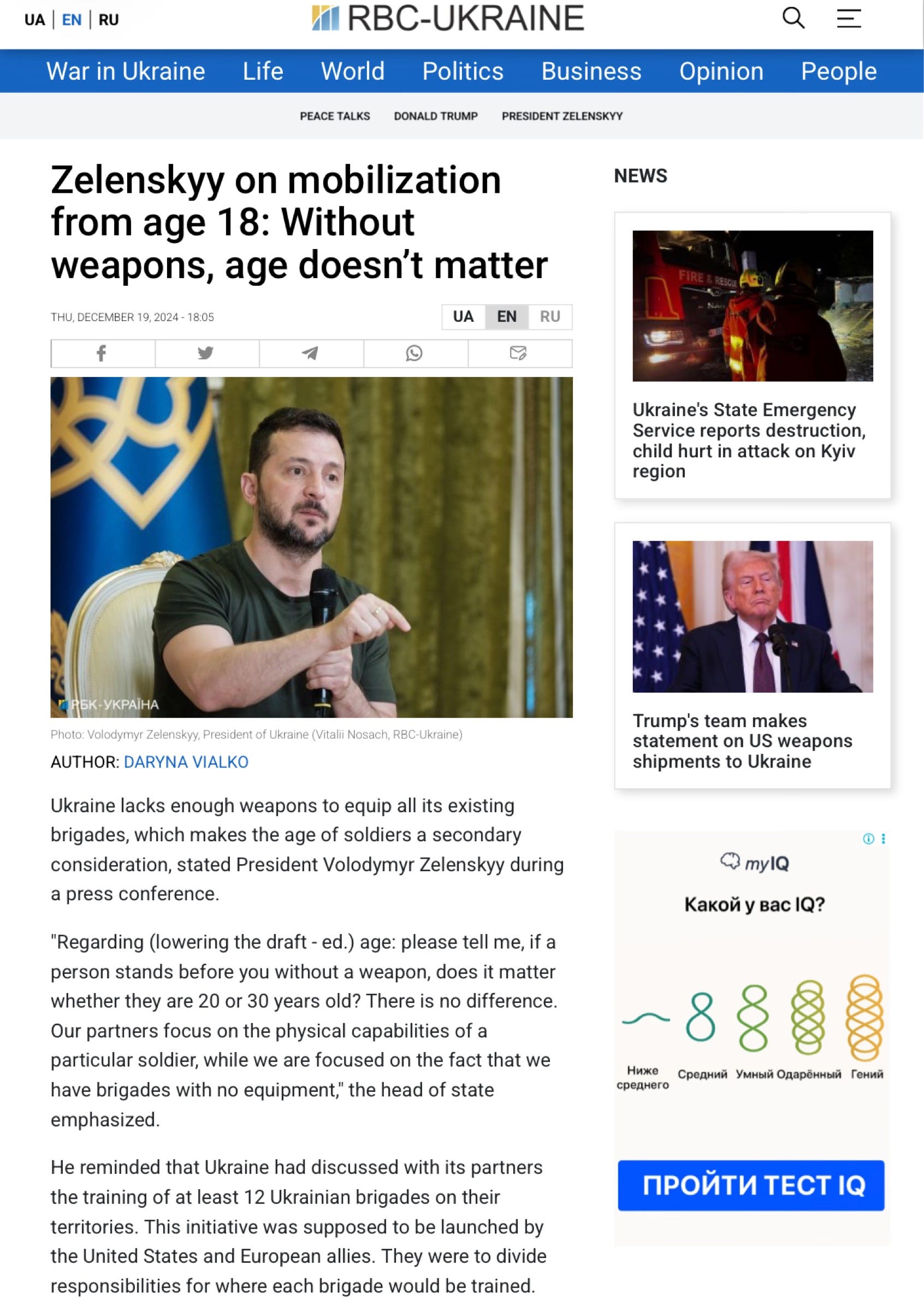
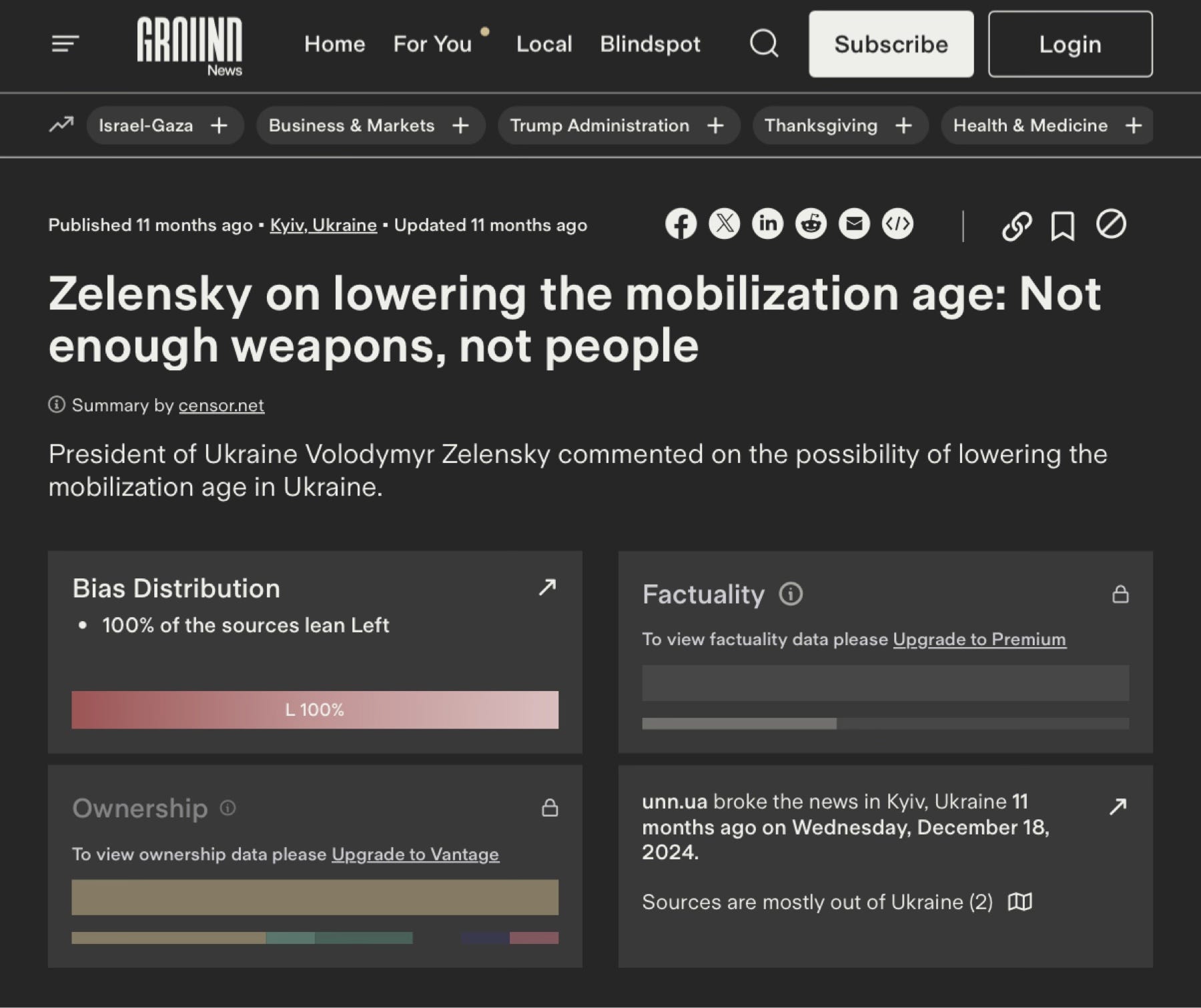
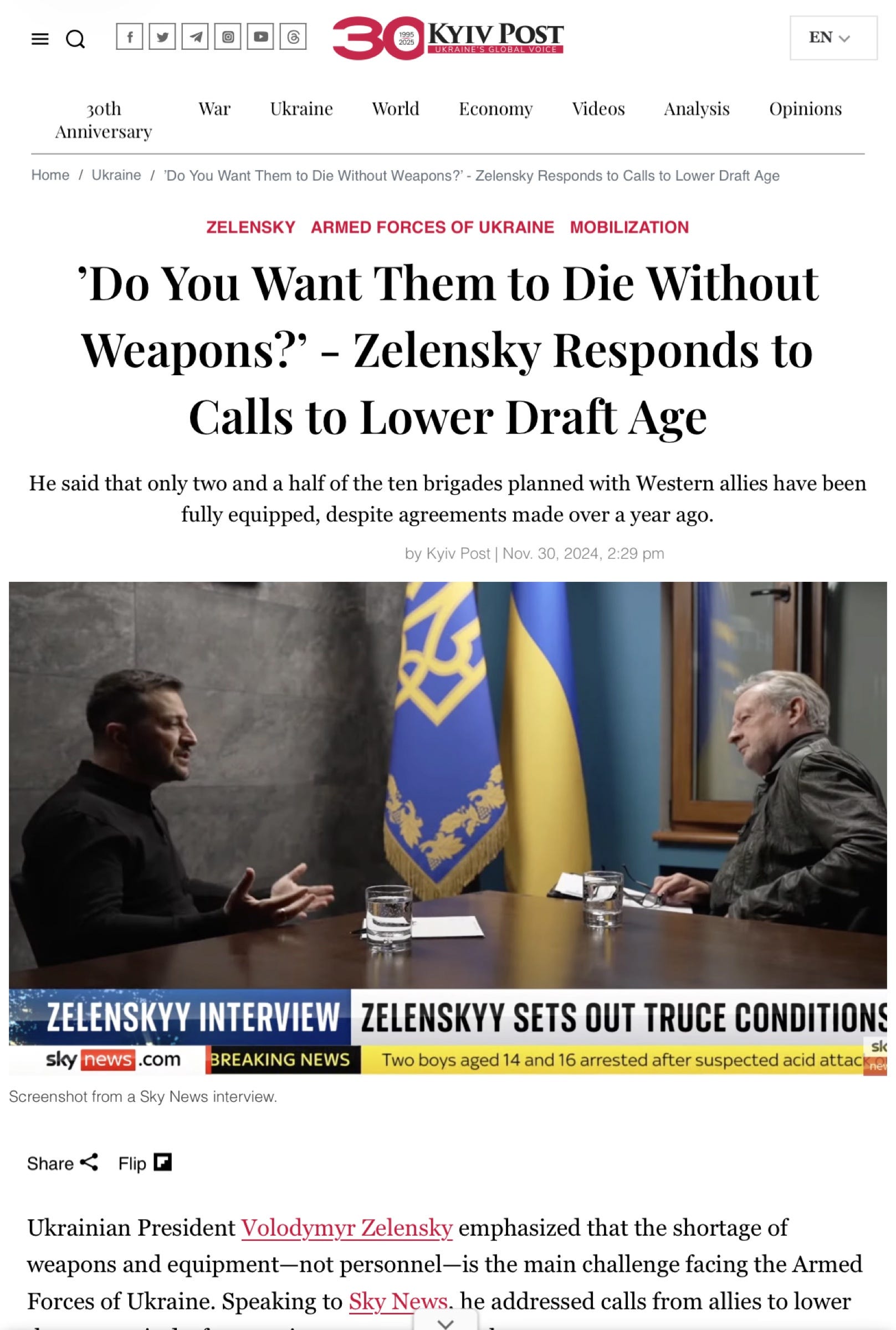
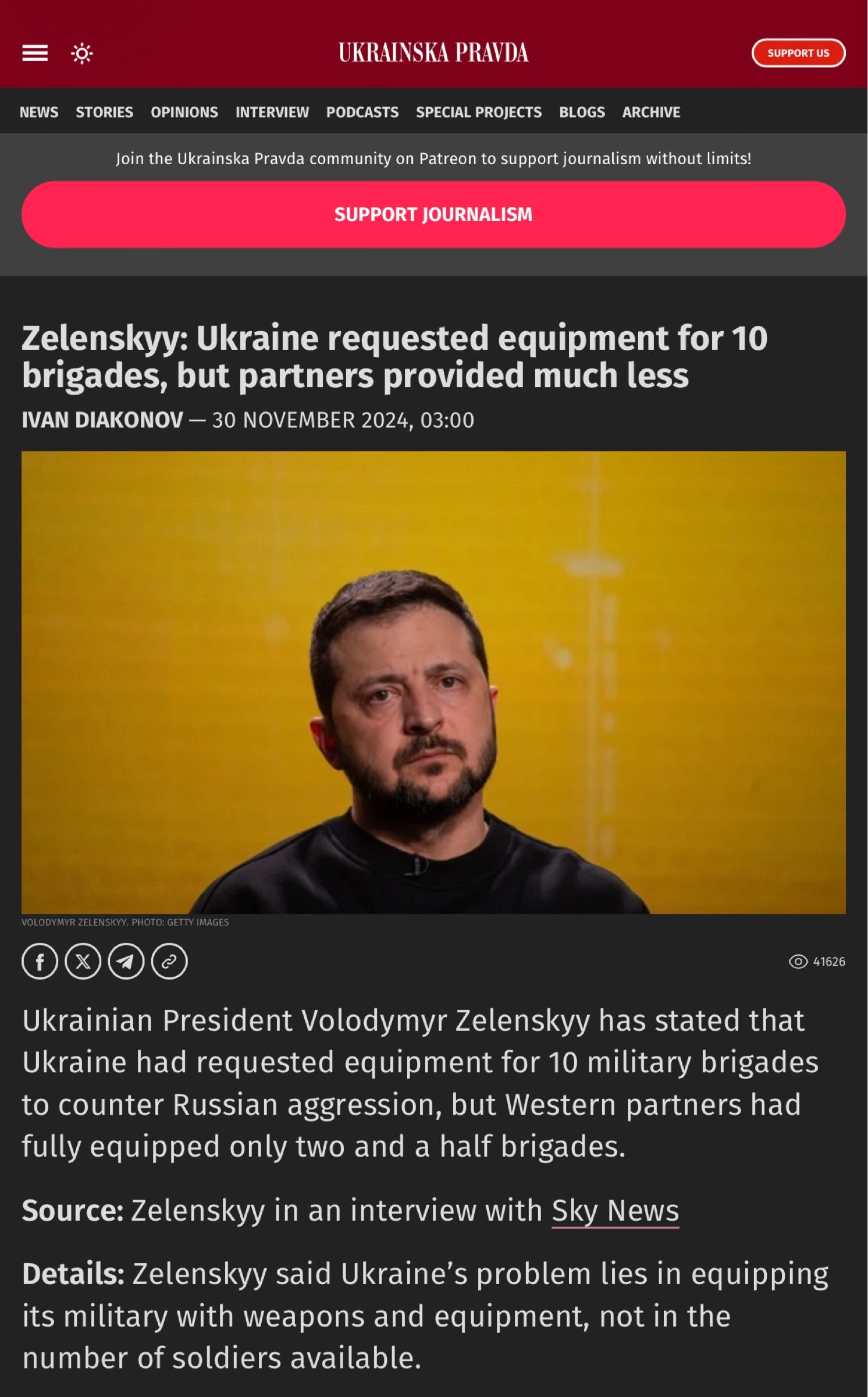
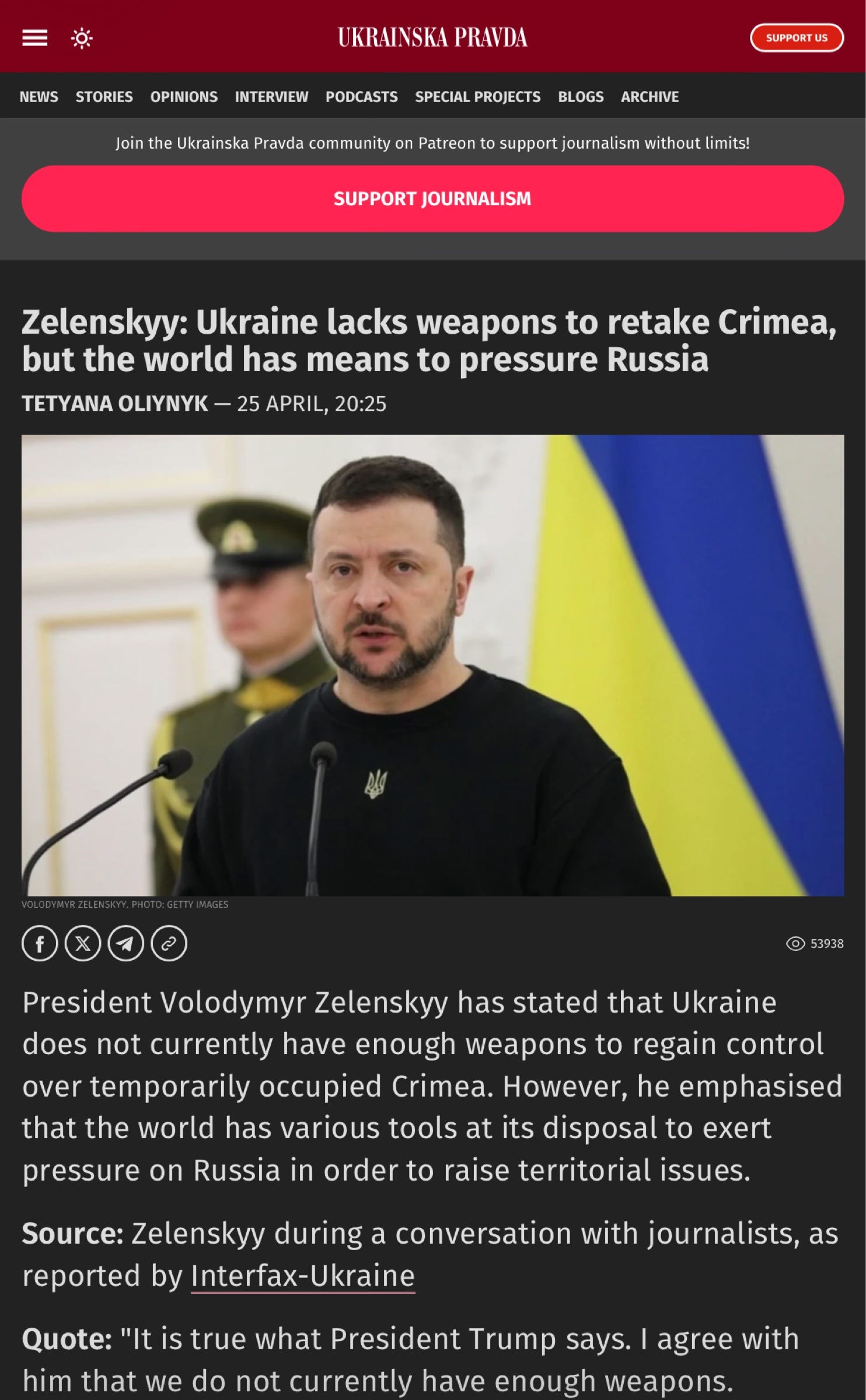
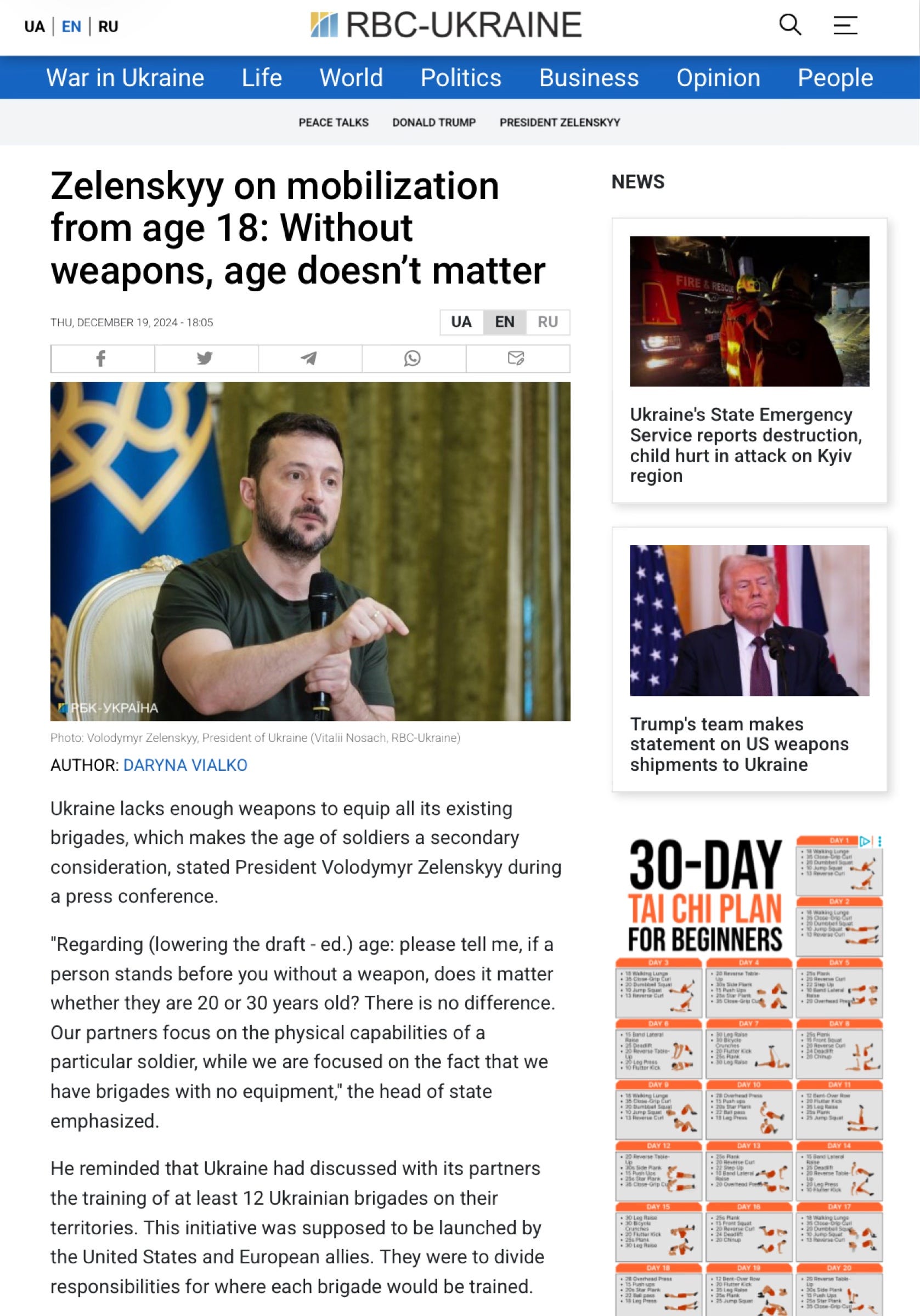
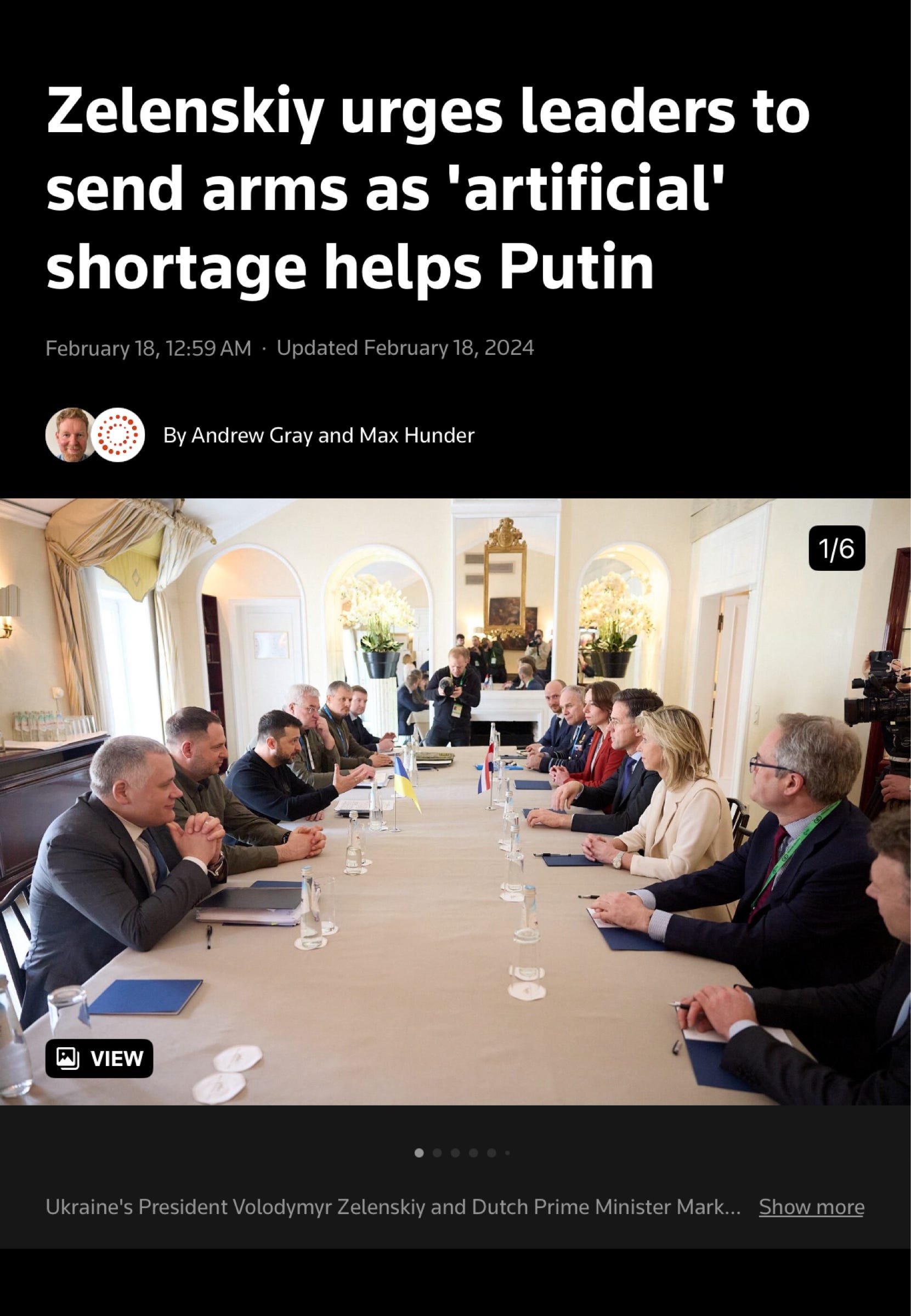
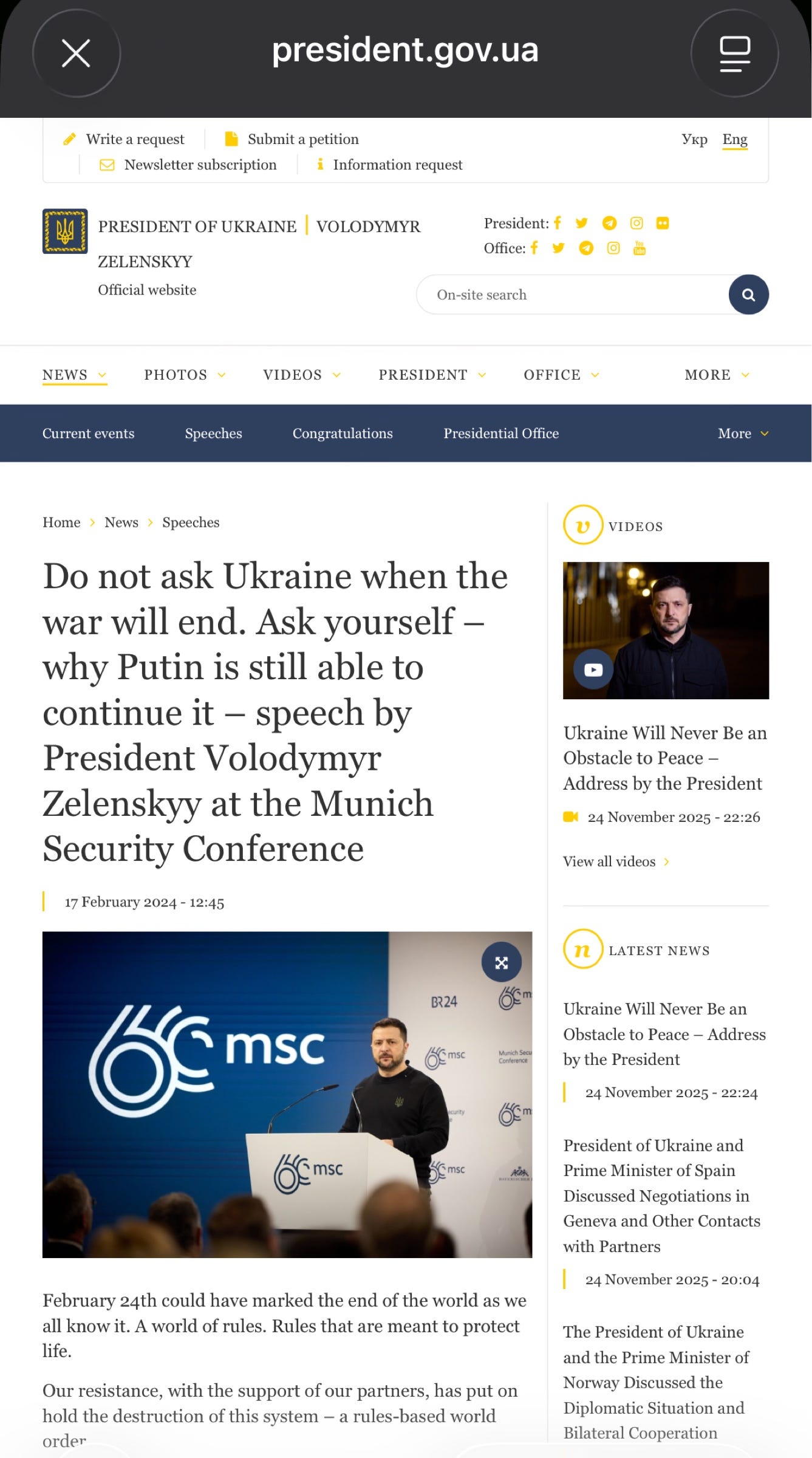
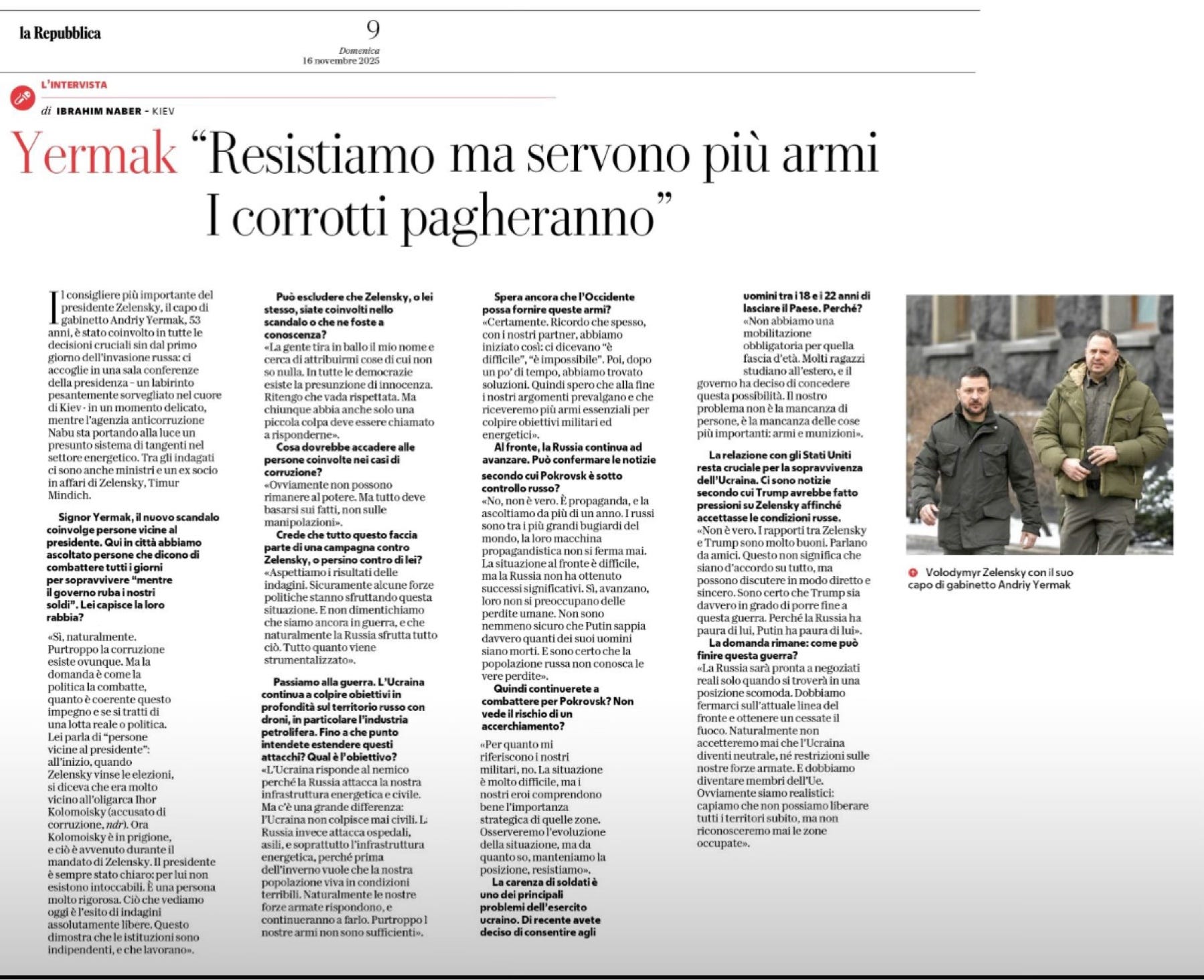

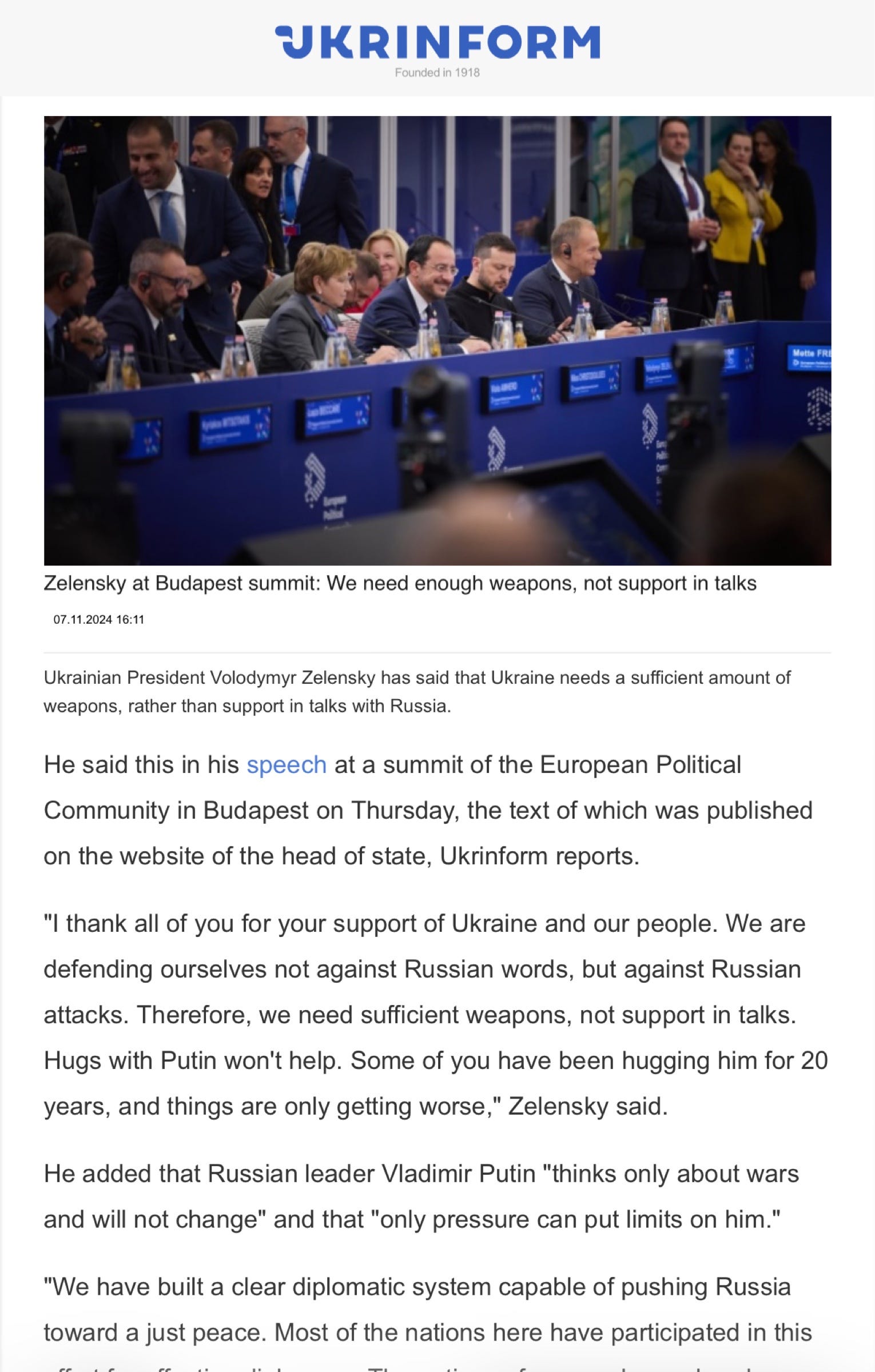

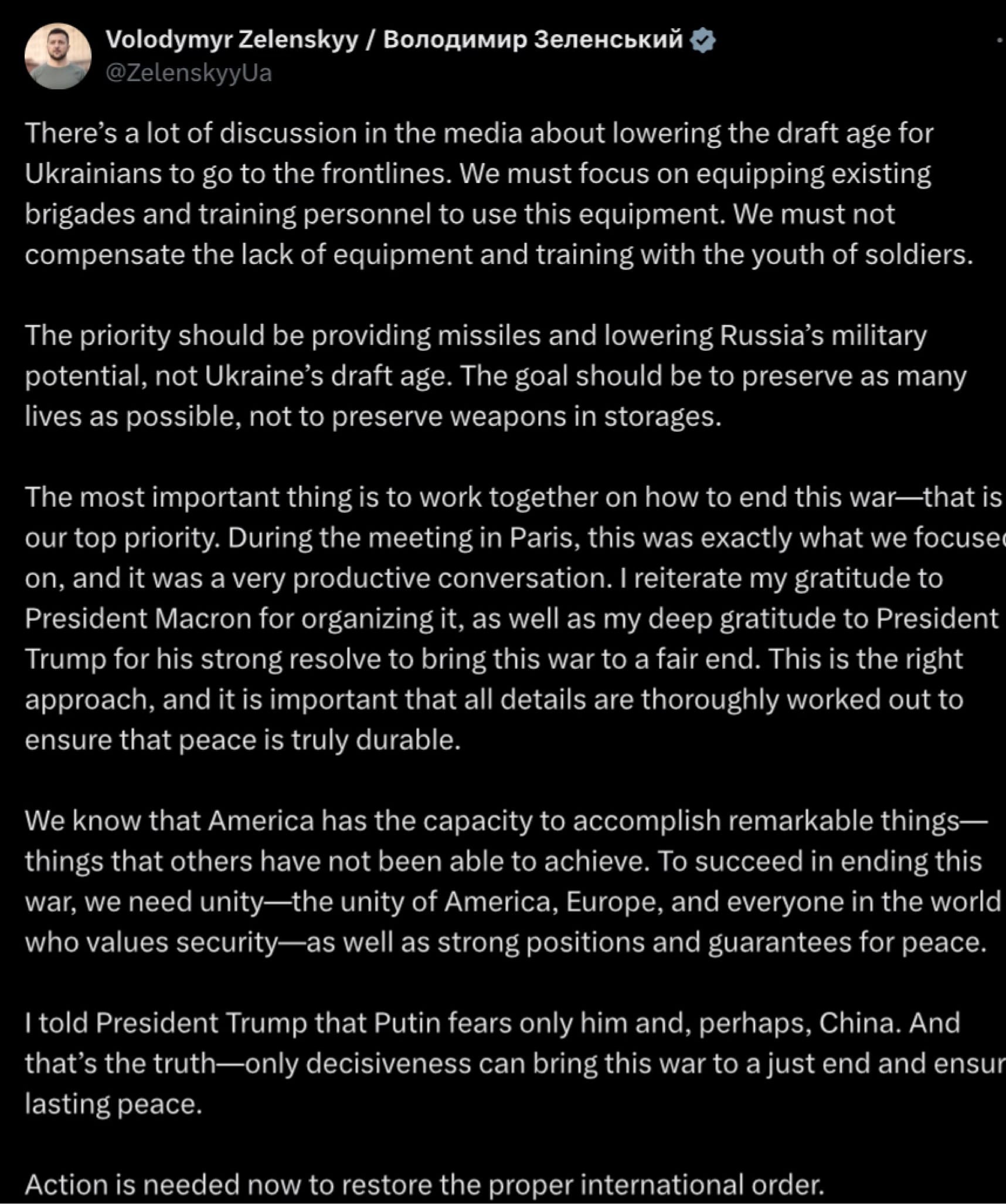
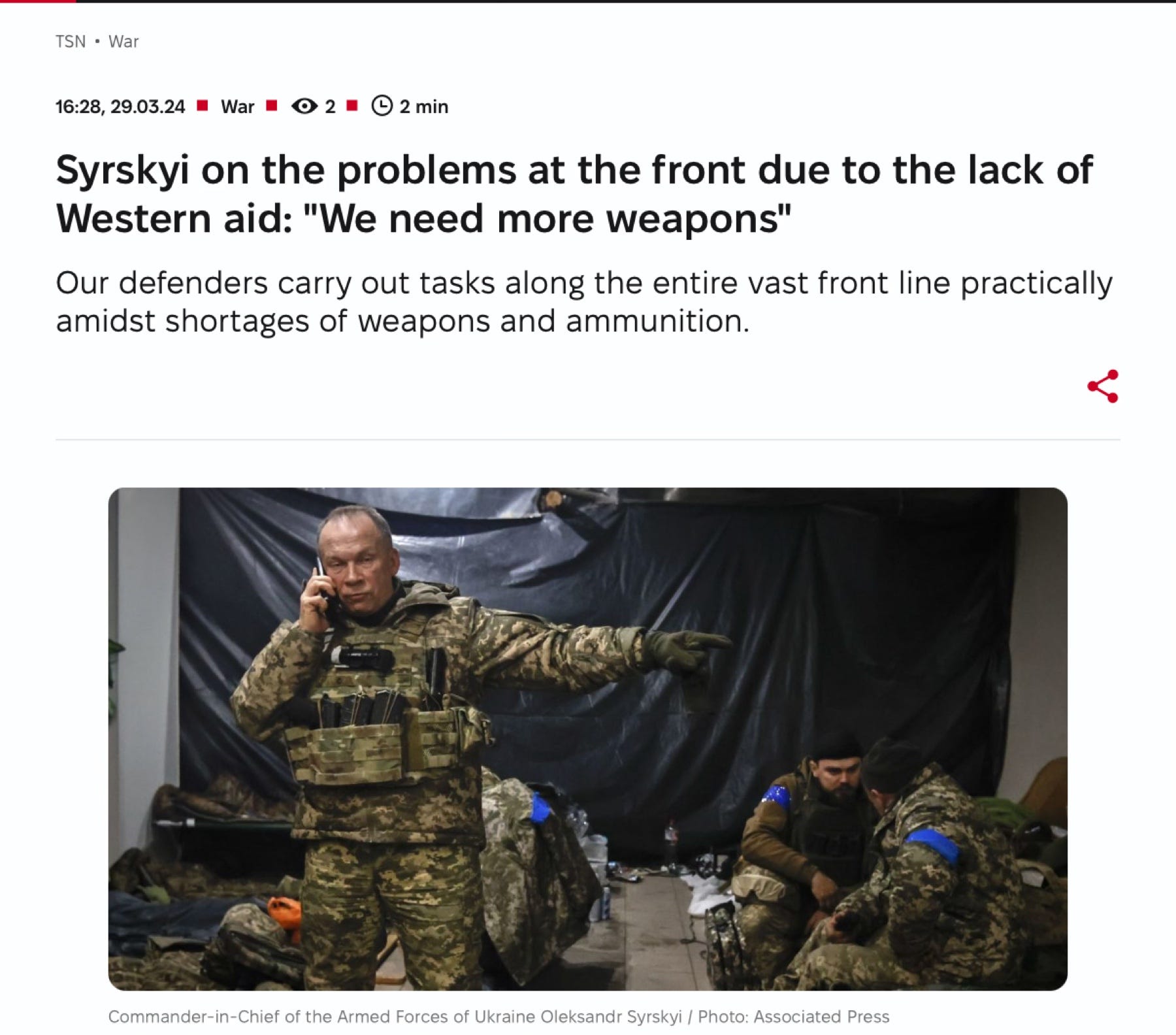
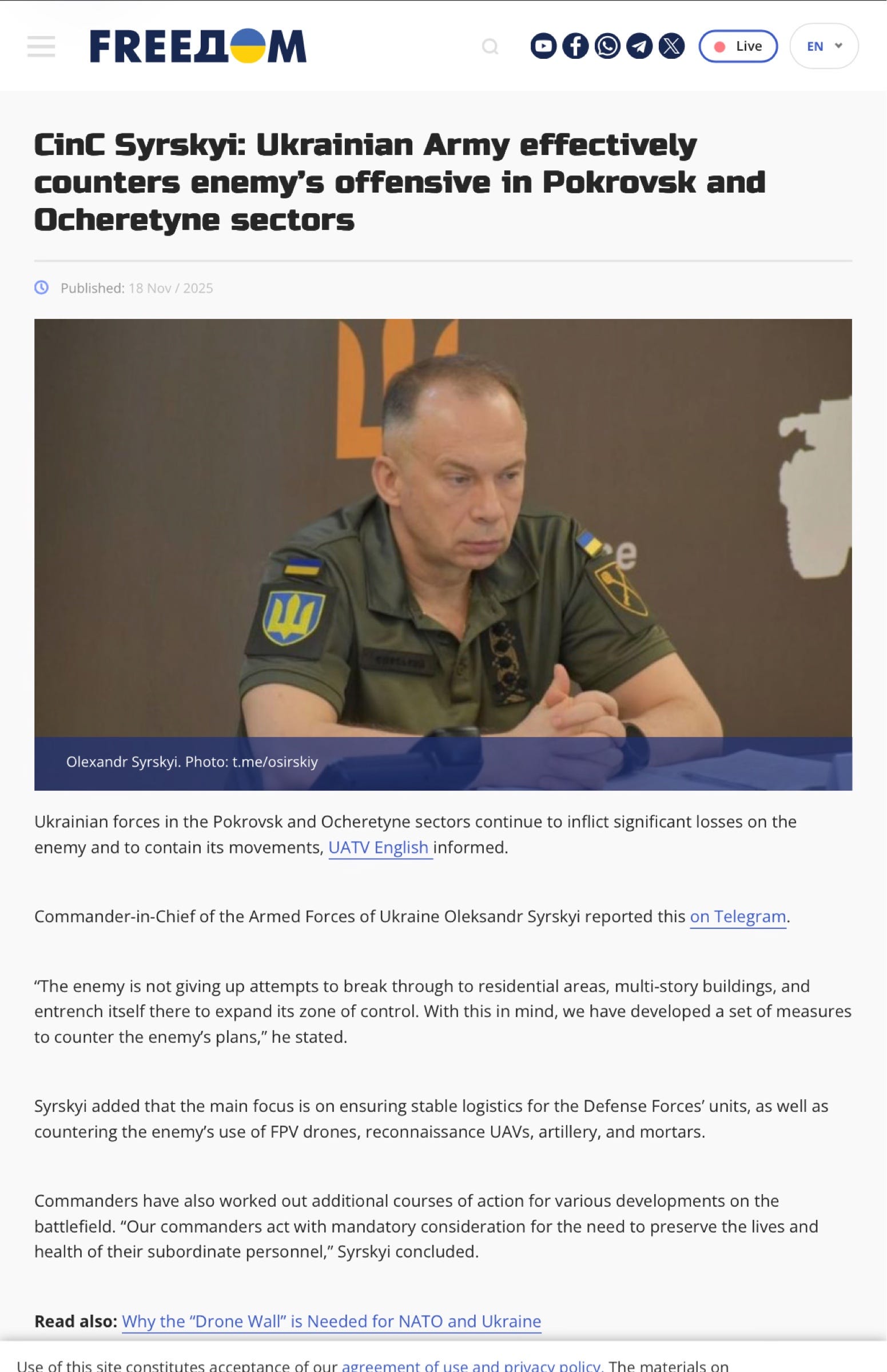
It is our duty from the field especially now that hostile forces are also pushing on the media front, inviting European governments to wash their hands of the matter to limit the problem to Kyiv (and consequently advising to extend its mobilization to the 18–24 age group) and attributing to the President of Ukraine – leader of its Resistance – and the Commander-in-Chief of its Armed Forces with blame and insults that should instead be directed at those who attack, invade, and threaten it from every possible front.
It is clear that a militarily strong Ukraine would also have a better chance at the negotiating table. Those who wish the best for Ukraine, that is, for Europe, should remember this.
THANKS TO ALL WHO BACK US IN THESE HARD TIMES
感謝所有在這些困難時期支持我們的人
幫助我們購買無人機探測器
在過去三年裏,作為自由撰稿人,我們一直在烏克蘭戰爭的所有前線進行報道,自從大規模……
https://www.paypal.com/pools/c/9kcYJAqQqQ
烏克蘭急需武器
作者:Giorgio Provinciali
烏克蘭前線報道
波克羅夫斯克地區——整個周末,俄軍後方的炮火如此猛烈,以至於我們最終躲進了一個墓地壕溝。當時,俄軍首先攻占了我們與第28旅第2機械化營士兵所在的陣地,然後又攻陷了我們與第95旅士兵轉移後的陣地。目睹我們周圍的幾個小型掩體被炸毀,我們立刻跳進了這個偏僻村莊墓地裏,為安放新棺材而挖的長壕溝。或者說,並非完全如此,最終,我們在那些十字架間撿回了一條命。
(圖:從墳墓中舉起第28旅第2機械化營的旗幟——版權所有,Giorgio Provinciali)
反炮兵火力的問題——更普遍而言,烏克蘭軍隊長期麵臨的步兵和常規彈藥嚴重短缺的問題,至今仍是最嚴峻的。尤其是在這些秋日漸短的時節,濃霧和初雪使得能見度大受影響。烏克蘭武裝部隊通信部門證實了我們實地獲得的信息,並提供了有力的證據:自2025年初以來,俄軍平均每天發射約27,000發炮彈,而烏方僅為15,000發。得益於朝鮮等夥伴的巨大貢獻,後者向莫斯科提供了數百萬發炮彈——俄軍在此領域的火力優勢已達80%。甚至與戰爭的早期階段相比,這一差距還縮小了。
事實上,2022年下半年,麵對俄軍每天2萬次的炮擊(在頓巴斯的數量甚至更高),烏軍的回擊僅為4,000至7,000次。2023年前六個月,俄軍的日均炮火達到6萬發,而烏軍被迫維持極低的火力:正如我們在戰地報道中指出,有時基輔發射量隻是俄軍的十分之一。到2024年8月,這一差距縮小到3:1,俄軍每天發射4.4萬發,而烏軍仍維持慣常的1.5萬發。
(圖:我在一次俄軍襲擊後。現在烏克蘭所有東部地區都在下雪——版權所有,Giorgio Provinciali)
持續多年的屠殺——期間烏克蘭盟友未能提供與俄軍所獲供應相當的援助——已使局勢變得危急。
為了彌補常規武器的短缺,烏克蘭依賴於無人機。然而,盡管其無人機在技術和數量上優於俄方(中國製造)無人機,但它們在夜間會失效。在這些有利於破壞者和突襲者的條件下,俄軍最近成功地將其浮橋和車輛向帕夫利夫卡移動,隨後推進到烏斯佩尼夫卡,如今正逼近胡利亞伊波萊。當時,我們曾從東紮波羅熱的同一地區向本報發回報道,並在此過程中,當與烏軍車隊一同行進時,觀察到了FPV無人機的黑屏現象。
如果我們再加上缺乏中程和遠程係統的短程武器,就會更清楚地看到西方撤離如何加劇了困擾烏克蘭的核心問題:武器。烏克蘭總參謀部證實,僅昨日一天,俄軍就對該地區及其後方進行了42次空襲,投擲了101枚精確製導航空炸彈。若加上沿前線的其他突襲,這導致了162次突破嚐試。
自2022年以來,俄軍已投擲了33,000枚炸彈,每枚重250至3,000公斤不等。根據戰略與國際研究中心(CSIS)的數據,僅在戰爭的頭兩年,俄軍就發射了超過11,000枚彈道導彈和巡航導彈。另一方麵,高爆無人機數量則穩定在每晚接近五百架。烏克蘭在這方麵的統計數據則明顯低得多,彈道導彈甚至為零。
(圖:戰略與國際研究中心(CSIS)的這張圖表戲劇性地說明了當前局勢——數據和圖表由戰略與國際研究中心(CSIS)提供)
當然,其他問題也層出不窮。例如,嘩變影響著烏克蘭——自2022年以來,烏克蘭已立案約30萬起擅離職守或逃兵案例——以及俄羅斯,其相關統計數據在瓦格納叛亂後被壓製。然而,雙方每月征兵人數均穩定在30,000人左右。正如烏克蘭總參謀部和總統辦公室反複重申的(最新聲明就在幾天前發布),鑒於這些數字,很明顯,在經曆了四年全麵戰爭之後,兵力短缺並非烏克蘭麵臨的主要問題。杜普伊研究所和國際戰略研究所的分析一致表明,烏克蘭目前在陸海空三軍共部署約575,000名部隊(不包括國土防禦部和國民警衛隊),而俄羅斯在烏克蘭部署的部隊為450,000名(若計入支援部隊則為594,000名)。這種比例從前線來看是顯而易見的,我們有責任提醒烏克蘭的盟友,他們能夠——也必須——通過提供烏克蘭真正需要的東西:武器,來縮小與俄羅斯的差距。
我們有責任從前線發聲,尤其是在當前敵對勢力也在媒體戰線上施壓,鼓動歐洲各國政府自此袖手旁觀,將問題拋給基輔自己(並因此建議將其動員年齡擴大到18-24歲),並將本應指向那些從各方麵攻擊、入侵和威脅烏克蘭的敵人的指責和侮辱,歸咎於烏克蘭總統——其抵抗運動的領導人——以及其武裝部隊總司令。
很明顯,一個軍事強大的烏克蘭,在談判桌上也會擁有更好的機會。那些希望烏克蘭好,也就是希望歐洲好的人,應該記住這一點。
WENXUECITY.COM does not represent or guarantee the truthfulness, accuracy, or reliability of any of communications posted by other users.
Copyright ©1998-2025 wenxuecity.com All rights reserved. Privacy Statement & Terms of Use & User Privacy Protection Policy
